The Michigan Department of Health & Human Services (MDHHS) has issued cooking advisories for certain foods amidst a Cyclosporiasis outbreak, which is a parasitic illness known for causing severe diarrhea. Michigan is experiencing a steep rise in Cyclosporiasis cases, with 2,640 cases reported as of July 13, a significant increase from the usual average of 50 cases per year.
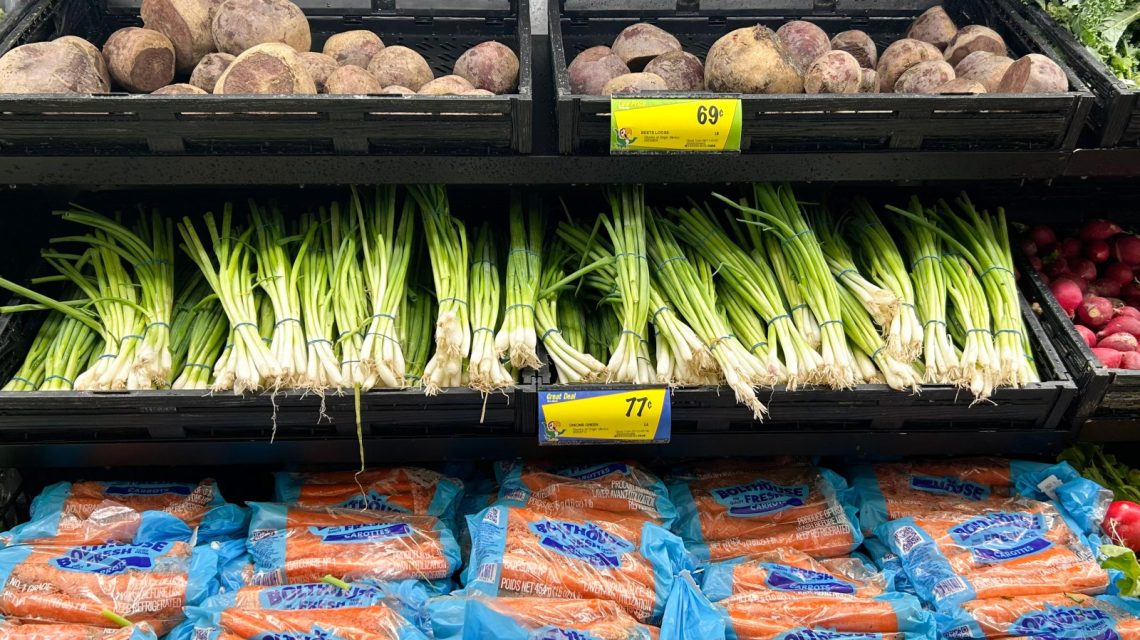
The MDHHS recommends that specific foods be cooked, especially for those involved in food preparation in restaurants and commercial kitchens. The types of food identified include leafy greens, cilantro, basil, green onions, snow peas, and raspberries. Thorough washing of these foods is advised.
Raspberries, in particular, should be considered for cooking into jams and pies, as they are challenging to clean due to their bumpy surface, where parasites can hide.
Additional preparation tips include purchasing whole lettuce rather than bagged or prewashed options, and discarding two to three outer layers before cleaning the inner leaves. Green onions should have roots trimmed and the outer layer removed.
Ynés Ortega, an associate professor in the Department of Food Science and Technology at the University of Georgia, highlighted that past outbreaks have been linked to berries and vegetables, including herbs and leafy greens. Consumers are advised to wash produce thoroughly and prevent cross-contamination between cooked foods and raw items.
No single food source has been identified yet for this outbreak. Newsweek reached out to the Centers for Disease Control and Prevention (CDC) for additional comments.
Cyclosporiasis Case Counts
Several states report elevated case counts:
- Michigan: Over 2,500 cases
- New York: 394 cases
- Ohio: 364 cases
- North Carolina: 205 cases
- Illinois: 141 cases
- Texas: 48 cases
The CDC reported on July 10 that since May 1, 2026, it has logged 843 confirmed domestic cases while acknowledging more than 1,500 cases that need further examination. Disparities between state-level data and national surveillance exist, and efforts are ongoing to reconcile these differences with additional case confirmations.
Ortega explained that Cyclospora regularly causes gastrointestinal illness in the U.S., and this year has seen extensive cases that health departments, CDC, and FDA are investigating to identify infection sources.
Symptoms of Cyclosporiasis
Symptoms generally appear about one week after consuming contaminated food or water, though it can vary from two days to two weeks. Symptoms include:
- Severe, watery, and frequent diarrhea
- Intense stomach cramps and bloating
- Nausea and loss of appetite
- Prolonged fatigue and weight loss
Health authorities encourage anyone with prolonged gastrointestinal symptoms to seek medical care and request testing specifically for the parasite.
 Understanding Inflammation: Myths and Facts
  Calm Parenting: Strategies to Manage Stress
  Trump’s Executive Order to Combat Mosquitoes and Ticks in D.C.
  Overcoming Weight Loss Challenges: Brain Health and GLP-1 Medications
  Supporting Children’s Mental Health at Home: Practical Steps for Parents
  Abdul El-Sayed’s Strategy to Attract Health-Conscious Voters in Michigan