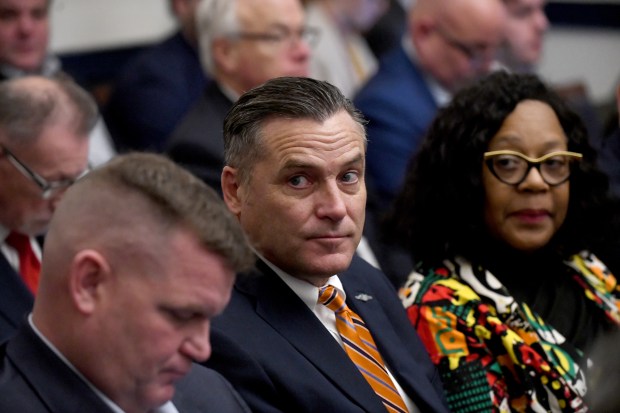
Jim Tinaglia, the mayor of Arlington Heights and an architect by profession, is actively involved in the plan to construct a stadium for the Chicago Bears in Arlington Heights. Tinaglia expressed concerns about the alternative site in Hammond, Indiana, due to potential environmental issues. Speaking to the Tribune, he emphasized his experience with sites containing hazardous materials and flagged the Hammond location as problematic.
Concerns About the Hammond Site
The site near Wolf Lake in Hammond has a controversial past. Previously, residents demanded cleanup due to industrial waste. A golf course now sits on a mound of slag, which is waste from steel production. This area also uses treated human waste for soil. The site’s proximity to hazardous waste locations, an oil storage complex, and a large oil refinery raises questions about its suitability for a stadium.
While Bears officials refrain from commenting, they have conducted soil tests and continue to assess the land’s viability. Despite the site’s industrial history, it remains under consideration for a stadium complex.
Financial and Legislative Debates
Indiana lawmakers approved a $1 billion budget, with the team contributing $2 billion, for a proposed enclosed stadium in Hammond. Its advantage is its location, about 30 minutes from downtown Chicago. Illinois legislators may soon decide whether to offer property tax breaks for such projects, including the Bears’ potential move.
The Bears require the state to cover approximately $855 million in infrastructure costs for the Arlington International Racecourse site.
Environmental and Community Perspectives
Environmental groups have not actively opposed the Hammond plan, although some prefer the location over Gary, which could affect Indiana Dunes National Park. The Association for the Wolf Lake Initiative argues the stadium doesn’t align with preserving the local watershed.
Hammond Mayor Thomas McDermott Jr. defends the site, citing environmental improvements and emphasizing that the Bears are well-informed, having invested significant funds in environmental assessments.
Environmental Cleanup Efforts
The federal EPA is involved in addressing contamination in the region. This includes the former Federated Metals facility, known for lead and arsenic levels. The agency is executing a partial cleanup and evaluating remaining contamination. Cleanup efforts also extend to the Grand Calumet River, which is heavily industrialized and polluted.
The BP Whiting refinery, a major factor in the area’s industrial landscape, poses environmental challenges yet lies at a distance from the proposed stadium site.
Despite these concerns, McDermott highlights the area’s recreational aspects, describing it as a diverse space combining industry with leisure opportunities like fishing, biking, and concerts near Wolf Lake.
Illinois Governor JB Pritzker anticipates legislative actions soon that may encourage the Bears’ relocation to Arlington Heights before the legislative session ends in May.
 Cargo Plane Crash at Miami International Airport
  Nick Saban’s Comments on ESPN Spark Debate Over College Sports Regulations
  Marine Veteran Suing Oregon School District Over Curriculum Reimbursement
  Freddy’s American Adventure: From Soccer to College Football
  Tennessee Execution Halted as Issues Persist with Lethal Injection Protocol
  Brock Purdy’s Impressive Start in the 2026 NFL Season