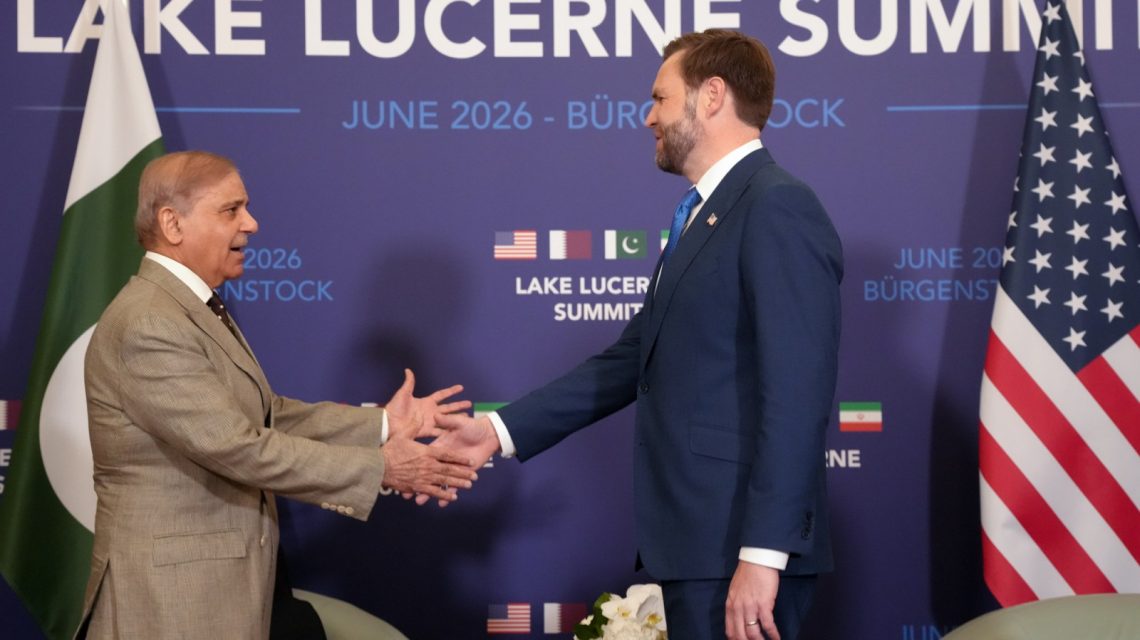
For years, Republicans criticized former President Barack Obama’s 2015 Iran nuclear deal as a poor trade-off. They believed it provided sanctions relief in exchange for insufficient and temporary concessions from Iran. Now, as President Donald Trump negotiates a new agreement with Iran, these criticisms re-emerge, this time aimed at a Republican president’s proposal.
Trump’s current memorandum of understanding (MOU) is still under negotiation. Key details are being finalized over the next two months, which means the final outcome and its comparison to Obama’s Joint Comprehensive Plan of Action (JCPOA) remain unclear. On Monday, Trump assured that the final deal to end the ongoing Iran conflict would include comprehensive inspections. He stated on Truth Social: “Everyone knows Iran will allow major weapons inspections to ensure ‘Nuclear Honesty’ well into the future.”
The Trump administration highlights ongoing negotiations. A senior U.S. diplomat told Newsweek that discussions are vigorous, covering nuclear issues, the Strait of Hormuz, and tensions with Hezbollah in Lebanon. Officials characterize the current framework as the beginning of detailed talks, not a complete settlement.
Despite this, early political reactions are evident. On matters of sanctions relief, inspections, uranium enrichment, and congressional approval, Republicans are expressing concerns similar to their past critiques of the Obama deal. White House spokeswoman Olivia Wales responded to these concerns. She told Newsweek that Trump and his team have crafted a strong, performance-based MOU. This agreement, according to Wales, serves U.S. interests by ending hostilities, reopening the Strait of Hormuz to stabilize energy prices, and forcing Iran to abandon its nuclear goals.
Familiar Objections
When Obama introduced the JCPOA in 2015, he claimed it would block Iran’s nuclear weapon path with strict verification. Republicans rejected this claim, arguing:
- Iran gained excessive sanctions relief early.
- Nuclear limits were temporary.
- The deal didn’t dismantle Iran’s nuclear program entirely.
- It lacked binding congressional approval.
These concerns now shape reactions to Trump’s interim framework. Republicans also argued that the JCPOA focused narrowly on nuclear issues, overlooking Iran’s missile program and regional activities. This critique is also part of the current discourse.
Cotton Then, Now
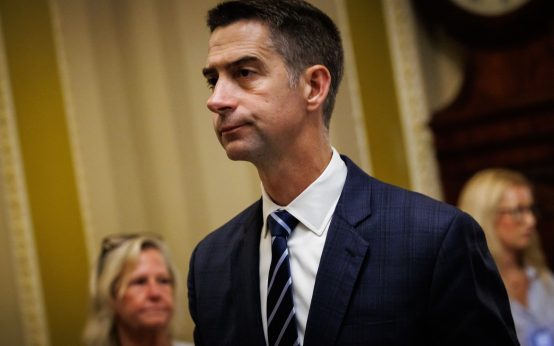
Senator Tom Cotton was a prominent JCPOA critic, warning it could be overturned without congressional approval and labeling it a strategic blunder. After Trump’s 2016 election, Cotton’s tone cooled but his concerns remain. On Fox News last week, he called some aspects of Trump’s deal “a step in the wrong direction” and emphasized maintaining U.S. leverage.
Cruz and Graham
Senator Ted Cruz criticized the Obama deal as “catastrophic,” claiming it empowered Iran. Regarding Trump’s framework, Cruz uses different language but maintains a similar core argument. He told The Hill that history shows providing large financial benefits to hostile regimes is unwise.
Senator Lindsey Graham labeled the JCPOA as “terrible” for empowering Iran without eliminating nuclear threats. After Trump’s framework release, he called it worth trying but uncertain. “Let’s try diplomacy,” Graham said on CBS News’ Face the Nation, “I think it’s going to fail. What happens next?”
More GOP Voices
Other Republicans echo these concerns. Senator Roger Wicker of Mississippi criticized Trump’s framework for potentially undermining Operation Epic Fury’s accomplishments. Senator James Lankford of Oklahoma insisted any durable agreement should pass Congress. He said on NBC News’ Meet the Press that JCPOA “opened a pathway towards a nuclear weapon” and only delayed it beyond Obama’s term.
Throughout the GOP, familiar requirements are evident:
- No early sanctions relief.
- Strong, verifiable inspections.
- Limits on enrichment.
- Congressional-backed agreement.
Trump vs. Obama
Trump frequently critiques the JCPOA, stating it was like delivering a nuclear weapon to Iran. He told NBC News it was a “horrible deal” orchestrated by Obama. In April, Trump wrote on Truth Social, “If I did not terminate that ‘Deal,’ Nuclear Weapons would have been used on Israel, and all over the Middle East, including our cherished U.S. Military Bases.”
Obama, in contrast, sees little difference in potential new agreements. He told ABC News the U.S. may spend more to reach similar outcomes after leaving the JCPOA.
Contact Newsweek editor on this story: Anthony Murray.
 Sen. Cotton Opposes Permanent Daylight Saving Time
  Steve Hilton’s Latino Outreach and Gubernatorial Ambitions
  The Need for Reform in Presidential Nominations
  Controversy Surrounds Performances at Gillette Stadium
  Celebrity Controversies Over Political Activism and Speech
  Trump Pushes for Permanent Daylight Saving Time, Sharing Senator’s Contact Information