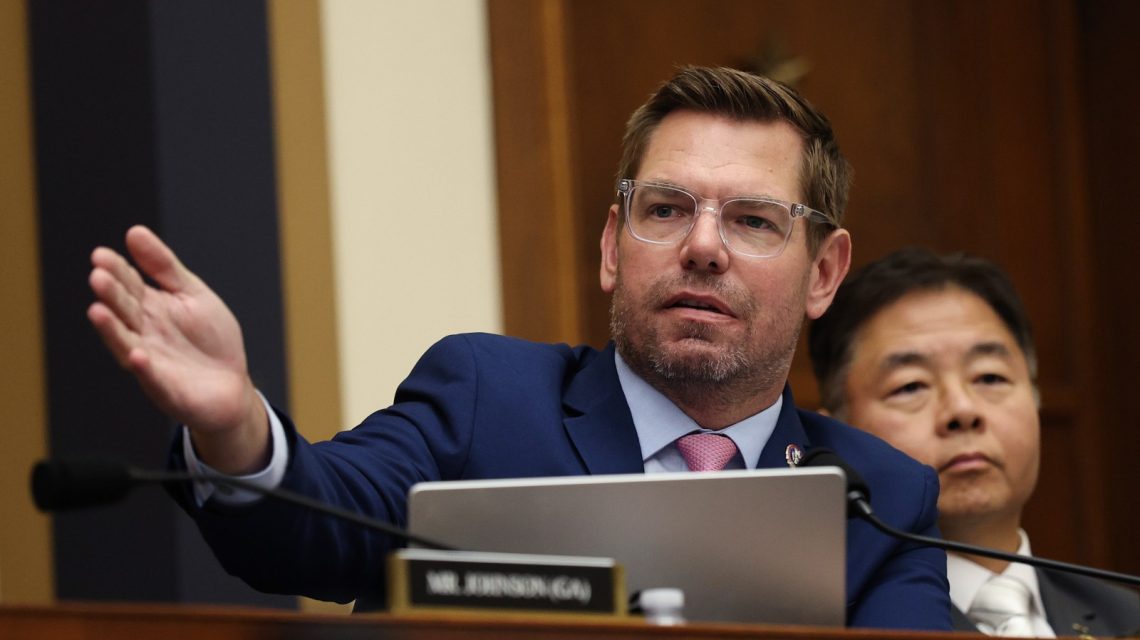
Newly declassified FBI records shed light on the close relationship between a suspected Chinese spy and former California Representative Eric Swalwell. The records reveal a broader effort by Beijing to exert political influence across the U.S.
Swalwell’s Ties with a Suspected Spy
In a 2015 interview with the FBI, Swalwell admitted to having “physical relations” with Christine Fang, a suspected spy also known as Fang Fang. Fang volunteered for Swalwell’s campaign without payment. This information came from documents released by the White House Government Transparency Task Force.
China’s Continued Espionage Techniques
U.S. intelligence officials describe China’s espionage approach as both sophisticated and diverse. It ranges from using balloons to employing malware. Fang’s case demonstrates the enduring use of sex, money, and power as espionage tools.
The FBI found no evidence that Fang obtained classified information from Swalwell. However, the U.S. intelligence community recognizes a pattern of Chinese influence attempts at grassroots levels, aiming for long-term dividends.
Political Influence at the Local Level
Fang enrolled at a Bay Area university in 2011, participating in local politics through groups supporting Asian American interests. She became active in political fundraising efforts, including those for Swalwell, who was then a councilman.
Fang was later involved in an FBI counterintelligence operation known as “Freshman Fifteen” after being recruited under the code name “Rusty Thumbs.” Authorities suspected she was the offspring of Chinese intelligence officers and initially considered her for a double agent role. However, they later believed she was involved in illegal political contributions on China’s behalf.
Swalwell’s Congressional Tenure and Controversies
Swalwell entered Congress in 2013. Although he was cleared of all suspicions by the FBI and the House Ethics Committee, the case continued to affect him after its public revelation in 2020.
In April, Swalwell ended his gubernatorial campaign and left Congress following allegations of sexual misconduct, which he disputes. A special election held on June 16 for his vacant seat did not yield a decisive winner. A runoff is scheduled for August 18.
China’s Subnational Influence Strategy
Swalwell, who began his Congressional run at 30, was a target of Beijing’s strategy to influence rising politicians. China aims to cultivate allies or valuable assets within U.S. politics over time.
Experts note that Western countries with separate powers are vulnerable to China’s grassroots influence strategy. Unlike lobbying, this activity is unregistered and deliberately unclear. Despite low returns, China’s espionage efforts span political levels and remain just one facet of its broader initiatives.
The Complexity of Influencing Democracies
The pluralistic nature of American society means individuals sympathetic to China act independently, complicating ascriptions of their actions to state-led efforts.
Investigations have, at times, linked substantial U.S. political donations to organizations with Chinese Communist Party affiliations, yet concrete illegality often remains elusive.
Potential foreign influence is evident beyond the U.S. In the UK, political interference and donations to aspiring politicians have been traced back to Chinese interests.
Moreover, Chinese business figures have sometimes been barred from entering foreign countries due to attempts to foster connections with influential personalities.
Cautions for Public Perception
U.S. intelligence advises against blanket suspicion of Chinese Americans, who may themselves be targets of China’s influence tactics or transnational repression.
China exploits this ambiguity by potentially creating discord in democratic societies or operating covertly within Western political systems. The high burden of proof required for prosecution in democratic states often complicates counteractions.
Recently, Swalwell’s attorneys cautioned the FBI against releasing the Fang Fang records, fearing they could serve as Republican fodder against Democrats, including Swalwell.
The genuine concern remains about China’s strategic maneuvering within American systems. China’s calculated long-term engagement poses consistent challenges.
 Sen. Cotton Opposes Permanent Daylight Saving Time
 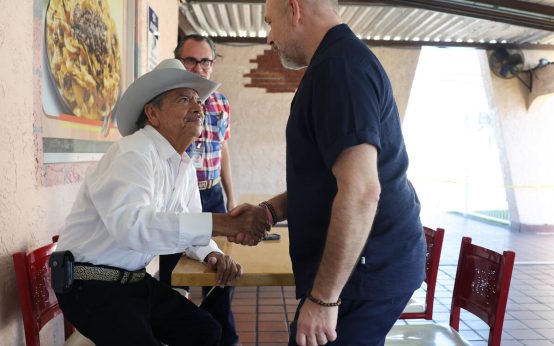 Steve Hilton’s Latino Outreach and Gubernatorial Ambitions
 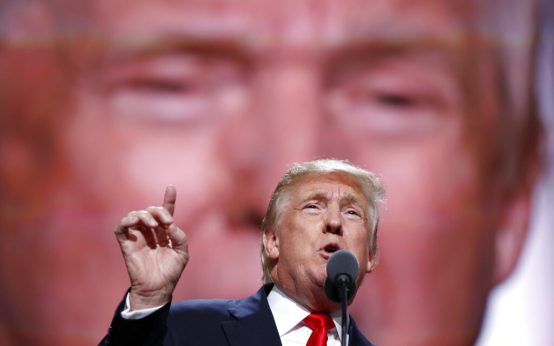 The Need for Reform in Presidential Nominations
  Controversy Surrounds Performances at Gillette Stadium
  Celebrity Controversies Over Political Activism and Speech
  Trump Pushes for Permanent Daylight Saving Time, Sharing Senator’s Contact Information