
Sonia Monet Saxon frequently wakes in the early morning hours to the unmistakable smell of asphalt. Her home in McKinley Park is so near to an asphalt plant that some days, the odor makes it nearly impossible to venture outside. Despite recent wildfires bringing high levels of PM2.5 to Chicago, pollutants have consistently plagued certain communities.
Ahead of the recent smokey skies, Saxon secured an air quality sensor to her home’s railing. This installation is among fifteen or so done over the past few years, aiming to track pollution from the asphalt plant. Saxon expressed her love for the neighborhood but lamented the overwhelming asphalt smell, which sometimes made outdoor activities unbearable.
Chicago utilizes various methods to measure air quality. These range from inexpensive sensors like those Saxon installed, along with the city’s and the University of Illinois Chicago’s network, to more sophisticated regulatory monitors.
Sonia Monet Saxon, a community science organizer with Neighbors for Environmental Justice, installed an air quality monitor at a McKinley Park home recently. UIC professor Serap Erdal mentioned that their Open Air Chicago project is the world’s second-largest air monitoring network after London’s.
Future air monitoring might utilize satellites to fill existing coverage gaps, as some studies propose. However, advocates argue that better tracking alone fails to address pollution causes.
An advocate stated, “Our aim is not to merely know the severity of air pollution but to ensure clean air for everyone.”
Neighbors for Environmental Justice pays particular attention to the MAT Asphalt plant, criticized for its proximity to vital community locations since opening in 2018. Saxon installs PurpleAir sensors in pollution-heavy neighborhoods like McKinley Park. These sensors cost $289 each, showing real-time data online.
These sensors measure PM2.5, which can originate from various sources like factories and vehicles. These fine particles pose health risks. A recently installed sensor displayed PM2.5 levels in acceptable ranges, though prolonged exposure presents risks, especially for sensitive individuals.
Amid record-high PM2.5 due to wildfire smoke, Saxon’s sensor recorded extreme readings. The AirNow website confirmed similar data. Measurements over 300 indicate emergency conditions hazardous to all.
In September, Chicago and UIC completed sensor installations for Open Air Chicago. Solar-powered sensors were strategically placed across the city, prioritizing areas with significant pollution exposure. The sensor network aids in understanding real-time air quality, helping officials identify pollution trends.
Angela Tovar, Chicago’s chief sustainability officer, clarified that the network informs residents rather than enforces regulations. Real-time data enables awareness during pollution events like wildfires.
More air quality data dissemination efforts will soon be available through the Open Air Chicago platform. Moser suggested additional sensors are necessary since city sensors have substantial gaps.
Moser noted that showing community members data from their own areas makes pollution issues more tangible, emphasizing the need for city actions.
MAT Asphalt manager Joe Haughey addressed complaints, asserting the plant abides by emissions laws. Despite claims of unpleasant odors from McKinley Park, Haughey noted tests showing permissible emission levels.
Diesel emission from trucks in industrial corridors constitutes another pollution source. Nearby residents advocate regulatory measures for warehouse developments to reduce diesel pollution.
Baltazar Enriquez and others in Little Village demand improvements to air quality, citing concerns for children’s health.
The city’s regulatory monitors are sophisticated, according to expert Zac Adelman, yet costly, prompting community use of affordable sensors like those from PurpleAir. Regulatory monitors check compliance with federal standards but are limited due to expense.
Frequent issues arise from sensors’ sensitivity to environmental conditions. Satellite tracking of air pollution is a potential solution, filling monitoring gaps.
Though satellites offer continuous coverage, challenges exist, such as retrieving data over water or at night. This technology may complement other monitoring methods but requires careful application.
As Saxon continued monitoring during abnormal air conditions, many Chicagoans felt the effects. Residents of McKinley Park face ongoing challenges linked to asphalt plant-related pollution.
Advocates persist in urging municipal officials to prioritize changes, seeking improvements to longstanding issues.
 Atlantic Ends September Without a Hurricane for First Time Since 1994
  Bobcat Sightings and Conservation Efforts in Illinois
 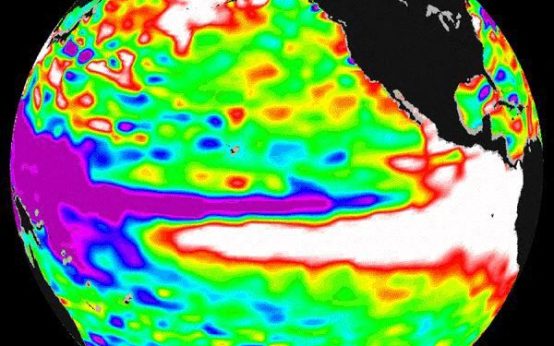 2026 El Niño: A Historical Comparison and Future Projections
  U.S. Records Warmest September in History
  Swiss Glaciers Show Effects of Ice Loss Amid Global Warming
  Climate-Resistant Rock Glaciers: Hidden Water Resources