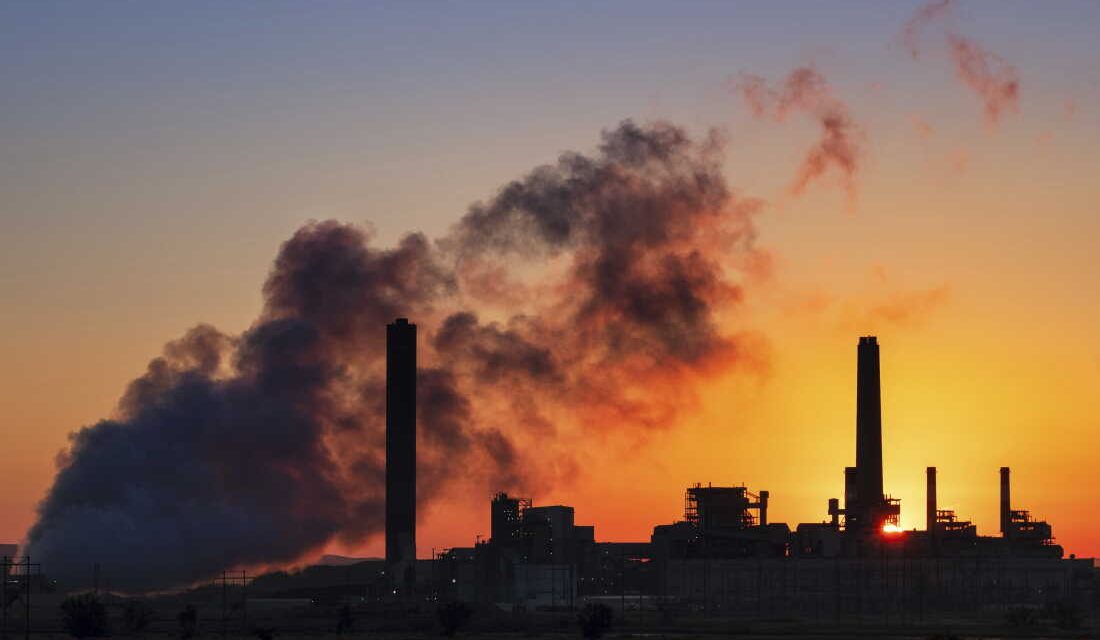
A coal-fired power plant stands silhouetted against the morning sun on July 27, 2018, in Glenrock, Wyoming, where significant regulatory changes have been announced. The Environmental Protection Agency (EPA) declared on Monday the repeal of limits on greenhouse gas emissions from fossil fuel-fired power plants. This move marks a substantial shift in U.S. environmental policy.
EPA Administrator Lee Zeldin described the repeal as the largest deregulatory action in the history of the U.S. power sector. This decision rescinds rules finalized during the Biden administration, intended to mandate significant cuts in carbon dioxide emissions from coal and new natural gas-fired power plants starting in the 2030s. Carbon dioxide emissions from human activities are a leading cause of global warming. Power plants rank as the second largest source of these emissions in the U.S., following the transportation sector.
During a press briefing, Zeldin criticized previous efforts to curb emissions under the Biden and Obama administrations, stating that such measures raised energy costs and hindered the nation’s energy potential. “The days of Biden and Obama working to destroy natural gas and coal are over,” Zeldin expressed, highlighting a policy reversal by the Trump administration.
Despite the push for traditional energy sources, large solar and wind projects offer more cost-effective energy alternatives compared to natural gas and coal. This is supported by analyses from financial services firm Lazard.
“All of them,” Zeldin stated, indicating the EPA’s proposal to rescind all remaining greenhouse gas emission standards for power plants. He delivered these remarks in Houston, coinciding with the G20 Energy Summit in the U.S.
Environmental advocacy groups express concern over the implications of this policy change. “These rules are critical not just for climate protection but also for public health due to the threat of local air pollution,” said Gudrun Thompson, senior attorney at the Southern Environmental Law Center.
The Trump administration has been known for rejecting fundamental climate science, labeling climate change as a “con job,” and making efforts to dismantle the climate agenda set by previous administrations. Environmental groups prepare to challenge this decision legally, seeking to uphold regulations meant to limit greenhouse gas emissions.
Power Plant Regulations and Their Demise
The Supreme Court’s 2007 Massachusetts v. EPA ruling initiated the legal foundation for regulating greenhouse gas emissions. This led to the EPA’s 2009 endangerment finding, recognizing such emissions as a public health threat. In 2014, the Obama administration introduced the “Clean Power Plan,” aiming to reduce emissions from power plants by 32% relative to 2005 levels by 2030. However, the plan never took effect due to legal challenges, though the emissions reduction goal was achieved ahead of schedule due to the transition from coal to natural gas and renewable energy projects.
In response, the Trump administration replaced the “Clean Power Plan” with the Affordable Clean Energy rule, permitting increased emissions from power plants. Biden’s 2021 inauguration brought forth ambitious climate strategies, targeting the elimination of climate pollution from the power sector by 2035. Yet, a 2022 Supreme Court ruling curtailed the EPA’s capacity to enforce a power sector shift away from fossil fuels without explicit legislative backing.
Despite these challenges, the EPA established regulations for individual power plants, viewed by many as capable of withstanding judicial scrutiny. Now, the Trump administration’s decision to eliminate emission limits represents a stark policy reversal.
Global warming hazards are pronounced, as evidenced by last month’s record-setting temperatures influenced by human-induced climate change and a developing El Niño pattern. Michael Gerrard, law professor at Columbia University and director of the Sabin Center for Climate Change Law, emphasizes the urgency of limiting greenhouse gas emissions. “2026 is shaping up to be the warmest year in recorded history,” he warns, highlighting the critical nature of the current moment.
 The Trump Team’s Challenge to the Military Leadership
  Maryland First State to Restrict Electronic Pricing in Grocery Stores
  Activists Push for Nationwide Ban on Child Marriage in the U.S.
  Democratic Hopes and Historical Warnings in 2026 Senate Race
  Republicans Face Challenges Amidst Cost of Living Concerns
  A Different Kind of Fall for Congress This Year