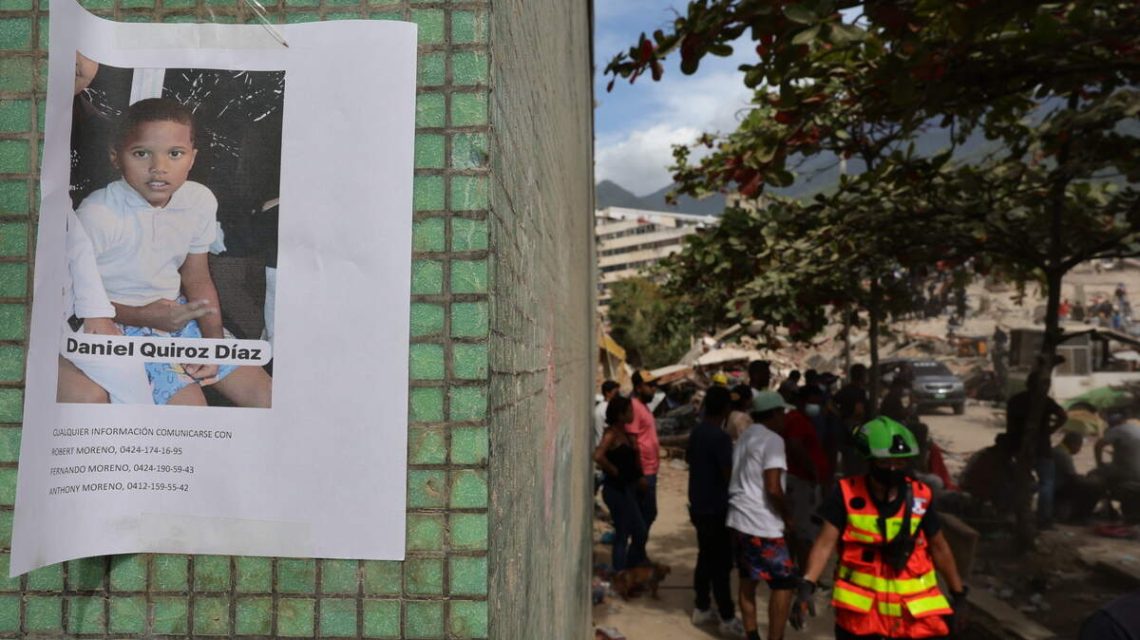
An image of a missing child pinned on a wall serves as a stark reminder of the magnitude 7.2 earthquake that devastated Venezuela and parts of the Caribbean on June 28. In Carabellada, La Guaira, this disaster has left over 3,500 dead and thousands missing. It raises crucial questions about whether the extent of the damage represents a prolonged human-made crisis fueled by Chavismo’s policies.
The Venezuelan populace is incensed, accusing the government of failing to act effectively in response to the disaster. This catastrophe amplifies an existing humanitarian crisis, a byproduct of the regime established by Hugo Chávez in the late 1990s. Policies of increased state control over the economy and populist rhetoric led millions to flee, searching for a better life abroad. Amid the chaos, desperate citizens resort to clearing debris with bare hands to find loved ones.
Recent scrutiny has focused on government-built apartment complexes that collapsed during the earthquakes of June 24, with magnitudes of 7.2 and 7.5. Concerns about the construction quality of these buildings have been voiced for years. Residents and engineers alike warned about the potential dangers.
In Caraballeda, a collapsed public housing building revealed a disturbing detail: pieces of the structure mixed concrete with white Styrofoam, as reported by NPR. Public housing in La Guaira, densely populated, experienced some of the highest casualties.
The Misión Vivienda project began in 2011, during Chávez’s presidency, with the country buoyed by oil revenue. Construction happened at a frenetic pace, but key aspects like soil testing and design transparency were neglected. Some buildings from the project in other areas were demolished even before these earthquakes due to poor craftsmanship.
“Misión Vivienda is unauditable. The public has no knowledge of the quality of the materials used, the total amount of the investment, whether the corresponding soil studies were conducted, or the number of housing units that were actually built,” reported El Estimulo in 2017.
Delcy Rodríguez, acting as Venezuela’s president, stated that most collapsed buildings in La Guaira were not constructed by the state. Under normal democratic conditions, such a disaster would prompt thorough investigations. However, half a year after the U.S. captured Nicolás Maduro, Chavismo retains its grip on power, with Rodríguez closely aligned with him.
The regime remains resistant to introspection or taking responsibility. While the government touts Misión Vivienda’s success, claiming over 5.5 million homes built, this narrative faces scrutiny judging by the quality of construction.
These earthquakes also highlight issues within U.S. policy concerning Venezuela. Maduro’s capture aside, the vision of a democratic transition remains elusive. In a nation ravaged by disaster, achieving transparent elections appears increasingly challenging.
For Venezuelans in South Florida and elsewhere, the devastation serves as further evidence that promises of equality under Chavismo were hollow. Instead, the nation suffered under a regime marked by corruption and cronyism, typical of undemocratic systems.
Suspicions now swirl around the possibility that faulty construction of public housing resulted in many tragic deaths, suggesting a crisis that overshadows the natural disaster itself.
 Dutch Review Board’s Euthanasia Ruling and International Debate
 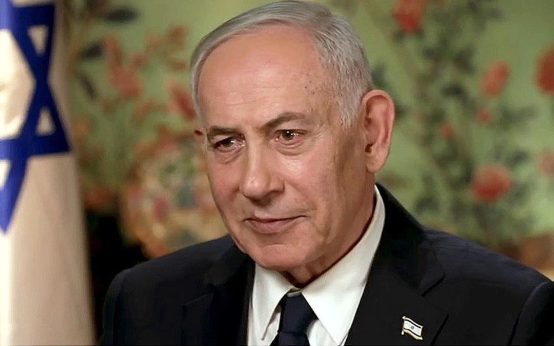 Israeli PM Commends Heroic Actions in Flight Emergency
 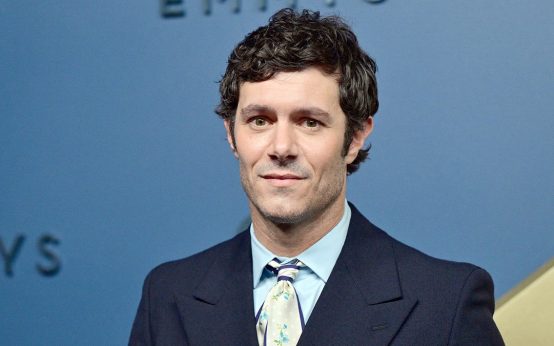 Rabbi and Jewish Leaders Criticize Adam Brody for ‘Genocide’ Comment
  Flydubai’s Emergency Landing Highlights Cockpit Security
 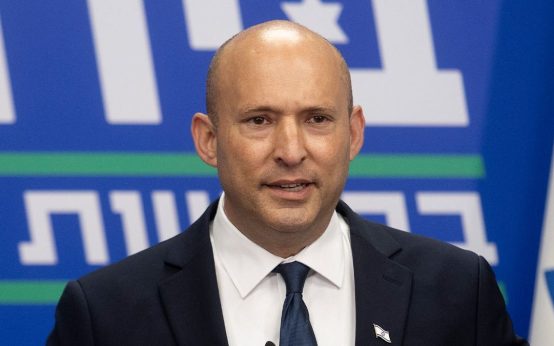 Former Israeli PM Naftali Bennett Commends Passengers and Crew for In-Flight Heroism
 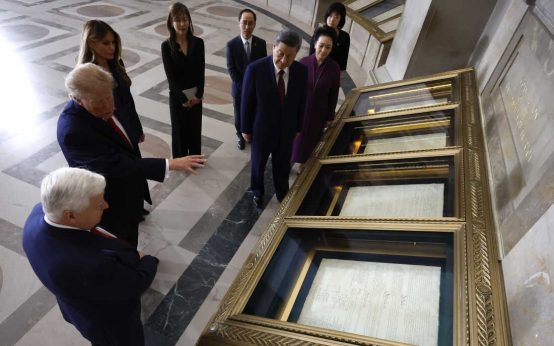 Diplomatic Complexities Unfold at U.S. National Archives Visit