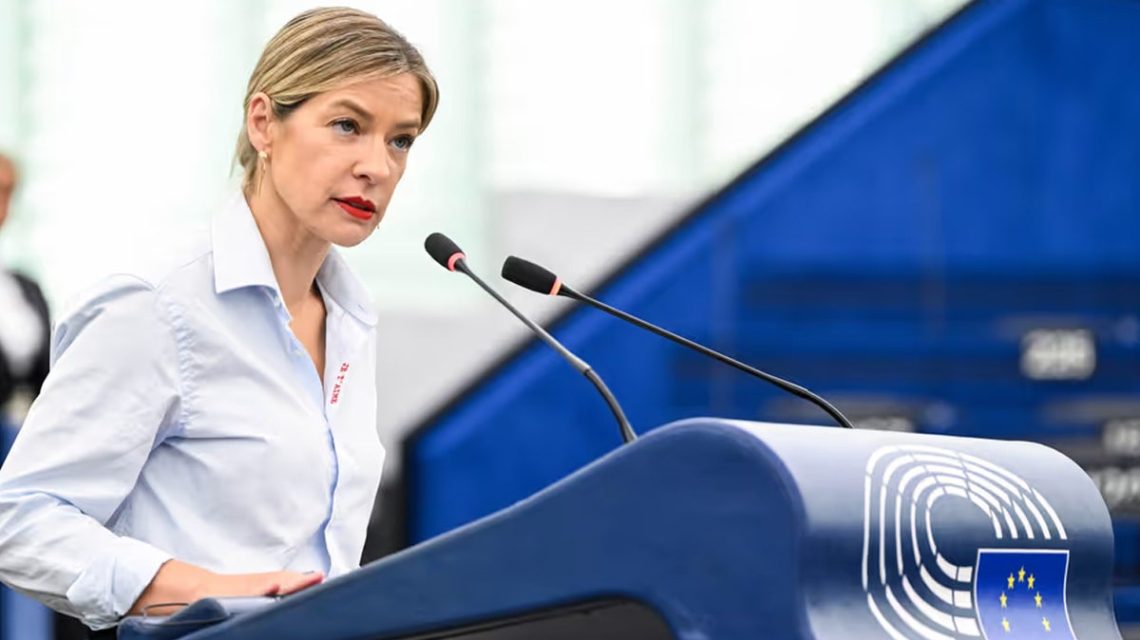
The European Parliament has taken significant action against the Muslim Brotherhood, a radical Islamist group, following its previous sanctioning by the Trump administration. This development marks Europe’s recognition of the threat posed by radical Islam throughout the continent.
An overwhelming majority in the European Parliament voted for a resolution condemning the Muslim Brotherhood and its actions. Member Céline Imart from France sponsored the resolution, calling it a historic victory. She noted that this is the first time Europe has voted on legislation addressing Islamist entryism and the influence of the Muslim Brotherhood.
“This victory signifies a major doctrinal shift in the institutions,” Imart stated after the vote. “We transcended partisan divides on a major issue for our societies and youth.”
Lorenzo Vidino, director of a program on extremism at George Washington University, described the resolution as a culmination of efforts by French and Austrian governments over the past decade. He highlighted a growing consensus across Europe demanding action against radical elements.
The resolution, led by the center-right European People’s Party (EPP), reflects a political divide. While the right largely supported the resolution, parts of the left opposed it. Imart thanked negotiators, excluding the socialists and the far left who boycotted the text.
The resolution denounces Islamist entryism targeting democratic institutions, equality, and fundamental freedoms. It stresses protecting Muslim citizens from discrimination and discourages legitimizing organized Islamist networks as representative interlocutors. The resolution calls for not using anti-discrimination policies to shield Islam from criticism.
The pan-European anti-racism network, ENAR, condemned the resolution, describing it as racist and Islamophobic. They rejected claims associating their network with the Muslim Brotherhood.
Edmund Fitton-Brown, a senior fellow at the Foundation for Defense of Democracies, praised the resolution for addressing Islamist entryism. However, he acknowledged the challenge of converting it into binding legislation.
Vidino noted that Europe views the Muslim Brotherhood through lenses of entryism and subversion, different from the U.S. approach, which labels several of its branches as terrorist organizations. This European perspective sees the group’s activities as potentially legal individually, though collectively threatening democracy.
The resolution asked the European Council to assess links between entities or individuals connected to the Muslim Brotherhood for possible inclusion in the EU terrorist list. It called for transparency in EU funding and greater scrutiny of foreign funding, particularly involving connections to Qatar or Turkey.
The European Parliament’s resolution is seen as a crucial starting point, calling for further action from the Commission and Council. Imart pledged to ensure compliance and continuing action.
 Macron Criticized for Attending Concert Amid Unrest
  Pope Leo XIV’s Recovery and Upcoming Activities After Lung Cancer Surgery
 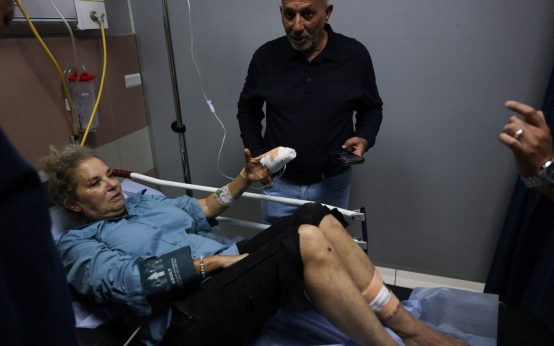 U.S. Demands Action After Attack on American Journalist in West Bank
 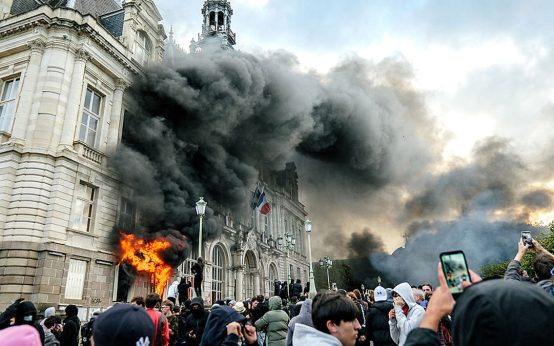 Escalating Unrest in France Raises Concerns for the NFL and Public Safety
 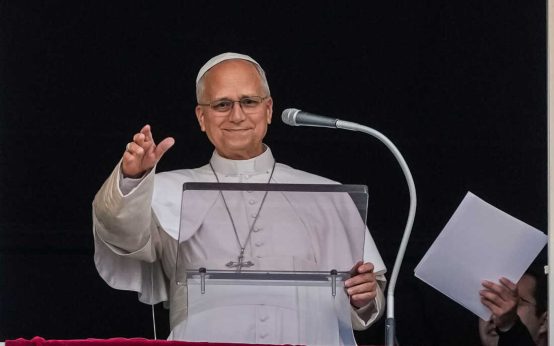 Pope Leo XIV Returns to Duties After Lung Surgery
  U.S. Ambassador Condemns Attack on American Journalist in West Bank