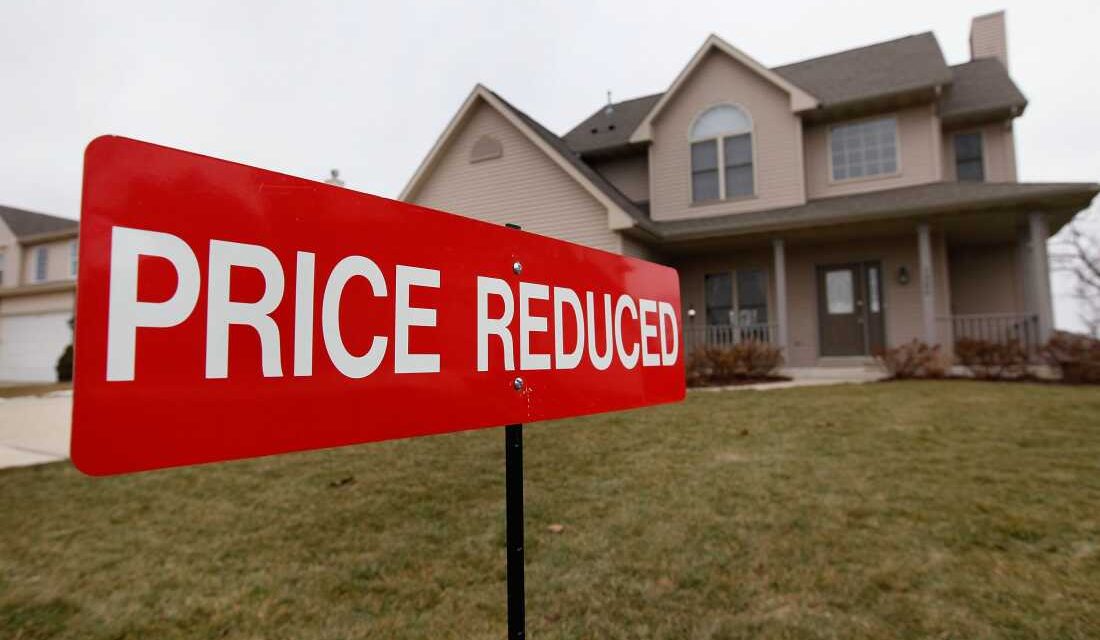
Recently, home prices in Denver and several other areas across the United States have been declining. According to the S&P CoreLogic Case-Shiller Home Price Index, Denver witnessed a more than 2% drop in home prices year over year, a figure that increases if adjusted for inflation. This situation has also been reflected in rental costs, which have fallen even more dramatically.
A resident of Denver, Karl Baumgartner, is delighted by this change. As a renter, he has moved into a larger apartment with better amenities that were previously unaffordable, thanks to the reduced rental prices. He even mentions a friend who renegotiated her lease for $500 less per month by highlighting to her landlord the lower rates in the neighborhood.
While renters find this beneficial, Baumgartner raises an important question about whether negative inflation in the housing market could have drawbacks, or if it simply means the market is functioning properly due to supply catching up to demand.
Economic Impact of Falling Home Prices
Economists have different views on whether declining housing prices are beneficial or detrimental to the economy. On one hand, falling home prices can have negative consequences for homeowners and landlords. For instance, those owning property might experience reduced wealth effects, leading them to spend less, as noted by Daryl Fairweather, chief economist of Redfin. Eric Zwick, an economist at the University of Chicago Booth School of Business, indicates that issues arise mainly from debt, particularly if home values decline greatly, similar to the conditions during the 2008 financial crisis.
A notable example of severe economic consequences is Detroit. The city experienced significant deindustrialization and population loss, resulting in an 80% drop in home prices during the housing crisis of the 2000s. Such declines were due to economic collapse rather than an influx of affordable housing, resulting in neighborhoods deteriorating and generational wealth disappearing.
Positive Aspects of Declining Home Prices
Conversely, falling home prices can also indicate market health, especially when supply meets growing demand. Cities with thriving economies often struggle with housing affordability due to limited new developments. Researchers Chang-Tai Hsieh and Enrico Moretti highlighted how significant restrictions on constructing new housing in productive cities like the San Francisco Bay Area hampered economic growth by 36% over several decades.
In Denver, the positive aspect includes economic growth and job creation, which Kevin Matthews from Denver YIMBY believes were previously hindered by costly housing restricting affordable living availability. Lower rents could balance expenses, allowing renters to spend on other economic investments or encourage family formation, as suggested by Misha Fisher, chief economist at Zillow.
Evaluating the Impact
No definitive metric can determine whether falling housing prices are beneficial or detrimental, but several considerations can help assess the situation. One key factor is understanding why housing prices are dropping: whether it is due to increased supply or reduced demand. Fisher notes that a decline driven by shrinking demand could signal broader economic problems, whereas supply-driven declines usually suggest healthier market conditions.
Fairweather posits that land value fluctuations serve as another potential indicator. Lower land values generally accompany economic downturns, whereas thriving local economies undergoing new housing developments may maintain or increase land values despite lower home prices.
Another metric is the ‘price to income’ ratio, which compares housing costs with area income levels. Falling prices aligned with rising incomes indicate economic prosperity while promoting housing affordability.
Experts believe Denver’s situation reflects increased housing supply, noting significant new developments and apartment buildings. Despite a slowdown in migration into the city, few experts anticipate any major economic alarm. Denver homeowners had previously experienced notable home value growth, implying resilience against market volatility.
Ultimately, Denver’s current state represents falling housing costs without broader economic decline, offering relief to renters like Baumgartner while maintaining market stability.
 Navigating Los Angeles Real Estate on a Budget
  Mortgage Rates Return Above 7% After Twenty Months
  Inland Empire Grapples with Growing Housing Affordability Concerns
  Challenges in Los Angeles’ Multifamily Housing Market
  Jevon Carter Sells Chicago Town Home
  Charming River Forest Home With Custom Features