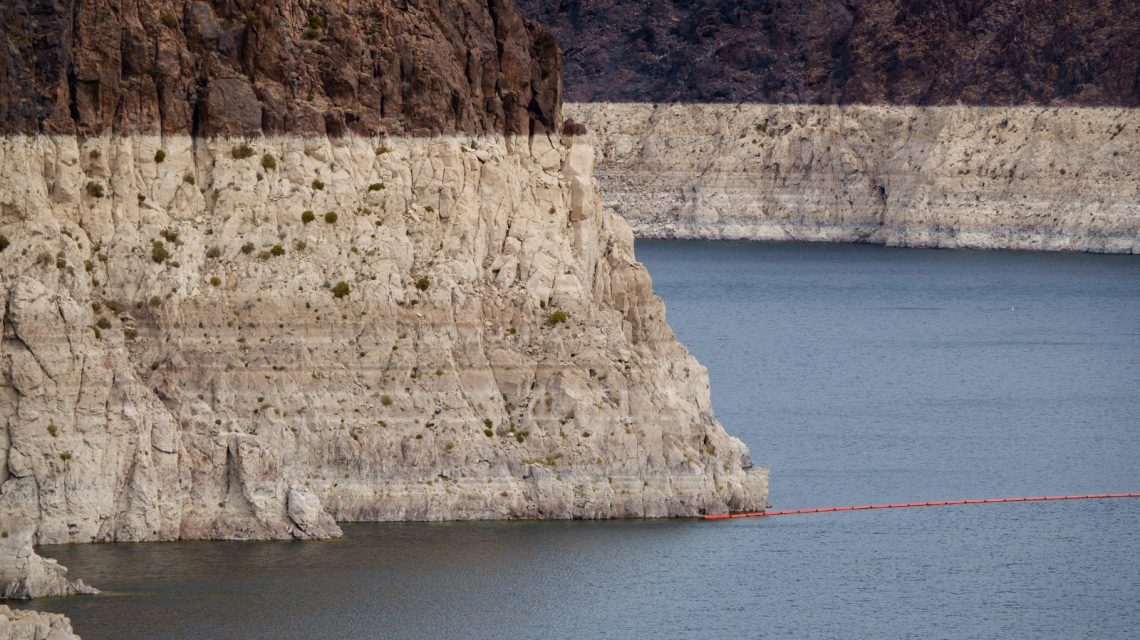
The U.S. federal government has committed up to $65 million to support the Metropolitan Water District of Southern California in conserving Colorado River water. This initiative aims to slow Lake Mead’s decline and safeguard hydropower generation at Hoover Dam. The agreement, approved by the Metropolitan Water District’s board, involves the U.S. Bureau of Reclamation compensating the district at $325 per acre-foot of water retained in Lake Mead, up to a total of 200,000 acre-feet by 2026.
For perspective, an acre-foot equals around 326,000 gallons, sufficient to supply about three Southern California households. The funding comes from the Lower Colorado River Basin System Conservation and Efficiency Program, enabled by the 2022 Inflation Reduction Act. The Metropolitan Water District attributes this conservation capacity to decades of investment in various water-related initiatives including conservation, recycling, groundwater recovery, storage, and diversified supply sources.
Adán Ortega Jr., Chair of the Metropolitan Board, praised Southern California’s long-term water investments for providing resilience and stability to the Colorado River amidst current challenges. Since 1990, the district and its ratepayers have invested roughly $1.7 billion into conservation efforts, recycling, and groundwater recovery, producing over 8.8 million acre-feet of water.
The board ratified two supplementary agreements with the Quechan Tribe and Bard Water District, permitting Reclamation to fund up to 19,000 acre-feet of conserved agricultural water for Lake Mead in the years 2027 and 2028. These partnerships continue successful water conservation models established in 2023.
The initiative comes at a time when Lake Mead, the nation’s largest reservoir, is heavily impacted by persistent drought and reduced runoff in the Colorado River Basin. The reservoir’s water level is projected to reach a historic low following a record-low snowpack. Reclamation highlighted the ongoing drought’s impact on Colorado River system storage, currently at 36 percent of capacity.
The Colorado River is crucial for water supply, hydropower, recreation, habitat, and other uses, serving seven U.S. states, parts of Mexico, and supporting 35 to 40 million people. The Lake Mead agreement is designed partly to maintain power generation at Hoover Dam. If Lake Mead’s levels drop too far, hydropower generation at the dam could be cut by 70 percent, jeopardizing electricity supply in the Southwest.
Metropolitan General Manager Shivaji Deshmukh emphasized the agreements as vital short-term measures. However, he stressed the necessity for long-term commitments from the seven Colorado River Basin states once current guidelines expire at the end of 2026.
Metropolitan Water District represents 26 cities and water agencies, catering to nearly 19 million residents in Los Angeles, Orange, Riverside, San Bernardino, San Diego, and Ventura counties.
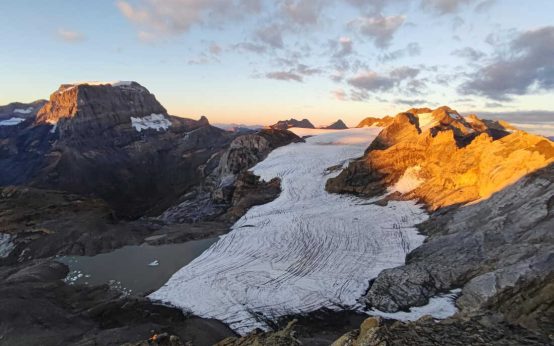 Swiss Glaciers Show Effects of Ice Loss Amid Global Warming
  Climate-Resistant Rock Glaciers: Hidden Water Resources
  Senators Reach Bipartisan Agreement on Permitting Reform
  Experts Warn of Critical Period for the Colorado River
  Future Cities: Ambitious Projects Aiming for Innovation and Sustainability
  Supreme Court Case Suncor vs. Boulder: Implications for Accountability in Climate Change