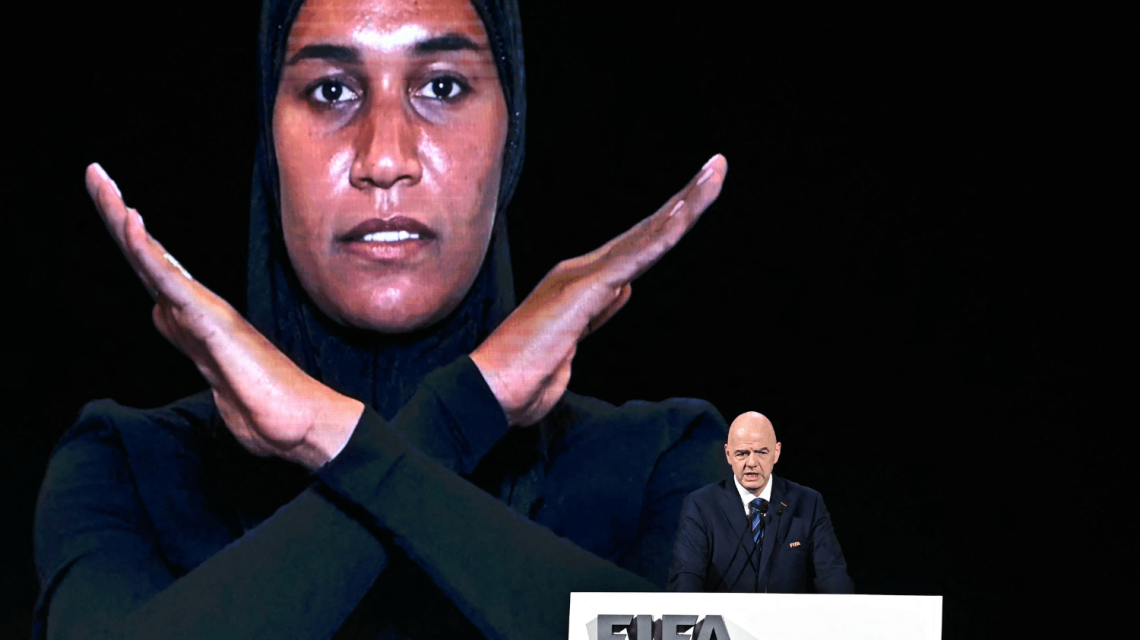
Players participating in the 2026 World Cup will have a new method to report racist abuse during matches by crossing their arms to form an ‘X.’ This gesture will activate FIFA’s anti-discrimination protocol and may halt play. The ‘No Racism’ signal first appeared during the 2024 Under-20 Women’s World Cup in Colombia and is now being extended to all FIFA competitions. Soccer’s governing body continues to face pressure for a quicker and more visible response to racism, which has plagued major international tournaments.
What Happens When a Player Makes the ‘X’ Gesture?
According to FIFA rules, players, referees, or team officials who witness racist or discriminatory behavior can use the gesture. Once displayed, the ‘X’ serves as a distinct signal for the initiation of soccer’s three-step anti-discrimination protocol.
The first step involves the referee pausing the game and making a stadium announcement demanding that the discriminatory behavior cease. If the abuse persists, the next step allows players to leave the field and suspend the match. Should the situation remain unresolved, the referee has the power to abandon the game completely. FIFA emphasizes that the gesture supplements but does not replace the existing process, serving as a clear and visible trigger.
How Is This Different From Previous Approaches?
FIFA’s anti-discrimination procedures have been in place for years, but enforcement often relied on referees identifying abuse or players verbally reporting incidents during play. The new gesture seeks to eliminate this ambiguity. By introducing a universally recognized signal, FIFA aims to identify and address incidents more efficiently and consistently.
This measure also addresses criticism from players and anti-racism advocates who claim governing bodies have not always taken swift action against abuse. FIFA’s gesture is part of a larger initiative to standardize anti-racism enforcement leading up to the 2026 World Cup, which will take place in the U.S., Canada, and Mexico.
The Racism Incidents Behind the Move
Racist abuse has been prevalent at major international tournaments and significant matches in recent years. A notable incident occurred during a Euro 2020 qualifier between England and Bulgaria in 2019, where play was stopped twice due to racist chants and gestures directed at England players. The referee implemented UEFA’s anti-racism protocol, halting play and issuing stadium warnings, with the match nearly abandoned.
At the 2022 men’s World Cup in Qatar, FIFA disciplined federations for discriminatory behavior, including offensive chanting by supporters during matches. Racism has also expanded online. Bukayo Saka, Marcus Rashford, and Jadon Sancho faced racist abuse online following England’s penalty loss to Italy in the Euro 2020 final, leading to police investigations and widespread condemnation.
 The Quest for the Knuckleball Dream
 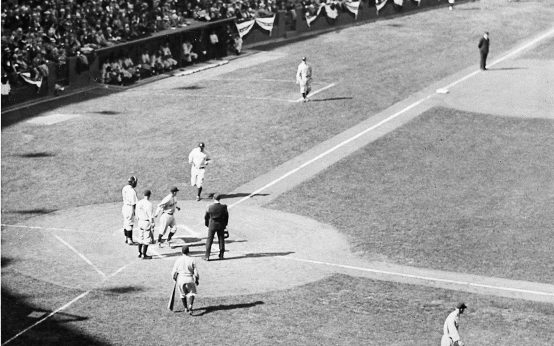 Historical Events in Chicago on October 1st
  Stephen A. Smith Discusses Houston Texans’ Critical Matchup Against Dallas Cowboys
 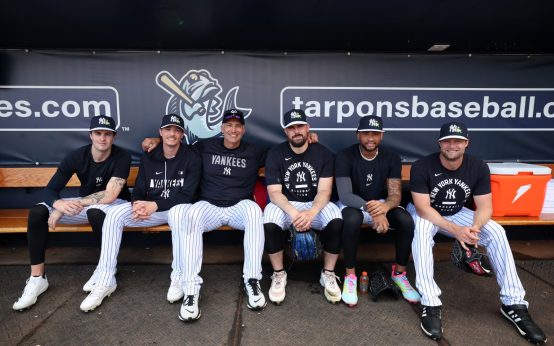 CC Sabathia Anticipates Yankees’ Game 1 Pitcher for ALDS After Beating Red Sox
 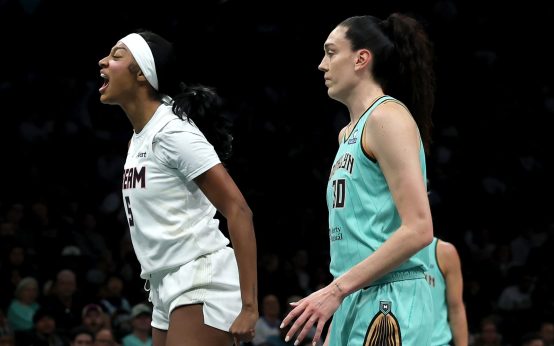 Atlanta Dream Progress to WNBA Semifinals
  Los Angeles Lakers Focus on Defense in Luka Doncic Era