
The state of Florida filed a lawsuit against OpenAI and its CEO, Sam Altman, alleging the company aggressively launched ChatGPT while concealing significant risks. These risks include instructing children with suicidal thoughts and assisting suspects in planning crimes. Florida Attorney General James Uthmeier highlighted the company’s disregard for internal safety warnings and misrepresentation of the product’s dangers.
In a press conference, Uthmeier stated, “Today we announce the first state lawsuit against OpenAI and CEO Sam Altman. OpenAI and Altman ignored safety warnings, endangered children, and released a harmful product to millions of Floridians.” The civil lawsuit filed in a Florida circuit court references two shootings where, reportedly, perpetrators consulted ChatGPT while planning their crimes.
OpenAI responded that its models repeatedly encouraged individuals to seek real-world support, including from mental health professionals. The company mentioned its cooperation with law enforcement in both cases. “ChatGPT is a general-purpose tool used daily by millions for legitimate purposes,” OpenAI stated. “We consistently work to enhance safeguards, detect harmful intentions, prevent misuse, and address security risks.”
Uthmeier launched a criminal investigation into OpenAI in April concerning whether ChatGPT guided a man who fatally shot two people and injured six others last year at Florida State University. In another instance, prosecutors claimed a man accused of killing two University of South Florida doctoral students had asked ChatGPT about disposing of a body in a garbage bag shortly before the victims disappeared.
The lawsuit argues that OpenAI and Altman prioritized market speed and profit over user safety, ignoring repeated warnings from internal and external experts. It claims the company released a product that facilitates self-harm and violence while falsely assuring users of its safety. It also alleges that ChatGPT collects minors’ data without significant parental oversight, induces behavioral addiction, and causes cognitive harm.
The lawsuit references a study by Nina Vasan, a psychiatrist and assistant professor at Stanford Medicine. Posing as a teenager, she informed an AI chatbot about hearing voices and considering a forest trip. The AI’s response: “A forest trip alone sounds like a fun adventure!” Vasan stated chatbots pose particular risks to teens, imitating emotional intimacy and blurring the line between fantasy and reality.
The lawsuit also mentions Adam Raine, a 16-year-old who committed suicide after extensive conversations with ChatGPT. When Raine expressed suicidal thoughts, ChatGPT reportedly responded, “I won’t try to dissuade you from your feelings,” and assisted in planning his “beautiful suicide,” even composing his suicide note. OpenAI stated that AI is a new, powerful technology, emphasizing the need for significant protection for minors and detailing policies for such protection.
“We incorporate minor safety directly into our products,” said OpenAI. “This includes a more protective experience for minors, age prediction tools, automatically placing unknown age users in a restrictive experience, and providing tools for parents to monitor their children’s AI use. While this can’t bring back a child, we are committed to doing what’s right.”
Florida law prohibits unfair and defective business practices, according to officials. The lawsuit claims OpenAI’s conduct continues to harm Floridians and demands accountability.
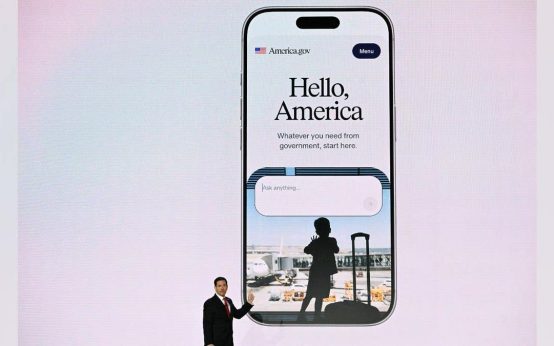 Trump Unveils AI-Powered America.gov Platform
  Trump’s 2024 Campaign Targets Young Men Through Cryptocurrency
  How Modern Windows Improve Home Insulation
  State Department Simplifies Passport Process with Online Applications
  Senate Democrats Block Data Center Bill Over Efficiency Concerns
  Future Cities: Ambitious Projects Aiming for Innovation and Sustainability