As August approaches and fall looms, the Los Angeles Dodgers face two critical questions. Firstly, will they secure a third consecutive World Series title? Secondly, will the ambitious $500-million plan to transport fans by gondola from Union Station to Dodger Stadium succeed or falter?
The first question remains up in the air, with no certainty of a three-peat. However, regarding the gondola project, former Dodgers owner Frank McCourt, a major proponent, should prepare for significant challenges ahead.
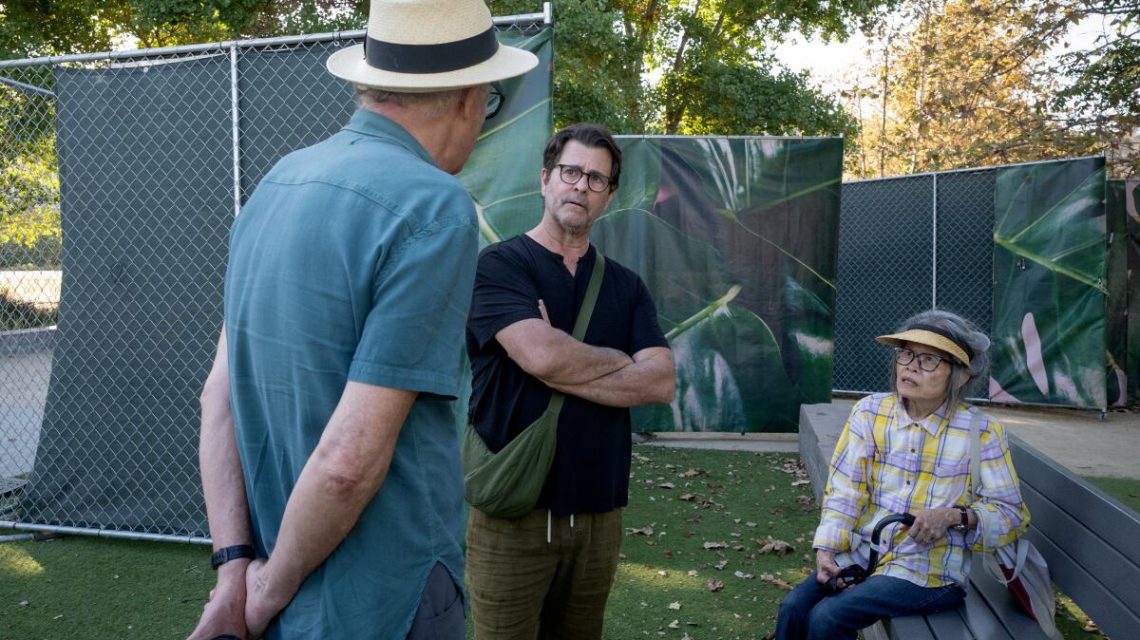
The proposed gondola route traverses a part of L.A. State Historic Park, threatening numerous trees and a space developed through extensive community collaboration. Opposition is growing, now including seven former state park officials and four ex-members of the state Park and Recreation Commission. These former staffers have voiced their concerns in letters, highlighting the potential harm to the downtown skyline’s view with advertising-laden gondola cars passing overhead.
“Gondola cars encased in digital ads, flying 26 feet overhead every 25-30 seconds would irreparably impair the vista, and the sense of calm and escape from urban life,” wrote former state parks director Ruth Coleman.
Additionally, four former commissioners have expressed their opposition in a joint letter arguing against the project, emphasizing the risk of degrading the state park’s integrity.
The California state government is considering a park plan amendment allowing the project review as the brainchild of McCourt since 2018. Yet, despite handing the project to an environmental group, McCourt’s purpose remains to deliver fans to Dodger Stadium, where he still has financial interests.
A public hearing is expected in the fall, likely leading to a contentious debate. Despite a Metro board meeting that approved the project in December, the L.A. City Council is largely against the gondola, setting the stage for a showdown as dramatic as a World Series.
While gondolas can be enjoyable, this project might not serve public transit interests. Proponents claim it will ease traffic congestion at Chavez Ravine, where McCourt retains parking ownership. However, questions remain about the effectiveness over existing shuttles from Union Station.
A larger question of concern is whether the gondola plan is preliminary to further stadium development into a commercial hub. While a Dodgers executive claims not to be deeply involved, the team’s backing suggests financial motivations.
The gondola promises private funding potentially supported through advertising sales. However, ride tickets are expected to be free for game attendees. This raises doubts about its viability, considering Dodger Stadium only operates part-time and parking revenue might suffer.
The narrative carries an underlying concern of taxpayers potentially bearing hidden costs, despite assurances otherwise. Alternative propositions, like easier access for cyclists and pedestrians, merit consideration.
Examining the effects on L.A. State Historic Park reveals extensive local opposition mainly concentrated on preserving the park’s character and environment. Many imply that the park’s development owes much to the input from local communities, which fought for its establishment instead of allowing industrial expansion.
Sean Woods, a former state parks employee, expressed concern that the gondola project would betray the park’s community-centric mission. Excessive tree removal contradicts extensive public engagement that shaped the park’s intended purpose.
Susan Lai from Friends of Los Angeles State Historic Park critiques the proposal due to its lack of historical and cultural alignment with the area, emphasizing the importance of protecting the site’s archaeological heritage.
The park remains a vital community hub where a diverse array of visitors participate in leisure activities under a clear skyline. Concerns persist about overhead gondolas altering this visual and cultural landscape. Surrounding families unable to afford game tickets could face stark contrasts in local use and benefit.
The debate continues, and the project’s future outcome lies in the balance of local, cultural, and financial implications.
 Atlantic Ends September Without a Hurricane for First Time Since 1994
  Bobcat Sightings and Conservation Efforts in Illinois
 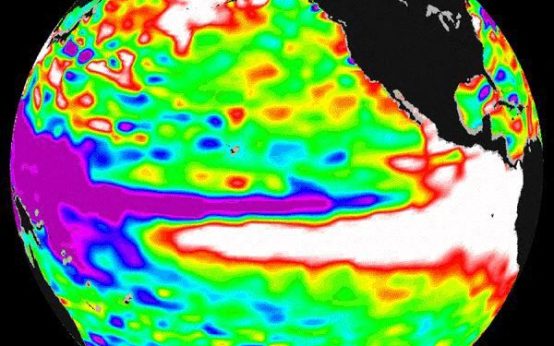 2026 El Niño: A Historical Comparison and Future Projections
  U.S. Records Warmest September in History
 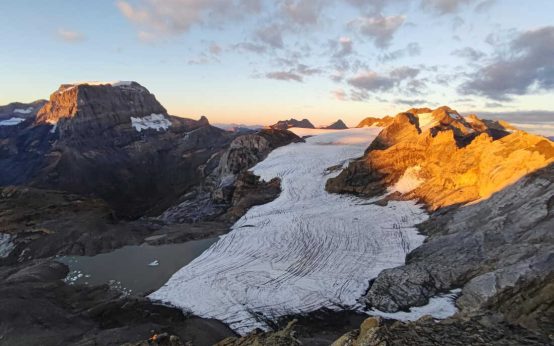 Swiss Glaciers Show Effects of Ice Loss Amid Global Warming
  Climate-Resistant Rock Glaciers: Hidden Water Resources