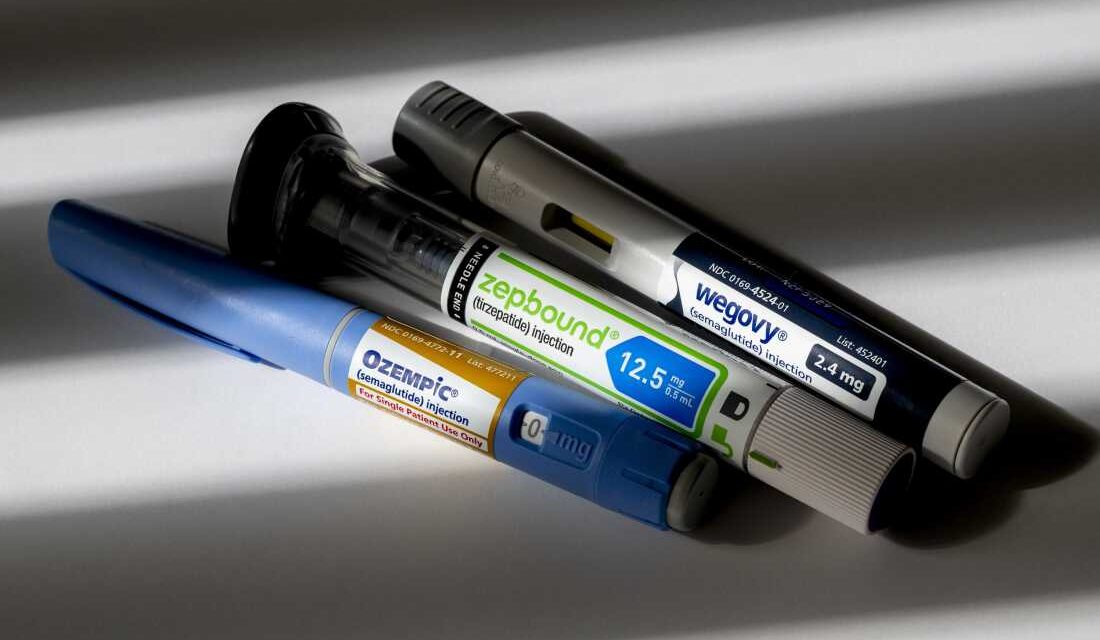
GLP-1 medications, known under various brand names, are primarily prescribed for diabetes, obesity, and sleep apnea. Recent studies also explore their potential to reduce cancer risk. Michael Siluk/Universal Images Group via Getty Images.
Mounting evidence hints at GLP-1 obesity treatments helping lower cancer risk. Though the research is correlative, findings suggest the drugs could reverse carcinogenic risks associated with obesity and potentially have anti-inflammatory effects that suppress tumors.
The potential cancer-controlling capabilities of GLP-1 drugs were prominent topics at the American Society of Clinical Oncology meeting. The event highlighted four studies, with some published in the Journal of Clinical Oncology. One significant study tracked records of over 10,000 patients with early-stage cancer. Results showed GLP-1s reducing cancer risk in 6 out of 7 cancers, with breast, liver, colorectal, and non-small cell lung cancer risks notably declining.
“It’s noteworthy that these effects appear across cancers, not only those tied to obesity,” said a researcher.
For non-small cell lung cancer, for example, 22.3% of patients not on GLP-1s progressed to Stage IV disease, compared to 10% of those on GLP-1s.
Originally developed decades ago for diabetes, GLP-1 drugs alter brain and gut hormones, reducing hunger and slowing digestion. Their action on metabolic levers extends their use to obesity, heart disease, and sleep apnea. Current studies show correlation, not causation, between GLP-1s and cancer risk reduction.
Dr. Julie Gralow, ASCO’s chief medical officer, notes these analyses lack detailed patient data such as comorbidities and lifestyle habits, which are crucial for conclusions. However, the findings align with knowledge about obesity’s role in various cancers and the impact of healthy living on both illness risk and recovery.
Breast Cancer Risk Reduction
Another study presented at the conference analyzed mammogram images and prescription data. Women aged 45 to 80 using GLP-1s were 30% less likely to develop breast cancer. Weight loss typically reduces cancer risk, but radiologist Elizabeth McDonald of the University of Pennsylvania indicates GLP-1s seem more effective than other treatments or lifestyle modifications.
McDonald suggests, “The weight loss alone didn’t account for the significant effects observed.”
She suspects these medications may trigger other metabolic pathways, potentially reducing inflammation, a known cancer driver.
Ongoing Research
New trials are investigating GLP-1s’ effects on chronic inflammation and immunosuppression. Oncologist Coral Omene at Rutgers Cancer Institute plans to study 40 breast cancer patients starting a GLP-1 drug like Mounjaro or Zepbound. Regular blood tests and biopsies aim to track hormonal and inflammation changes.
Omene states, “We will observe immune cell responses as treatments proceed,” hoping to deepen understanding of GLP-1 drugs’ role in cancer management.
 Trump Administration Distributes ACA Refund Checks
  Higher Consumption of Ultra-Processed Foods Linked to Increased Health Risks
  Understanding Inflammation: Myths and Facts
  Calm Parenting: Strategies to Manage Stress
  Trump’s Executive Order to Combat Mosquitoes and Ticks in D.C.
  Overcoming Weight Loss Challenges: Brain Health and GLP-1 Medications