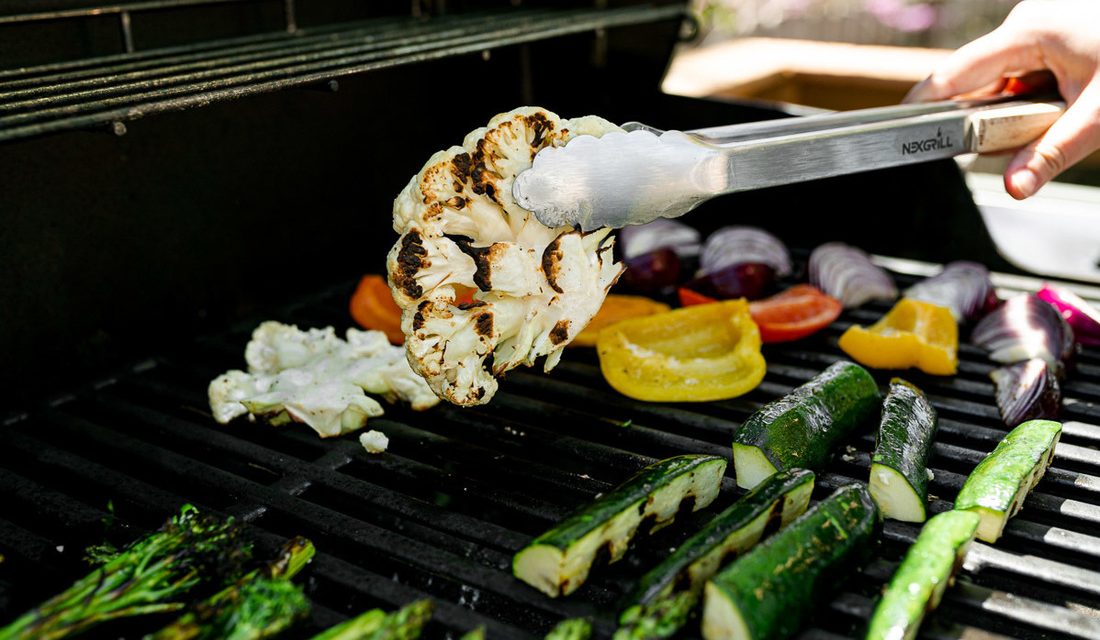
Grilling is an enjoyable outdoor activity for anyone who loves the unique flavor that comes with cooking over a flame. Whether it’s meats, vegetables, or fruits, grilling adds a smoky, crispy sear that enhances taste. However, even home chefs with experience might find grilling somewhat daunting because of the risks involved with open flames.
Choosing the Right Grill
Grills typically come as either gas or charcoal. If you prefer convenience, a gas grill might suit your needs. Gas grills operate similarly to kitchen stovetops, allowing you to light them instantly and control the flame through dials. This feature simplifies the cooking process, making them a practical choice for quick meals. Jess Larson, the founder of Plays Well With Butter, notes that gas grills eliminate much of the guesswork. You set the dials according to your recipe, and the grill manages the temperature.
On the other hand, charcoal grills provide the classic grill appearance and flavor. They are associated with the iconic kettle look and offer the smoky taste unique to charcoal grilling. Larson mentions that charcoal grills might be more budget-friendly, making them accessible for beginners. However, they require a learning curve to manage the fire effectively. With experience, you can achieve that desirable charred flavor.
Lighting the Fire
For those using charcoal grills, Larson suggests using a charcoal chimney to streamline the process. Start by removing the top grill grate. Place tinder like lightly crumpled newspaper at the bottom of the chimney, then pour charcoal through the top. More charcoal results in higher temperatures. Place the chimney on the grill’s bottom grate, then light the tinder with a long lighter.
If lighter cubes are available, use them to facilitate the lighting. Once lit, the coals will glow orange and eventually turn dusty gray after 10-15 minutes, indicating readiness for grilling. Pour the hot coals into the grill and arrange them based on desired heat levels. Replace the top grate, and you’re set to grill.
If using a gas grill, you can obtain propane from hardware stores or connect to a natural gas line if available.
Adjusting Heat Levels
Charcoal grills offer the flexibility to create temperature zones. For higher heat, stack more coals on one side; for lower heat, use fewer coals. Larson suggests starting chicken on lower heat, then finishing on higher heat for charred bits. For red meat or fish, begin on high heat without cooking them fully. For precise heat management, place an oven thermometer on the grill.
Embracing Simplicity
Lighter cubes, quick-light charcoal, or pre-marinated meats simplify grilling. Longer-handled grilling utensils like tongs, spatulas, and brushes are essential. Larson recommends an instant-read meat thermometer to prevent overcooking. Using tools relieves uncertainty, ensuring perfect timing for pulling meats from the grill.
Ensuring Safety
Safety matters. Review your grill’s manual for setup guidelines to avoid dangerous placements like against houses, patio roofs, or balconies. Proper placement ensures air circulation and heat dispersion. If flames escalate, Larson advises closing the lid and vents to starve the fire of oxygen. Have a fire extinguisher handy just in case.
Grilling introduces a world of flavor and can be enjoyable with practice. Larson shares her grilling recipes at Plays Well With Butter, and her Instagram account @playswellwithbutter offers more insights.
 Prepare for Rainy Fall Weather with Discounted Rain Jackets
  Review: Stokke Nighti 3-in-1 Convertible Cot Bed
  Embrace Failure: Turning Setbacks into Success
  Unusual In-Flight Behavior Leaves Passengers Stunned
  Choosing the Perfect Ugg Boots for Comfort and Style
  Understanding Food Safety: Tips for Preserving Groceries