
Officials are raising concerns about the health effects of this week’s oppressive humidity and intense heat in Southern California. Heat-related illness is a significant issue in California and beyond, especially with climate change and rising temperatures. Despite this, experts note that the public is still grappling with the dangers involved.
A 2021 investigation by The Times recorded 3,900 heat-related deaths in California over a decade, revealing that public agencies struggled to assist those impacted. Los Angeles County public health officials have reported an increase in emergency visits for heat-related illness during the summer heat waves. This data is tracked in a heat-related illness and mortality dashboard managed by the county health department.
Humidity this week is intensifying the perceived temperature. Climate scientist Daniel Swain explained, “This is an absolute humidity that is very high, and in some cases, it’s up there at the ceiling of humidity we’ve seen here anytime during the year.”
Experts have informed The Times that humidity disrupts the body’s natural cooling process because the moist atmosphere inhibits sweat evaporation, leading to a continued increase in body temperature. Lower humidity makes heat-related illnesses less likely.
Understanding Heat Stress
Dr. David Eisenman, professor at the David Geffen School of Medicine and Fielding UCLA School of Public Health, explains “heat stress” as the total heat the body must adjust to maintain a stable temperature. “Our body works best at an internal temperature of 98.6 degrees and constantly strives to hold that number,” Eisenman said. Heat sources can be internal, like exercise, or external, such as hot weather. Increased heat and humidity mean more effort is required to maintain this stable temperature.
People can keep their skin wet by using a spray bottle to mist water on their face, neck, and forearms. This should be repeated every 5-10 minutes to keep the skin visibly damp. Clothing can be soaked in cold water, and iced or chilled damp towels can be applied to the body.
Health Guidance
The Los Angeles Department of Public Health offers basic tips for managing heat and humidity:
- Stay hydrated. Drink water throughout the day, even when not thirsty.
- Limit outdoor activities. Avoid going out during the hottest hours and wear lightweight, light-colored clothing, a hat, or use an umbrella and sunscreen (SPF 15 or higher).
- Keep your home cool. If it becomes too hot, visit air-conditioned places or cooling centers.
- Never leave children or pets in cars. Vehicles can heat up quickly, even with open windows.
- Check on those more vulnerable to heat-related illness, such as individuals with chronic conditions, older adults, children, pregnant women, pets, outdoor workers, and anyone without air conditioning.
- Call 911 for symptoms like confusion, fainting, hot and red skin, high body temperature (103°F or higher), rapid pulse, headache, dizziness, or nausea.
If without air conditioning, take cool showers or baths, minimize stove and oven use, and visit air-conditioned places like libraries or malls. For assistance finding cool spaces, call 211.
Heat Illness Warning Signs
The Times has outlined signs of heat-related illness:
Heat Exhaustion
Symptoms: Internal body temperature over 104 degrees, lethargy, dizziness, communication difficulties, headache, reduced cognitive abilities, fainting, and excessive sweating.
Treatment: Follow heat syncope instructions, remove extra clothing, wet a towel and wrap around the body, and call 911.
Heatstroke
Symptoms: Internal body temperature over 104 degrees, loss of consciousness, possibly dry skin, and a lack of sweat indicating compromised natural cooling.
Treatment: Move to a cooler location and call 911 immediately.
 Grudges and Forgiveness: The Impact on Mental Health
  Crackdown on Fraudulent Obamacare Enrollments
  Voice Disorders Linked to Increased Dementia Risk, Study Finds
  Understanding Misperceptions Around Sexual Violence and Intervention
  Ibogaine Treatment Travel: Americans Seeking Alternatives Despite Risks
 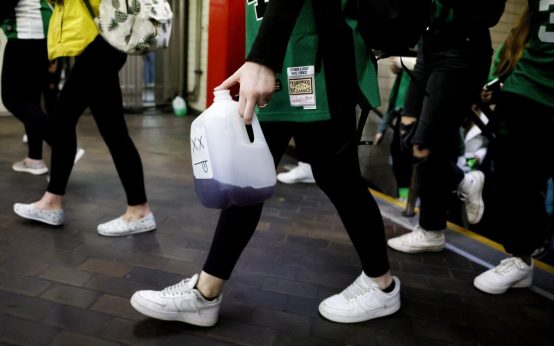 Study Highlights Risks of Borg Consumption on College Campuses