The House narrowly approved a resolution to stop U.S. military action in Iran, signaling a warning to President Donald Trump amid ongoing conflict. The resolution, passed with a vote of 214-208, emphasizes the need for congressional approval for continued military engagement. This action came just before the Senate narrowly rejected a similar measure with a 47-49 vote.
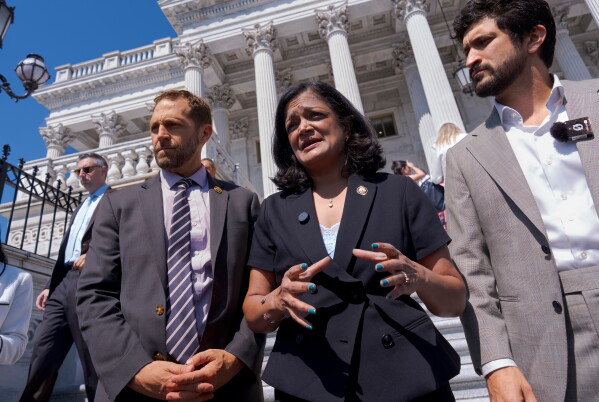
While these resolutions, led by Democrats, carry symbolic weight, they highlight diminishing support for the war on Capitol Hill. Lawmakers from both parties question the administration’s strategy and objectives. Representative Pramila Jayapal, who spearheaded the House resolution, criticized the war’s lack of direction.
The resolution found success after a few Republicans sided with Democrats to end the conflict. However, most Republicans supported continuing it, transferring congressional war powers to Trump. Representative Pramila Jayapal discussed these developments with reporters after the vote.
Joint U.S. and Israeli airstrikes initiated the conflict in late February. Though a ceasefire was reached in April, Trump recently declared it concluded.
Trump maintains that ongoing U.S. strikes do not indicate a return to war. He labeled the initial House vote to suspend military actions as “unpatriotic” and “meaningless.” The White House reaffirmed that these resolutions lack legal standing and urged lawmakers to vote against them, highlighting the President’s constitutional authority to defend against the Iranian threat.
Despite diplomatic stalemate and continued American strikes, tension over the critical Strait of Hormuz endures. The unpopular conflict contributes to global economic instability, inflating fuel prices ahead of fall midterms. Senator Chris Van Hollen asserts the war’s growing unpopularity, stressing the need for accountability as Americans suffer rising costs and casualties.
During the House debate, Foreign Affairs Committee Chairman Brian Mast read names of service members killed in the conflict. He defended the mission, while Representative Gregory Meeks criticized its legitimacy, calling for Congress to take decisive action. Democrats intend to continue pressuring Republicans on this issue.
Senate Minority Leader Chuck Schumer emphasized the importance of congressional involvement, stating, “If Donald Trump won’t listen, Congress must.” The President closely monitors these votes, recognizing the political implications for Republicans opposing the war. Trump’s unfavorable comments about Republicans who voted with Democrats reflect the political tension surrounding the conflict.
Senator Bill Cassidy experienced this firsthand, having clashed with Trump over the need for transparency. Despite initial opposition, Cassidy eventually changed his vote after receiving a briefing with Trump. Polling data shows widespread disapproval of Trump’s handling of the Iran situation. While a majority of Republicans back the war, a significant portion remains skeptical of its necessity.
Senator Tim Kaine suggested that Congress curb war funding if the President bypasses congressional approval. A Republican budget proposal, allocating $95 billion for the Iran conflict, passed the House but faces uncertainty in the Senate.
 Urgent Need for Action in East Africa’s Food Crisis
  Suspected Plague Death in Siberia Sparks Health Measures
 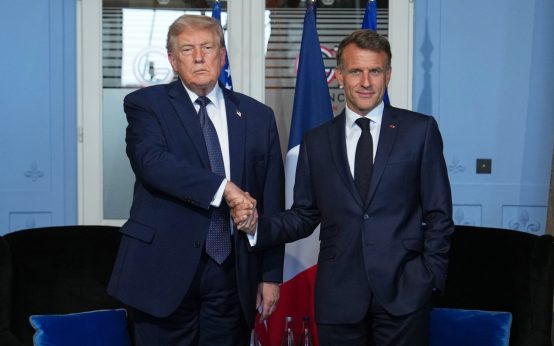 G7 Nations Agree to Release 100 Million Barrels of Oil Amid Fuel Price Surge
  Co-Pilot Attempts Hijack on Flight to Tel Aviv
  U.S. Revises Global Health Aid with New Strategy
  U.S. Warns Against Travel to Colombia’s Norte de Santander Due to Security Threats