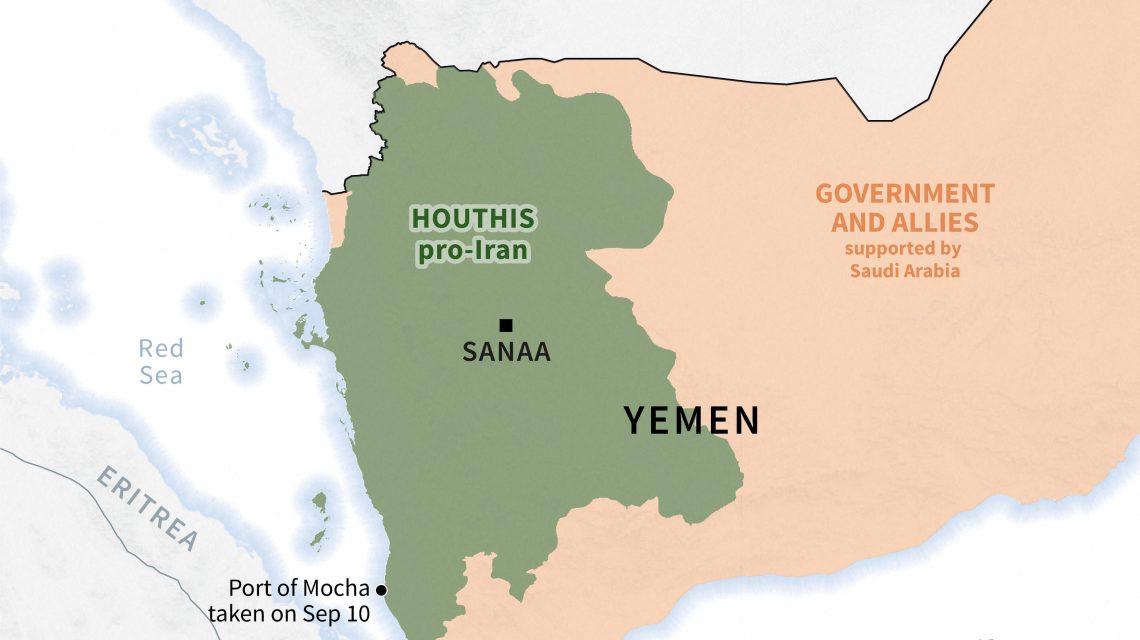
Over the last ten years, Yemen’s Houthi rebels have evolved from a little-known group in northwest Yemen into a significant force in the Middle East. They have become Iran’s most influential ally and a primary adversary of the United States and its allies.
Rising Influence of the Houthis
While other Iranian proxy groups have diminished, the Houthis have emerged as a central player. Their ability to inflict damage through hard-to-repel aerial attacks exemplifies the asymmetric warfare style. Recently, to support Iran, the Houthis launched attacks on Israel shortly after the US joined Israel in strikes across Iran, escalating the conflict in the region.
Impact on Saudi Arabia
Saudi Arabia, a wealthy nation and key US ally, has suffered from Houthi attacks. These assaults have resulted in at least 20 deaths at Saudi airports in the past week. The rebels, along with allied groups, have targeted Saudi oil infrastructure, driving up global energy prices and threatening key maritime routes like the Bab el-Mandeb Strait.
The Saudis have called for US assistance in military operations against the Houthis. President Trump initially declined but has recently considered the request.
Iran’s Strategic Ally
The Houthis receive financial and military support from Iran. US and Israeli officials, along with analysts, have long highlighted this backing. Unlike Hamas and Hezbollah, whom they joined in attacks on Israel, the Houthis have rebounded stronger and more equipped, making them Iran’s most powerful proxy.
The Houthis have become Iran’s most powerful proxy, said Mohammed Al-Basha. Any US military campaign on Iran must consider the Houthis’ actions.
Al-Basha notes that after a major attack on Israel in 2023, the Houthis gained new equipment from Iran and honed skills in penetrating air defenses. They adopted tactics such as using drones and missiles in layers against Israel and now Saudi Arabia.
Tactical Advantages and Goals
The Houthis utilize Yemen’s poor economy to their strategic advantage. Their ideological support base tolerates economic hardship if it means inflicting damage on Saudis and impacting the global economy.
Houthi spokesman Brig. Gen. Yahya Saree claims their attacks on Saudi Arabia respond to aggression, but according to Al-Basha, their real goals involve gaining control of Yemen and legitimacy recognition from the Saudis.
Houthi Evolution
The Houthis arise from the Zaydi Shiite Muslim sect with deep roots in northern Yemen. They are a significant minority in a mostly Sunni country. Originally aiming to protect Zaydi culture, they’ve transformed into a force carrying an anti-American and anti-Israel slogan.
Analysts estimate the Houthi armed force consists of hundreds of thousands of fighters. They began gaining power in 2012, seizing the capital, Sanaa, in 2014. This act sparked a civil war against a Saudi-backed government.
The Houthis took control of key military assets and survived initial fights with a Saudi-led coalition. Iran and Hezbollah aided in training and weapon development, enabling the Houthis to manufacture drones and missiles. Reports suggest the use of AI software to enhance weaponry, though dependence on Iran for advanced capabilities persists.
The Conflict in Yemen
The Houthis benefit Iran by threatening Saudi Arabia, Israel, and international shipping, providing a cost-effective strategy without ground force presence. Inside Yemen, they face a decentralized opposition divided into separate command structures.
The United Nations estimates the ongoing war has caused 377,000 deaths, primarily from indirect consequences. Over 201,210 people have fled homes due to violence, disease, and famine.
Figures from the World Health Organization, as of early October, attribute 959 deaths directly to the fighting. The Houthi Ministry of Health reported additional casualties resulting from recent escalations.
 U.S. Withholding Funds from Chemical Weapons Organization
  Facing New Global Threats: Lessons from the Past and Present Security Challenges
  Future Uncertain for Historic Santa Monica Route 66 Landmark
  Pope Leo XIV Undergoes Lung Surgery
  Drone Attack on Riyadh Airport Causes Casualties
  British Activist Raises Concerns Over Criminal Charges for Silent Prayer