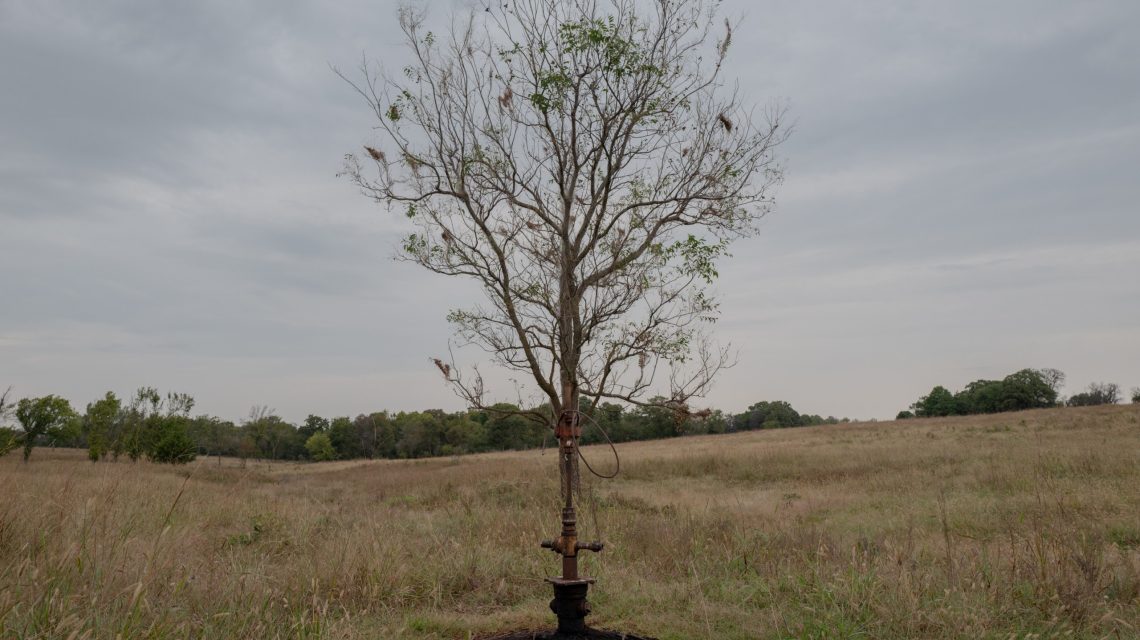
In Oklahoma, wastewater from oil and gas activities is causing significant underground contamination. This waste is emerging from old wells and impacting the state’s drinking water. Regulatory documents reveal persistent failures to curb this pollution and hold oil companies accountable for their actions.
Uncontrolled Wastewater Spread
Oil and gas drilling in Oklahoma produces a byproduct known as saltwater. This wastewater contains various cancer-causing chemicals. It is not only uncontrolled but also spreading below the ground from old, deteriorating wells.
Regulatory Failures
Despite the clear risks, regulators have not effectively halted the spread of this toxic waste. There is a noticeable gap in accountability for oil companies responsible for this environmental crisis. The measures taken thus far have proved insufficient to address or mitigate the threats to Oklahoma’s water sources.
Pollution Crisis
Experts express grave concerns over the potential of an escalating pollution crisis. The situation puts Oklahoma’s drinking water safety at risk, with long-term implications for public health and the environment. There is a growing need for more stringent regulatory oversight and effective intervention strategies to control this threatening issue.
Note: This article is part of a series examining the ongoing issues of toxic wastewater management in Oklahoma’s oil fields.
 Swiss Glaciers Show Effects of Ice Loss Amid Global Warming
  Understanding Inflammation: Myths and Facts
  Climate-Resistant Rock Glaciers: Hidden Water Resources
  Senators Reach Bipartisan Agreement on Permitting Reform
  Experts Warn of Critical Period for the Colorado River
  Overcoming Weight Loss Challenges: Brain Health and GLP-1 Medications