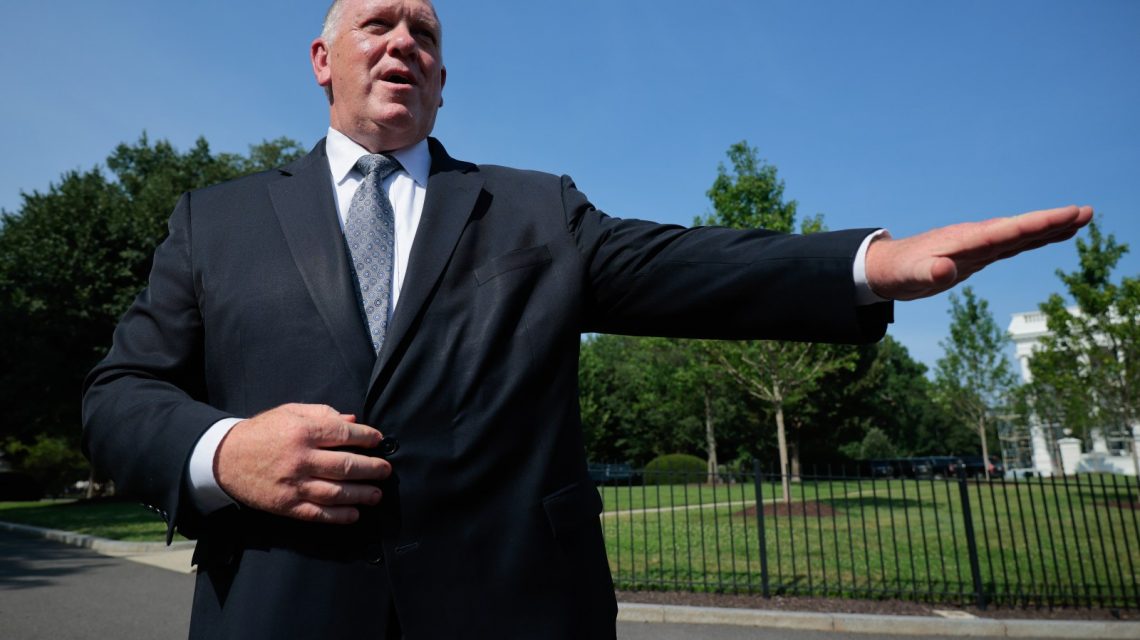
Tom Homan, U.S. Immigration and Customs Enforcement’s border czar, announced record-setting arrest numbers for ICE. For the second consecutive month, arrests have reached unprecedented levels due to increased enforcement actions.
“In June, we had the highest numbers of arrests in the history of the agency of ICE and July’s tracking even beat that. So we’re hitting all cylinders now,”
Homan shared in an interview with NewsNation. The term “deportation-maxxing,” used by Homan, describes the push to maximize deportations.
The Trump administration has intensified efforts to address challenges inherited from previous administrations. Court injunctions have posed obstacles affecting immigration enforcement operations. Civil liberties groups and lawmakers have voiced concerns over the agency’s tactics. Fatal encounters during enforcement have increased scrutiny.
ICE detention data reveals rising enforcement activities. Updated statistics indicate a rise to 65,765 detainees as of July 11. This number is up from 60,300 in April, nearing the previous record of over 70,700 detainees.
During July’s first 11 days, arrests averaged 1,474 daily, surpassing June’s 1,300 daily average. Analysis by Syracuse University shows the detained population primarily comprises those with no criminal history.
As the detained population grows, immigration judges have ordered releases, including over 2,000 in May alone.
The escalation of ICE efforts drew attention following two fatal shootings during traffic stops in July. Lorenzo Salgado Araujo and Johan Sebastián Durán Guerrero lost their lives in separate incidents, sparking calls for increased body camera use.
In response, the Department of Homeland Security mandates body cameras for ICE officers involved in traffic stops. This decision follows advocacy from lawmakers and the public. Body camera deployment aims to improve accountability and transparency.
Tom Homan supports body cameras, emphasizing their role in exonerating officers and providing transparency for public understanding.
“I am a big proponent of bodycams. Always have been. They exonerate officers. But also I want the public to see what that officer sees when they take some action. The American people will see exactly what he sees in real time,”
The initiative follows a temporary halt on ICE operations post-shootings. President Trump directed operations to resume, while DHS adjusted body camera policies.
ICE’s introduction of body-worn cameras began gradually, guided by a 2022 executive order from President Joe Biden. Despite initial delays due to budget constraints, efforts to expand camera use across ICE operations continue.
Homeland Security Secretary Kristi Noem announced in 2026 plans for rapid camera deployment nationwide as funding permits.
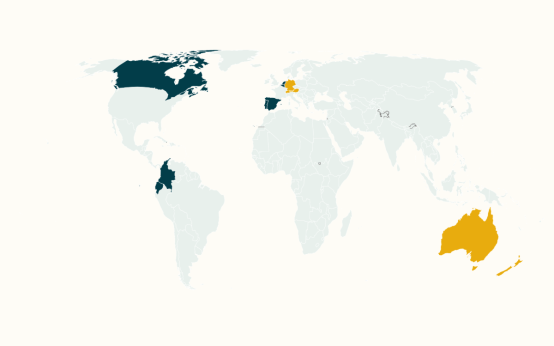 Dutch Review Board’s Euthanasia Ruling and International Debate
  Israeli PM Commends Heroic Actions in Flight Emergency
 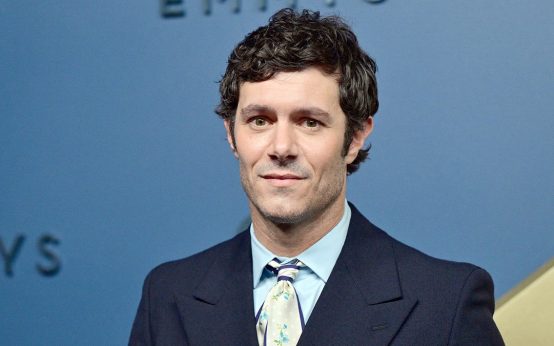 Rabbi and Jewish Leaders Criticize Adam Brody for ‘Genocide’ Comment
  Flydubai’s Emergency Landing Highlights Cockpit Security
 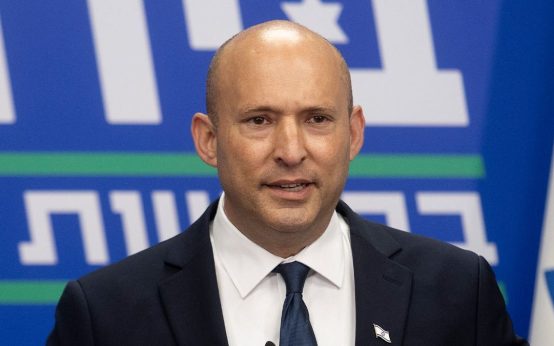 Former Israeli PM Naftali Bennett Commends Passengers and Crew for In-Flight Heroism
  Diplomatic Complexities Unfold at U.S. National Archives Visit