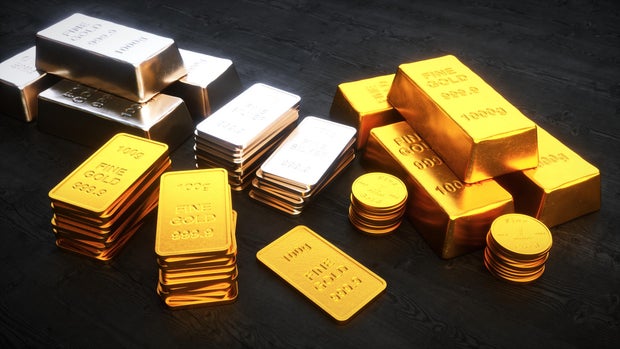
Precious metals, specifically gold and silver, are experiencing significant fluctuations due to various economic factors. One prominent factor influencing these changes is the Federal Reserve’s rate decisions. As we move through 2026, gold surpassed the $5,500 per ounce mark earlier this year, though it has dipped to approximately $4,275 by mid-September. Similarly, silver has seen considerable price changes, driven by changing inflation expectations, interest rates, and overall economic conditions.
The looming Federal Reserve meeting on September 15 and 16, coupled with ongoing inflation, raises the likelihood of another interest rate hike. For investors in precious metals, a rate hike is significant. Adjustments in interest rates influence investor choices and impact the attractiveness of investments like gold and silver. However, the relationship between rate hikes and precious metal prices is complex, affected by numerous factors.
What a Fed Rate Hike Could Mean for Gold and Silver Prices
If the Fed increases rates this September, gold and silver might face short-term pressures. Higher rates often enhance the appeal of interest-bearing assets like bonds and savings products, which can compete with non-interest yielding investments such as gold and silver.
A rate increase could also strengthen the U.S. dollar, creating another hurdle for precious metals. Since gold and silver are priced in dollars, a stronger dollar makes them more expensive for foreign buyers, potentially decreasing demand.
Despite these pressures, a rate hike doesn’t guarantee a drop in prices. Investors often adjust portfolios in anticipation, meaning some effects of the hike might already be mirrored in current prices. If rates rise, the more significant price change may depend on the Fed’s signals about future hikes.
In situations of high inflation, economic worries, or geopolitical tensions, demand for gold might remain strong. Central bank purchases and investor interest could continue to support higher prices.
Silver might react differently due to its industrial uses, especially in technology. Its price is partly linked to global economic strength and industrial demand. If rate increases slow economic activity, it could further affect silver prices.
What Should Gold and Silver Investors Monitor Post-Fed Meeting?
While the Fed’s decision is crucial, subsequent developments may be equally important. Future rate hike prospects, inflation trends, and broader economic signals will influence precious metal prices.
Investors should consider their long-term strategy. Those holding gold as a diversification tool might not need major changes based on a single meeting. Short-term price variations may be less impactful for those view precious metals as a hedge against inflation, currency shifts, or geopolitical uncertainties.
In essence, the Fed’s decisions are just one of many factors affecting precious metal prices. The strength of the dollar, bond yields, geopolitical concerns, and central bank actions can all drive prices in varying directions.
Conclusion
A possible September rate hike may exert short-term pressure on gold and silver by impacting bond yields and the dollar’s strength. Yet, the effect is complex, potentially already reflected in market prices. Persistent inflation, geopolitical uncertainties, and other factors might offer continued support despite rising rates.
Instead of focusing solely on the immediate responses to Fed decisions, evaluating how these metals fit into broader investment strategies is prudent. While volatility may ensue, longer-term impacts might be determined by economic trends and policy signals beyond the immediate rate increase.
 Trump’s 2024 Campaign Targets Young Men Through Cryptocurrency
  How Modern Windows Improve Home Insulation
  State Department Simplifies Passport Process with Online Applications
  Senate Democrats Block Data Center Bill Over Efficiency Concerns
  Future Cities: Ambitious Projects Aiming for Innovation and Sustainability
  High-Profile Hearing and AI Developments: Key Political Moves