Lawmakers in Washington are divided over President Donald Trump’s Iran peace agreement. Some see it as a step towards limiting Tehran’s nuclear ambitions. Others worry it grants Tehran financial advantages without adequate oversight.
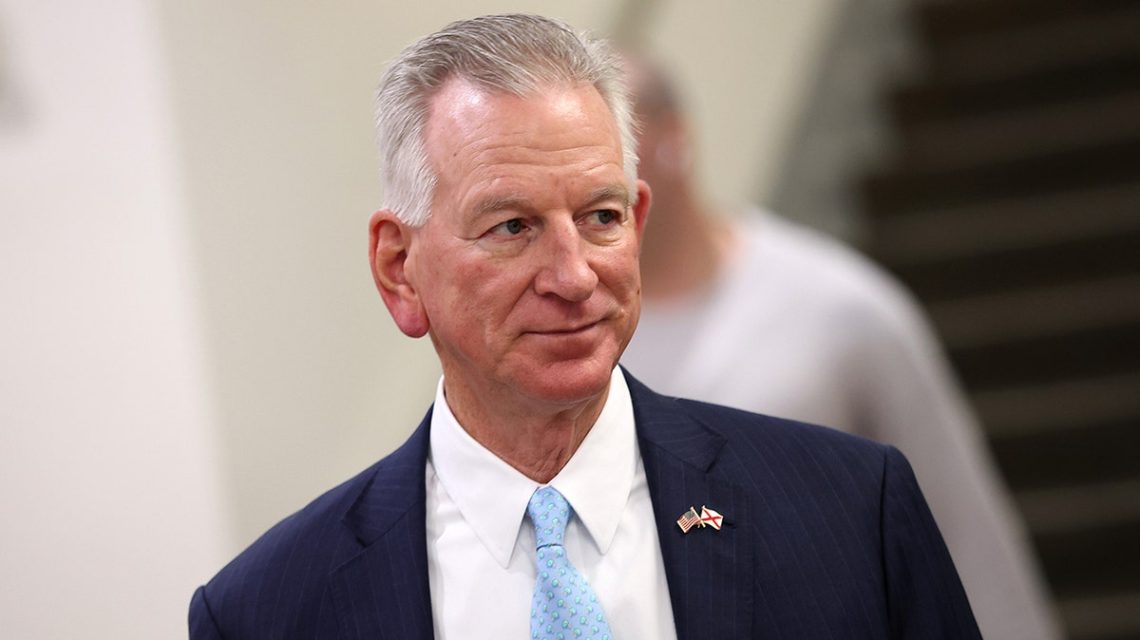
Sen. Thomas Tuberville, R-Ala., expressed optimism regarding the agreement. He emphasized its success in dissuading Iran’s nuclear weapon development without deploying U.S. troops.
“They never can have nuclear weapons and we don’t have troops on the ground and we made a lot of progress,” Tuberville said.
Despite its potential, skeptics question the deal’s effectiveness in dismantling Iran’s nuclear program over a 60-day negotiation. Critics highlight its lack of enforcement power against non-compliance by Iran.
Sen. Richard Blumenthal, D-Conn., voiced concerns about the financial aspect. He pointed out that the $300 billion designated for economic reconstruction could fund terrorist activities.
“I am deeply concerned that we are giving Iran the benefit of hundreds of billions of dollars that can be spent on Hezbollah and other maligned proxies, as well as rebuilding its nuclear program,” Blumenthal said.
He continued by stressing the absence of inspection or verification, labeling the agreement as a potential strategic loss.
The deal includes immediate relief from sanctions and allows access to Iranian funds that were previously frozen. Sen. John Hoeven, R-N.D., stressed the importance of enforcing the terms of the agreement as key to its success.
“From the beginning I said the key is going to be enforcement,” Hoeven stated. “So as we go through this negotiation, the key is going to be how do we enforce it?”
Hoeven called for ally nations to collaborate with the U.S. in enforcing the agreement during the outlined 60-day period.
“I think some of our allies need to step up and join us,” Hoeven stated.
Several senators admitted to not yet reviewing the details of the memorandum of understanding (MOU). They refrained from making detailed comments until they have fully analyzed the document. Sen. John Kennedy, R-La., commented on his need to review it thoroughly.
“I’m going to disappoint you,” Kennedy said. “I’m about a half way through reading the actual MOU and I want to read it several times to try to digest it.”
A number of Democrats claim that the current agreement pales in comparison to the Obama-era Joint Comprehensive Plan of Action (JCPOA), which Trump had exited during his first term.
“I think it looks worse than the Obama deal right now,” Blumenthal stated. “More money goes to Iran, lifting of sanctions, no verification.”
 State Department Simplifies Passport Process with Online Applications
 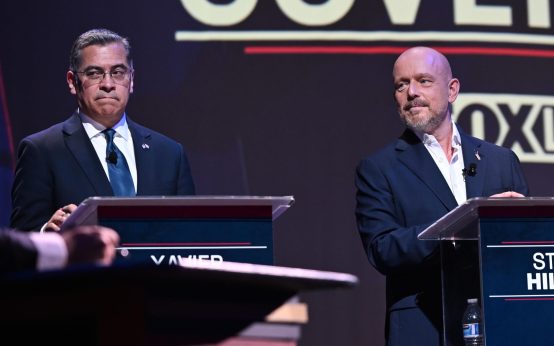 Becerra and Hilton Clash in California Gubernatorial Debate
  California Voters to Decide on $7.5 Billion State Research Fund
 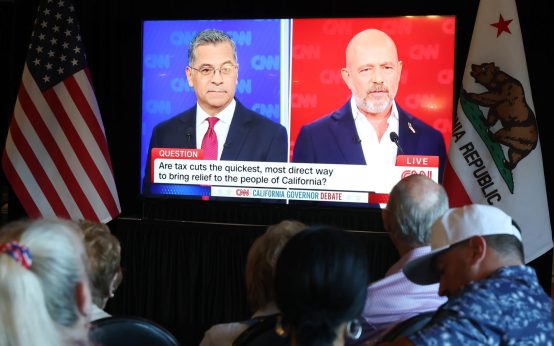 Highlights from the California Gubernatorial Debate: Becerra vs. Hilton
  Becerra vs. Hilton: The Debate and Key Issues in the California Governor Race
  Senate Confirms New Labor Secretary