
The U.S. diplomat quietly arrived in West Africa in mid-June, visiting countries like the Ivory Coast, Gambia, Guinea Bissau, Togo, and Gabon, where he met the president in a palace. Christian Ehrhardt, a State Department official, led this diplomatic effort. He transitioned from security roles to head the Office of Remigration, tasked with managing agreements to deport U.S. migrants to third-party countries.
Ehrhardt, now 41, has visited Africa repeatedly, negotiating with leaders to accept migrants deported from America, even when these individuals are not the countries’ citizens. These “third-country” deportation agreements, initiated under the Trump administration, reflect a hard-line approach to immigration. The Trump team, including Ehrhardt, has committed at least $410 million for agreements with 31 nations, chiefly in Africa and Latin America.
Under these deals, the U.S. sends migrants worldwide with no prior ties to their destination. Initial arrangements transported migrants from countries like China and Iran to Costa Rica, while migrants from places like Vietnam were flown to Eswatini. The agreements were driven by Stephen Miller, the president’s aide focused on strict immigration enforcement.
“Ehrhardt is perceived as a White House envoy,” shared a State Department source familiar with these negotiations.
Under these deals, the benefits for participating countries vary. Documents from the Office of Remigration show that the U.S. has made $81 million in direct payments to 13 governments. Though relatively small in terms of U.S. funding, these sums represent significant financial increases for regimes previously receiving limited U.S. aid.
These third-country deportations mark a significant shift in U.S. foreign policy, reversing its traditional focus on resettling needy refugees. This office name echoes terminology favored by European white nationalists advocating racial minority expulsion. The administration has promised $179 million towards the International Organization for Migration and $124 million for the U.N. Refugee Agency, using these funds to encourage countries to accept deportees.
These arrangements range widely in scope, with nations negotiating various conditions. For instance, Uganda accepts only African nationals while the Democratic Republic of the Congo excludes them. While some countries will accept violent criminals, others, like Ghana, only admit nonviolent offenders.
Despite soaring costs and complexities, such agreements lack robust oversight on spending and migrant treatment. Concerns over abuse assessments include documented reports of torture or unlawful detention in places like Equatorial Guinea and Cameroon.
The Trump administration focused on swiftly implementing agreements, noting limited oversight on expenditures and divisions about how migrants are handled, despite the authoritarian nature of certain regimes involved.
Legal objections arise against third-country deportations as some individuals face serious threats in nations they fled originally. Already, a federal appeals court ruled certain policies unlawful. Despite legal challenges, the Trump administration seems prepared to escalate the issue up to the Supreme Court.
Further controversy surrounds the Trump administration’s reliance on third-country deportations in immigration enforcement. Whether through financial inducements or diplomatic note exchanges, the U.S. sought to expedite deportations, transferring payments across borders despite known corruption risks.
The Office of Remigration emerged from significant organizational changes. An overhaul initially froze foreign assistance and ended thousands of humanitarian efforts, while terminating USAID. Over 4,000 grants were eliminated, cutting down nearly half of humanitarian programs.
A contentious internal memo referencing “remigration” in the early days brought together senior leaders and staff to discuss implications, noting concerns among staff about racist implications. Despite this, leaders asserted the term remained integral, reflecting administration goals.
Driving the policy narrative is Andrew Veprek, overseeing foreign assistance, humanitarian affairs, and religious freedom. Tasked with implementing political vision, Veprek represents a notable alignment with Miller, influenced by their shared anti-immigration stance.
Despite legal provisions allowing certain migrants to remain under asylum protection, a contrast remains between bureaucratic enforcement and humanitarian intent.
Critics raise questions about leverage employed in bilateral agreements, citing examples like Costa Rica’s assisting integration and mitigation efforts. The administration conditioned financial support for third-country agreements on incentives for countries participating.
Despite developments, continued scrutiny warranted concerns over legality, efficiency, humanitarian outcomes, and foundational foreign policy changes. As the administration maintains its position, impacts on human rights and immigration standards remain unresolved.
 State Department Simplifies Passport Process with Online Applications
 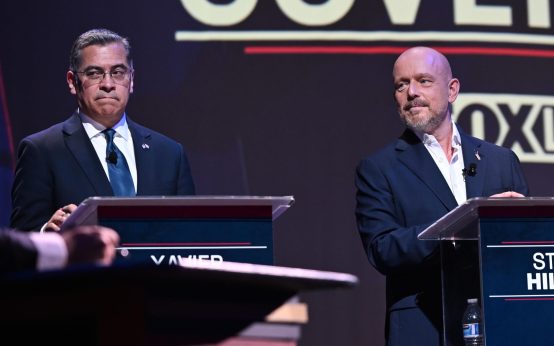 Becerra and Hilton Clash in California Gubernatorial Debate
  California Voters to Decide on $7.5 Billion State Research Fund
 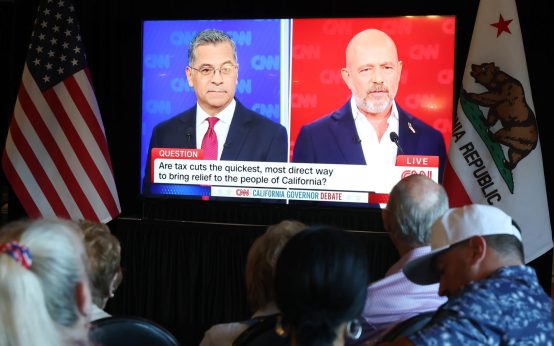 Highlights from the California Gubernatorial Debate: Becerra vs. Hilton
 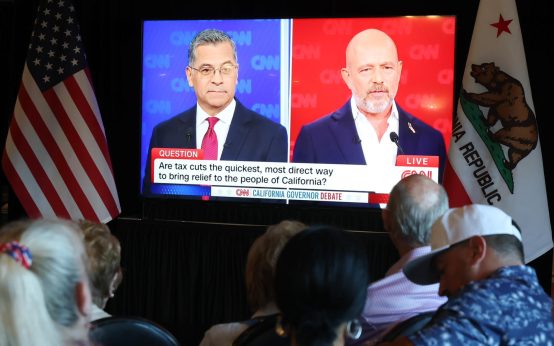 Becerra vs. Hilton: The Debate and Key Issues in the California Governor Race
  Senate Confirms New Labor Secretary