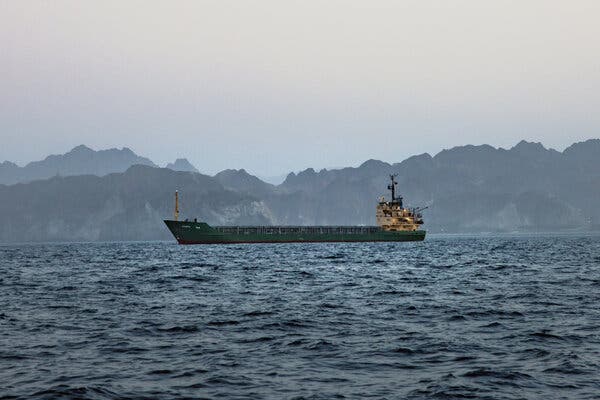
Iran and Oman are advancing plans to charge ships for passing through the Strait of Hormuz. This move comes despite American objections, as confirmed by an Iranian official and several diplomats familiar with the discussions.
The proposal would mark a departure from the pre-conflict arrangement where vessels passed freely, transporting oil and gas from the Persian Gulf worldwide. The American-Israeli attack on Iran on February 28 has significantly altered dynamics in the Middle East, prompting this change.
Before tensions escalated, the Strait of Hormuz was a freely accessible international shipping route between Iran and Oman. However, during the conflict, Iran implemented a blockade on this vital channel, impacting global trade and driving up energy costs.
Iran has since expressed a strong desire to monetize the strait. Recently, Oman presented a formal proposal to the United States and other Western countries, suggesting that shipping companies pay fees for using the strait, as stated by the Iranian official and a regional diplomat.
A source close to American policy confirmed that U.S. negotiators have received the proposal. They have outlined concerns to discuss with Omani officials. All the involved officials and diplomats spoke anonymously due to the sensitive nature of the diplomatic negotiations.
The future of the Strait of Hormuz remains a key point in ongoing discussions between the United States and Iran aimed at establishing a durable peace agreement.
 British Police Arrest Man Suspected of Terror Plot
  Activists Push for Nationwide Ban on Child Marriage in the U.S.
  Investigation into Alleged Incident at Cornell University
  Rising Drone Threats Highlight Vulnerabilities in Moldova’s Airspace Defense
  Bolivia Faces Security Test Amid Unrest
 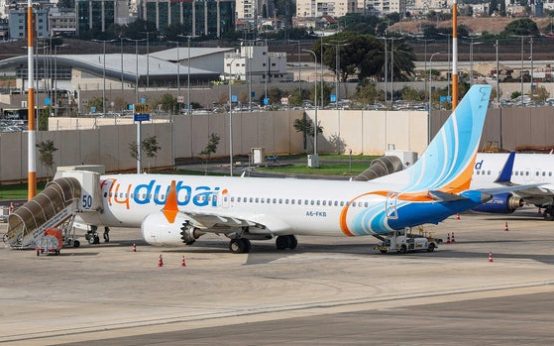 Incident on FlyDubai Flight Raises Security Concerns