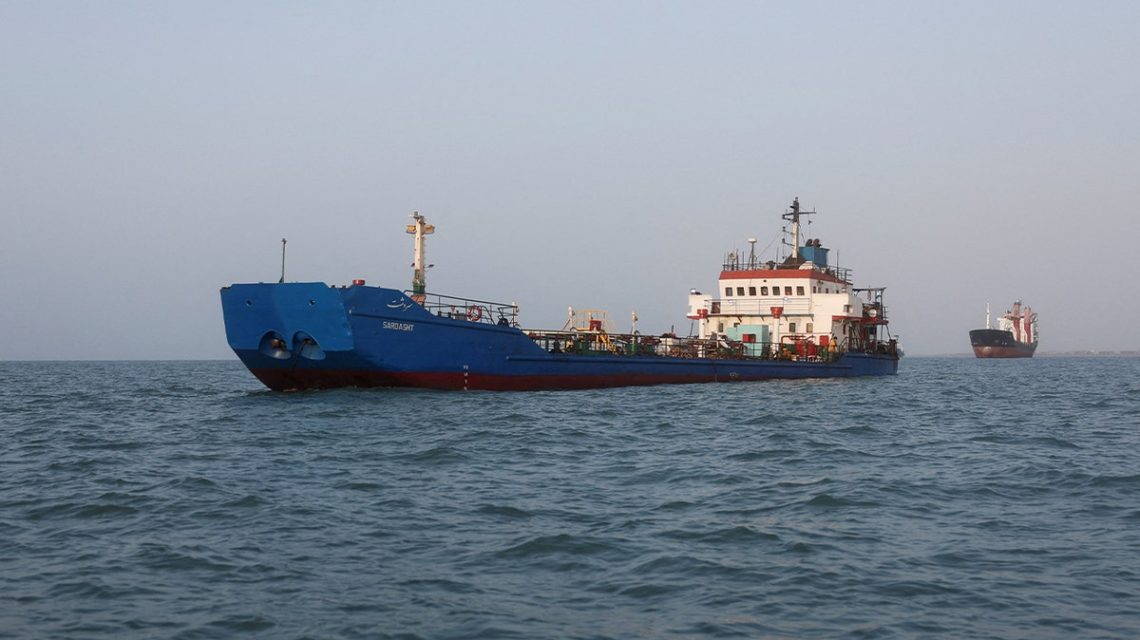
The Iranian government asserts confidence in potential escalation against the United States. However, any aggressive action from Iran would arise from a position of desperation rather than strength. Recently, U.S. Central Command targeted Iranian assets, reflecting a strategic military response.
On September 5, U.S. Central Command destroyed three Iranian tankers in response to provocations. Admiral Brad Cooper stated, “If you shoot at two of our ships, we will impose an even higher economic cost by targeting three of yours.” Shortly after, five additional tankers were destroyed following missile threats against a U.S. Navy warship.
President Trump’s approach combines economic sanctions with targeted military actions, debilitating Iran’s regime capabilities. Although this strategy is not a permanent resolution, it effectively limits Iran’s capacity to threaten the U.S. and its allies. The strikes were specifically a response to Iran’s failed attempts to target American naval forces.
The Iranian regime’s inability to succeed in its military endeavors has been intensified by U.S. and Israeli interventions. Russian and Chinese support for Iran continues but appears insufficient in altering the balance significantly. Monitoring their involvement remains crucial for assessing the conflict’s potential extension.
Diplomatic efforts with Tehran have been dismissed by Trump, who prefers the strategic advantage provided by controlling the Strait of Hormuz and leveraging Iran’s economic collapse. Recent critics of Trump’s Middle East strategy argue that the regime remains hardlined in its nuclear ambitions. However, these assertions overlook the success of imposing sanctions and engaging militarily, thus thwarting Iran’s nuclear progress up to now.
The effectiveness of U.S. military operations in degrading Iran’s military infrastructure and leadership is substantial. The Trump administration continues to disrupt Iran’s resources through naval blockades, sanctions, and targeted military actions. Trump has expressed willingness to authorize further military strikes as needed.
Reports state that U.S. Central Command oversees the safe passage of commercial ships through vital waterways despite military actions against Iran. Operation Epic Fury has significantly undermined the Iranian military’s capabilities.
The Trump administration aims to maintain pressure on the Iranian regime, demanding the removal of enriched uranium and ensuring the Strait of Hormuz remains open. Diplomatic efforts are focused on collaborating with allies like Israel and European nations, advocating regional stability.
Rebeccah Heinrichs, a fellow at the Hudson Institute, offers insights on security issues, particularly relating to missile defense and nuclear deterrence. For additional commentary, follow her on Twitter @RLHeinrichs.
 Sen. Cotton Opposes Permanent Daylight Saving Time
  Steve Hilton’s Latino Outreach and Gubernatorial Ambitions
  The Need for Reform in Presidential Nominations
  Controversy Surrounds Performances at Gillette Stadium
  Celebrity Controversies Over Political Activism and Speech
  The Threat of Melting Glaciers: A Call to Action