Unlocking Frozen Iranian Assets
A signed agreement between Iran and the United States aims to release billions of dollars in frozen Iranian assets worldwide, though officials provide varying accounts on the exact amount and terms.
Location of Iran’s Frozen Assets
Frozen assets refer to funds or financial holdings legally blocked from access or transfer, typically due to sanctions. Iran’s assets mainly include oil revenues and foreign currency reserves housed in foreign banks.
Since the 1979 Iranian Revolution, the U.S. has imposed sanctions and trade restrictions on Iran, later increasing measures due to nuclear program concerns, human rights issues, and support for militant groups in the Middle East. Years of sanctions have severely affected Iran’s economy, resulting in high inflation and currency depreciation. The recent war exacerbates economic challenges, making asset release crucial for providing resources.
Estimates of Iran’s frozen assets vary widely, with Iranian officials suggesting a total up to $100 billion, while others estimate under $50 billion. China reportedly holds the largest portion, ranging from $20 billion to $50 billion, as a leading Iranian oil purchaser. Prior to the JCPOA, India was the second-largest oil buyer. Additional assets are in Iraq, estimated at $15 billion, for electricity and gas purchases. Other countries with frozen assets include Japan, Luxembourg, the U.S., South Korea, Qatar, and Oman.
MOU Provisions on Frozen Assets
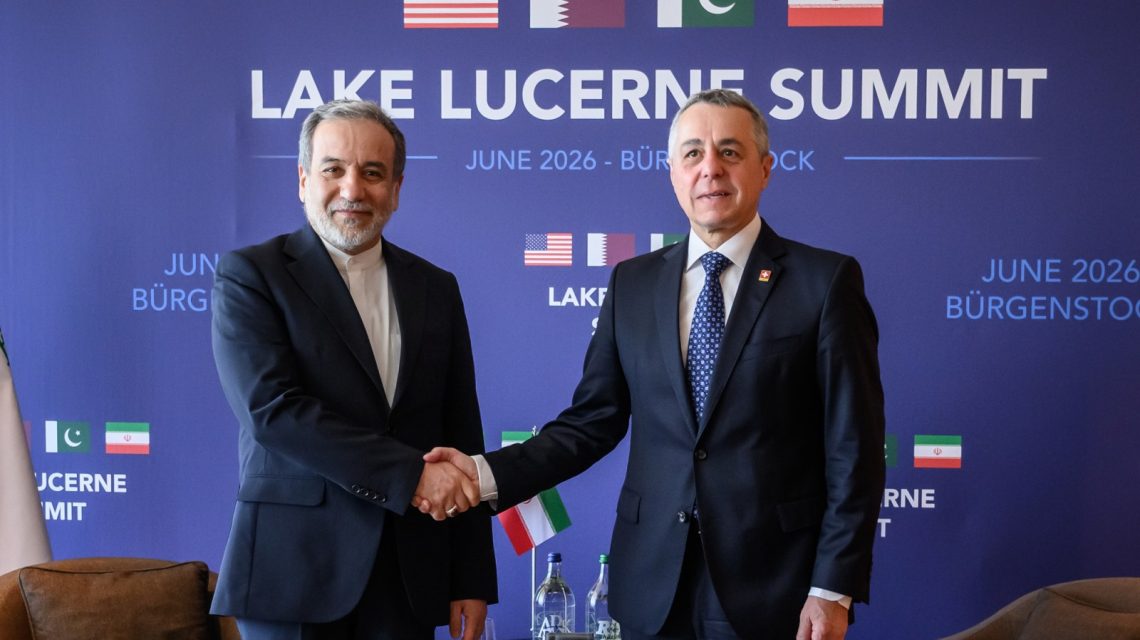
The 14-point memorandum of understanding between Iran and the U.S. contains a provision for the release and utilization of frozen Iranian assets abroad. The agreement was signed on Friday, June 17.
Paragraph 11 of the MOU states: “The United States undertakes to make fully available for use the frozen or restricted funds and assets of Iran upon the implementation of the MOU. The U.S. and Iran will mutually agree on fund release procedures during negotiations. Such funds, whether retained or transferred, shall be made fully usable for payment to any beneficiary designated by the Central Bank of Iran. The U.S. undertakes to issue all necessary licenses and authorizations accordingly.”
Official Statements on Frozen Funds
President Donald Trump suggested that the unfrozen funds should be used to purchase American food products, stating, “All that money’s coming back in the form of purchases of food which they desperately need. They have 91 million people; they can’t feed them. So, the money that we lift is going to go to our farmers.”
In contrast, Iranian officials disagreed with this view. In Geneva, Iran’s UN ambassador Ali Bahreini stated, “Iran is the only country to decide what to do with its assets, which are going to be defrozen, and so I reject any claim about that if there would be any role for any other country to have an influence on those decisions or on those processes.”
Iranian Parliament Speaker Mohammad Bagher Ghalibaf confirmed that the agreement with Washington includes the release of $12 billion in frozen assets, citing reports from The National. Ghalibaf noted the funds would be released in two tranches of $6 billion each.
 Israeli Prime Minister Calls for Comprehensive Security Review of Civil Flights
  U.S. Marine Arrested in Okinawa for Alleged Murder and Robbery
  North Korea’s Missile Test and Its Implications
  Israel and Ireland Soccer Teams Display Tension in Nations League Match
  Fox News Report on FlyDubai In-Flight Incident
  Brazilians Vote in Crucial Presidential Election