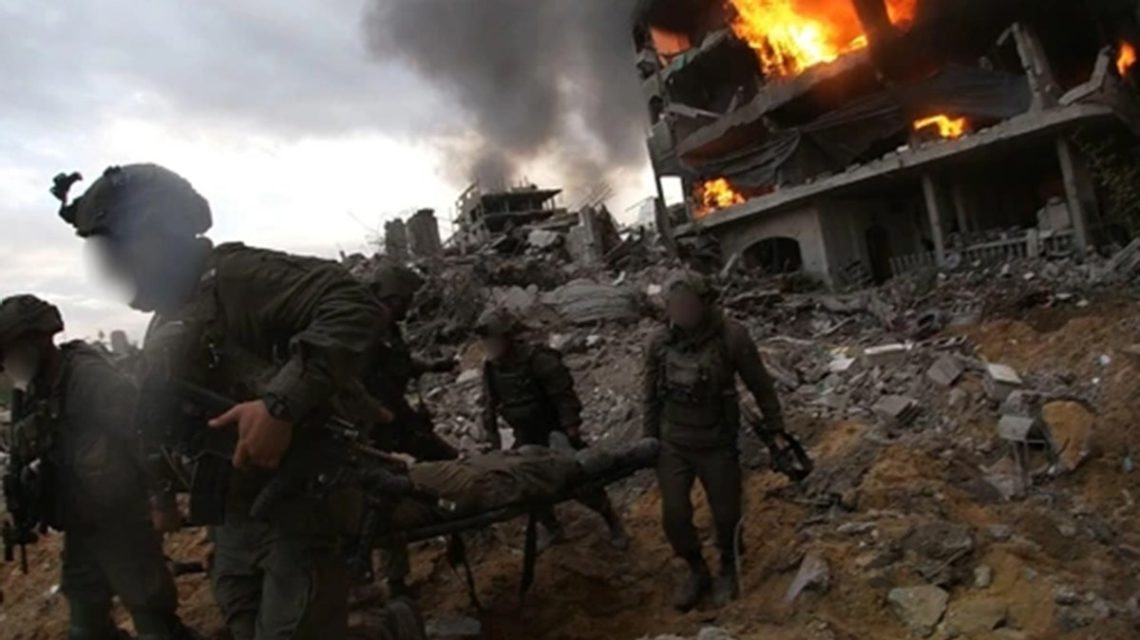
Recent developments in Israeli battlefield medical practices are benefiting both Israeli and U.S. forces. During the ongoing conflict with Hamas in Gaza, Israeli military medical advancements have demonstrated significant success in saving soldiers’ lives. A senior Israel Defense Forces (IDF) medical specialist provided insights on these improvements and their impact.
Advancements in Battlefield Medicine
The 2023 conflict with Hamas began following their incursion into Israel on October 7, resulting in over 1,200 deaths. Among those killed were more than forty Americans, and 251 people were taken captive. As the fighting progressed, the IDF Medical Corps adapted its procedures to include rapid casualty evacuation and innovative medical technologies. These changes were crucial in providing effective treatment under challenging conditions.
During the 2006 war against Hezbollah, advanced life support took 15 to 20 minutes to reach casualties. Now, the IDF can provide such support almost immediately, within four minutes. Having medical personnel, including doctors, on the battlefield enables early critical decisions during care. Additionally, helicopters are vital for transporting seriously wounded soldiers to hospitals promptly.
Rapid and Effective Medical Interventions
Rapid evacuation is another key advancement. Casualties are quickly taken to Israeli hospitals, and there is a heavy emphasis on using blood products to stop bleeding. The IDF is a pioneer in using plasma directly at the injury site instead of traditional methods like salt and water. Implementing a rapid-fire system for delivering blood to injured soldiers has also saved many lives. First responders carry blood in coolers to manage bleeding efficiently.
Improvements in medical response extend to data management. An advanced system ensures that patient data is accessible to all relevant medical officers, enhancing treatment effectiveness. This system has yielded excellent results, reflected in a decreased case mortality rate—from 15% during the 2006 conflict with Hezbollah to 7.1% in 2023.
Collaboration with the U.S.
Israel’s approach relies on a fundamental study by the U.S. titled ‘Death on the battlefield (2001–2011): Implications for the future of combat casualty care’. This study analyzed U.S. medical aid during the Iraq war. Dr. Marc Siegel, a senior medical analyst for Fox News, highlights that advances like surgical techniques and burn treatments being developed in Israel benefit global medical practices.
The IDF and U.S. Army have maintained a cooperative relationship in advancing battlefield medicine. A 2026 U.S. military report titled ‘Israeli Defense Force Medical Lessons Learned’ emphasizes the importance of adopting Israel’s advancements. The American military stresses the need for preparation, urging that clinical and tactical skills alone are not sufficient.
An IDF spokesman noted that the American study of Israel’s emergency health care providers during conflicts was a collaborative effort, with American officers visiting to learn from the IDF’s experiences.
 Pope Leo XIV Criticizes Death Penalty and Pentagon’s Execution Plans
 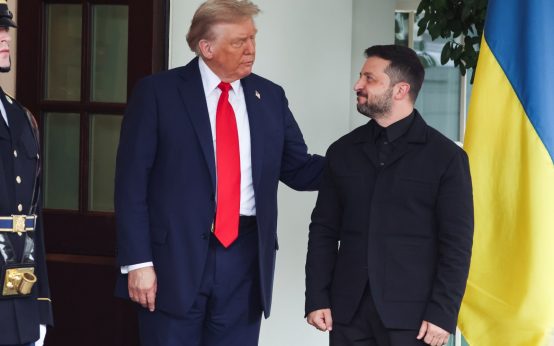 Trump Calls for Zelensky’s Replacement Amid Escalating Tensions
 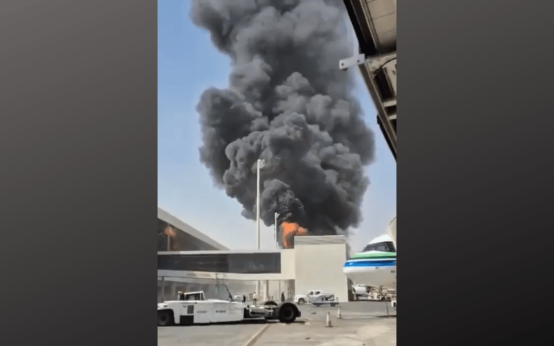 Riyadh Airport Missile Strike Prompts Evacuations and Disrupts Flights
  Hurricane Isaias: Widespread Impact on the Southeast
  Police Investigate Fatal Shooting in South Georgia
  Severe Weather Impacts: Hurricane Isaias and Its Aftermath