
This week, allegations against judges in different states have raised questions about judicial misconduct and accountability. These incidents have highlighted the challenges in maintaining the integrity of the judiciary.
Allegations Against Georgia Judge
In Georgia, articles of impeachment were filed against U.S. District Judge Eleanor Ross. She has been accused of engaging in sexual activities in her chambers and attending a politically charged event. These accusations have led to increased scrutiny of the judiciary’s system for self-policing misconduct.
Georgia Republican Rep. Andrew Clyde spearheaded the impeachment efforts, criticizing Ross for compromising integrity and impartiality. Clyde argued for her removal, citing her actions as evidence of unfitness for office.
Idaho Judge Under Investigation
In Idaho, Judge Ryan Nelson is undergoing investigation following a parking lot altercation. Accused of breaking a fellow motorist’s eyeglasses, Nelson faces a battery charge. Although the incident remained unreported for months, Ninth Circuit Chief Judge Mary Murguia recently initiated an investigation. Nelson has publicly apologized and expressed embarrassment.
Michigan Judge’s Legal Issues
Another case involves Judge Thomas Ludington from Michigan. He allegedly violated his probation terms by missing mandatory alcohol tests. Ludington had previously been arrested for driving under the influence and took paid leave after reporting the misdemeanor charge.
Ludington’s lawyer insists on his compliance with all court orders, asserting sobriety as confirmed by recent tests.
Judicial Oversight and Reactions
These incidents have sparked discussions about the judiciary’s ability to effectively police misconduct. The system for handling judicial wrongdoing involves measures such as apologies, training, and potentially severe actions like impeachment. However, only 15 federal judges have been impeached in U.S. history, leading to debates around transparency and accountability.
Critics argue that judges evade significant consequences due to their protected status. Aliza Shatzman from the Legal Accountability Project criticized lenient outcomes, asserting that punitive actions in other workplaces are not mirrored in the judiciary. The process is seen as opaque by some, harming public trust in judicial self-policing mechanisms.
Retired Judge Diane Wood defended the system, suggesting its efficacy. She contended that decisions made by the Judicial Conduct and Disability Committee were legitimate.
The case involving Judge Ross mirrors past judicial controversies, such as that of Judge Joshua Kindred in Alaska, who resigned after similar accusations. Experts emphasize the necessity of transparency and clarity in judicial processes to foster public confidence.
NPR’s investigation into judicial authority over law clerks exposed ongoing issues within the judicial system, further underscoring the need for reform.
 Immigration Judge Allows Deportation of Wisconsin Mosque Leader Salah Sarsour
  Lindsay Clancy Faces Potential Retrial After Mistrial
  Tennessee Prepares for Rare Execution of Woman on Death Row
  Mistrial in Lindsay Clancy Case: Juror Speaks Out
 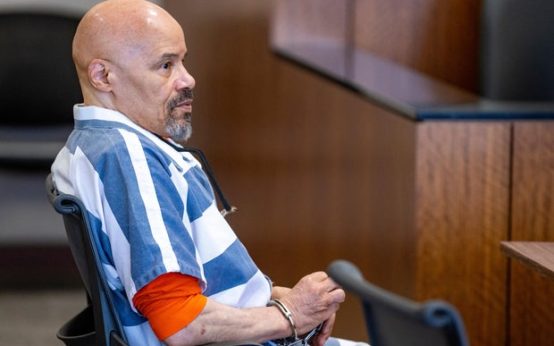 Utah Judge Orders Release of Man on Death Row After DNA Evidence Emerges
  Kurt Olsen Resigns from the Justice Department Amid Investigation