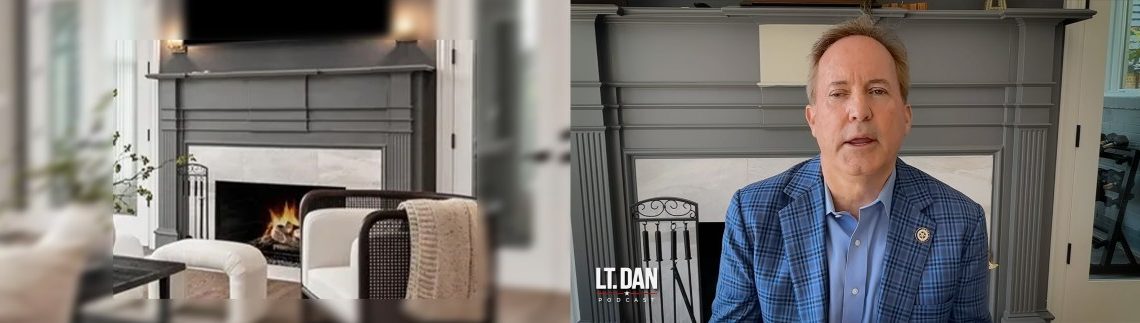
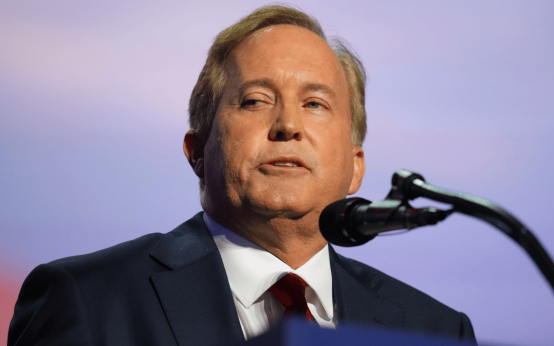
Two weeks before primary elections, Texas Attorney General Ken Paxton introduced a tip line for reporting suspected voter fraud. He emphasized the importance of free and fair elections, pledging to use his office’s authority to tackle illegal voting activities.
Guidance from his office outlined Texas election laws. These included the need to be a U.S. citizen to vote, prohibitions on collecting mail ballots for others, and directives against misleading residence details for electoral influence.
However, Paxton himself has been accused of using an address where he does not reside for voting purposes over the past two years. This includes his participation in May’s runoff election, which secured his nomination as the Republican candidate for U.S. senator.
A divorce filing from State Sen. Angela Paxton in 2025 highlighted that Paxton moved out from their house in Collin County. Despite this, Paxton’s voter registration still states the Collin County address. She has declined to comment, and a source suggests Paxton hasn’t lived at the home since moving out.
Records indicate a connection to a Denton County property since February. Election lawyers believe Paxton might have violated Texas residency laws related to voting.
ProPublica and The Texas Tribune have attempted to contact Paxton’s campaign multiple times for clarity regarding his continued registration in Collin County and his ties to the Denton property.
Paxton’s spokesperson, Madison Cercy, defended him as a leader in election integrity but did not address specific inaccuracies suggested in reports.
Voting as an ineligible voter is a felony in Texas, with penalties including up to 20 years in prison and fines. Prosecutions are rare, as residency claims are challenging to prove.
State courts recognize no single definition for residency. Judges evaluate several factors, such as where an individual sleeps or keeps belongings, and whether temporary absence warrants exception.
Paxton’s separation from his wife could complicate claims of intent to return to their shared home, according to David Becker, director of the Center for Election Innovation and Research.
Despite Paxton’s role in enforcing election laws, his actions raise concerns due to his advocacy for strict fraud enforcement. In 2018, his office prosecuted nine individuals in Edinburg, Texas, for falsifying residency for voting, though charges were later dismissed.
Questions about Paxton’s voting practices arise amid state privacy laws that allow certain politicians to conceal voter registration data.
His Senate opponent, James Talarico, practices privacy for his voter registration. Talarico criticizes voter security measures he views as overly restrictive.
Reports suggest Paxton’s presence in a Denton County home linked to a blind trust owned by him and state Sen. Angela Paxton. The trust purchased a property in a gated community, though ownership was not disclosed.
Trustee Chip Loper has not commented, and Angela Paxton denies connections to the trust or the Denton property.
Witness accounts and a podcast appearance show Paxton in the Denton County location, allegedly moving in with Tracy Duhon following the divorce filing.
Professor Ekow Yankah suggests Paxton’s situation should highlight the rarity of intentional illegal voting, urging caution against interpreting such situations as criminal intent.
Joshua Blank of the University of Texas at Austin underscores that Paxton should model compliance with laws he enforces, raising alarms over his apparent difficulties engaging in the legal voting process.
 Trump’s 2024 Reelection and Evolving Voter Dynamics
  Defense Secretary Emerges as Key Player in the Trump Administration
  Hegseth’s Vision for the Military: Balancing Tradition and Innovation
  Significant Funding Boosts Ken Paxton’s Texas Senate Campaign Amid Tight Race
  U.S. States Extend Gas Tax Waivers Amid Rising Fuel Costs Due to Iran Conflict
  USCIS Raises Immigration Fees