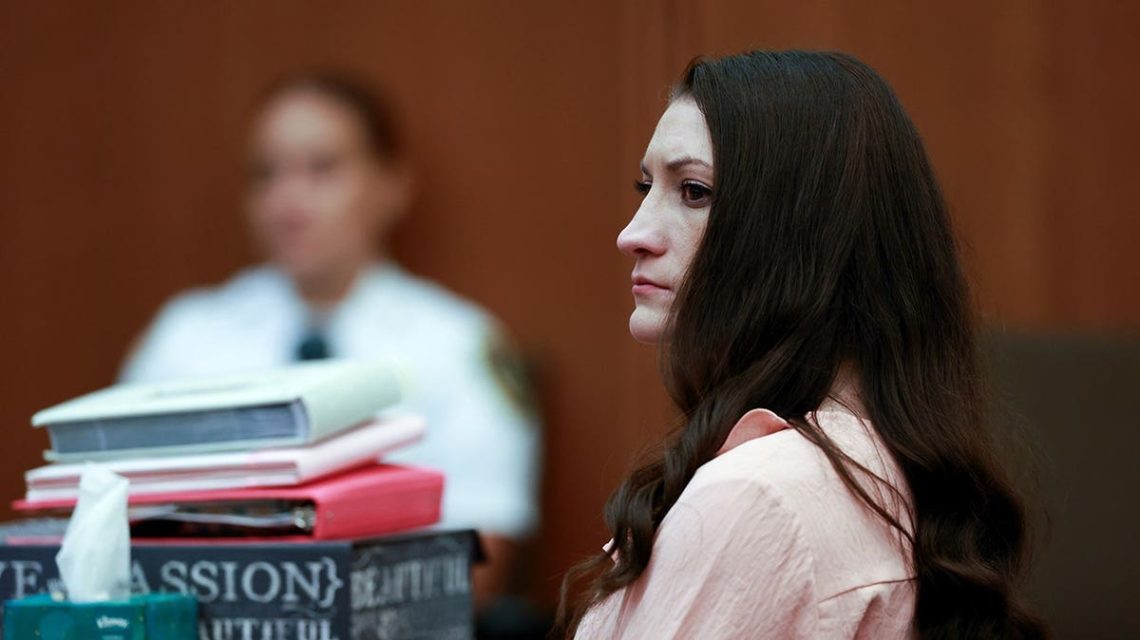
PLYMOUTH, Mass. — The legal proceedings in the Lindsay Clancy case continue with the court expected to address arguments related to her double jeopardy motion. This comes as the decision to investigate the lone holdout juror in her previous mistrial remains uncertain.
Clancy’s Court Appearance
Lindsay Clancy is set to appear in person at court following the previous trial’s result in a deadlocked jury, which led to a mistrial announcement on September 4.
The case has garnered national attention, with Clancy’s fellow jurors and her defense attorney expressing dissatisfaction over the jury’s inability to reach a unanimous decision. The Plymouth County District Attorney, Tim Cruz, has not disclosed specific plans about a retrial.
Defense Seeks Investigation of Holdout Juror
Clancy’s defense attorney, Kevin Reddington, advocates for an investigation into Michael Desronvil, the lone holdout juror he terms ‘the obstructionist juror.’ Desronvil stood alone against the other jurors, maintaining a guilty verdict stance.
Desronvil’s lawyer, Edward Paltzik, reported that both Reddington and Plymouth County prosecutors have agreed to adjourn the motion to allow for adequate time to gather necessary materials. This delay reflects a coordinated effort by both parties to respect due process.
“The DA and Reddington have consented to adjourn the motion,” Paltzik stated.
The motion remains active, awaiting a ruling by Judge Sullivan. Reddington confirms the continuation of the motion, emphasizing the mutual decision was made to accommodate local counsel representing the juror.
Implications of Legal Terms
Retired Massachusetts Judge Carol Erskine distinguishes between ‘adjournment’ and ‘continuance,’ noting their different implications. While an adjournment may imply an indefinite delay, a continuance typically seeks a new date for proceedings.
Reddington’s actions align with standard legal practice for such instances, as he pushes for a possible Fidler hearing.
Potential Legal Outcomes
Should the motion proceed, Judge Sullivan could conduct a Fidler hearing to evaluate Desronvil’s judgments. This involves an inquiry into any external influences affecting jury decisions and determines the necessity for a second trial.
The legal requirement of manifest necessity governs the decision to conduct another trial, with Reddington likely preparing for possible future appeals.
Prospects for Legal Actions
The holdout juror’s options potentially include pursuing legal claims against Clancy’s team. Reddington has challenged Desronvil’s conduct, citing alleged personal motives without substantiation in the jury room.
Reddington discounted speculation regarding a defamation lawsuit, referencing the complexities inherent in defamation law and the protections granted to court statements.
Next Steps
New York-based attorney Mark Bederow speculates that further legal maneuvering concerning double jeopardy and jury inquiries may not yield significant developments.
Most notably, the district attorney’s prospects for retrying the case appear unlikely given the initial trial outcome. However, the prosecution may pursue enhanced efforts in future proceedings.
Reddington remains committed to his client’s defense, persisting in motions beneficial to Clancy’s interests.