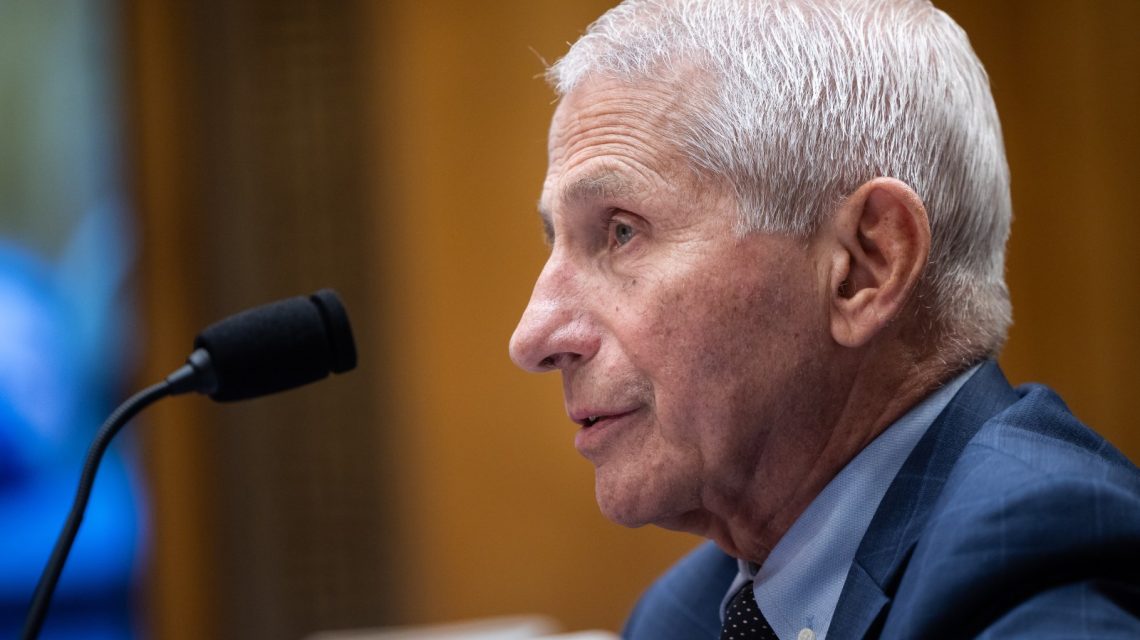
Fauci’s Invocation of Fifth Amendment Rights
Dr. Anthony Fauci invoked his Fifth Amendment rights during a Senate hearing. This move stirred debate and drew comments from various political figures. Senator Josh Hawley criticized Fauci’s decision, equating it with an admission of guilt. Legal experts, however, argue otherwise. Kimberley Wehle, a law professor, explained to Newsweek that invoking the Fifth Amendment is not legally an admission of guilt. This constitutional right protects individuals from self-incrimination.
Fauci cited legal advice for his decision to plead the Fifth. Some Republicans criticized him for this choice, pointing out that former President Donald Trump used the same protection. Trump reportedly invoked the Fifth hundreds of times during a civil fraud investigation led by New York Attorney General Letitia James. These comparisons raise questions about the interpretation of this legal protection.
Understanding the Fifth Amendment
The Fifth Amendment’s purpose is clear: protecting individuals from compelled self-incrimination. Any person fearing that their answers could lead investigators to evidence of a crime might invoke this right. This is a recognized protection in various legal contexts, including criminal investigations and congressional testimony. It is not exclusive to defendants but extends to witnesses and officials as well.
David Super, a Georgetown Law and Economics professor, noted the similarity between Fauci’s and Trump’s invocation of the Fifth Amendment. This constitutional right is a safeguard against prosecutorial pressures.
Trump’s Use of the Fifth Amendment
Trump’s history of pleading the Fifth Amendment is well-documented. During a deposition in James’ investigation, he invoked this right over 440 times, only responding with his name. Trump had previously explained his stance, defending his decision within the context he claims was politically motivated.
In legal proceedings since then, a New York judge ruled against Trump for fraudulent asset valuation. Although penalties were initially imposed, later appeals reduced financial repercussions.
Trump also invoked the Fifth Amendment during his divorce proceedings, showcasing a history of relying on this constitutional safeguard.
Political Reactions to Fauci’s Testimony
Following Fauci’s Senate appearance, Trump criticized Fauci’s decision to invoke the Fifth Amendment. He contrasted Fauci’s influence between his administration and Biden’s, framing it within the context of pandemic policies.
Further criticism from Trump emphasized Fauci’s controversial decisions during the pandemic. His comments also reflected personal and administrative disagreements.
In his remarks, Trump also referenced prior instances where pleading the Fifth had been relevant, including Bill Clinton’s impeachment proceedings.
Implications and Investigations
Senator Rand Paul spearheaded the hearing that preceded Fauci’s invocation of the Fifth Amendment. Paul announced forthcoming votes on whether to hold Fauci in contempt for his refusal to testify.
Critics argued that the hearing aimed to trap Fauci into possible self-incriminating statements, which could lead to prosecution or litigation.
Fauci’s legal counsel supported his decision, asserting its validity and solid legal ground. Senators and legal experts expressed varying opinions on the potential ramifications of Fauci’s testimony and ongoing investigations into pandemic responses.
 Brazil’s Presidential Race Heads to Runoff
 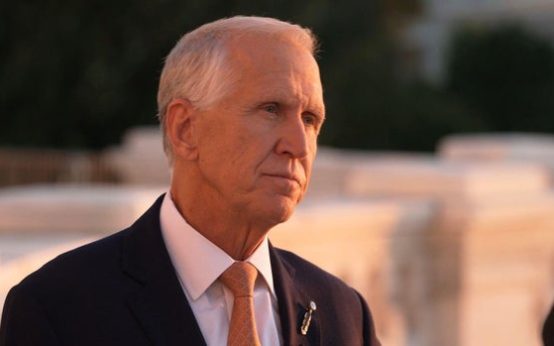 Sen. Thom Tillis Criticizes Trump’s Administration in New Book
  Controversy Surrounds Steve Hilton’s Campaign Ad Amid Gubernatorial Race
 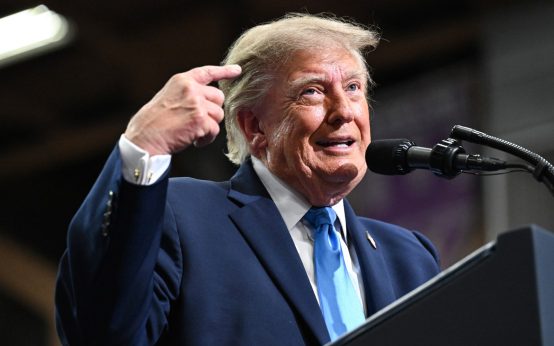 Trump Calls for Probe into Alleged ‘Paid Protesters’
 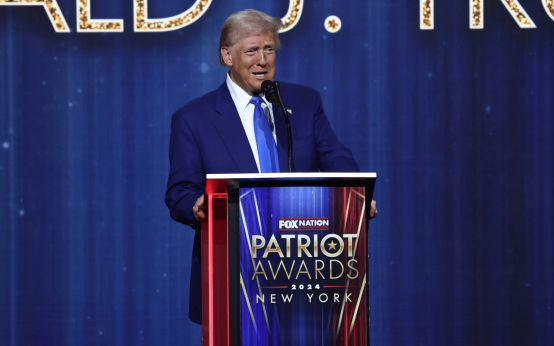 Donald Trump Criticizes Fox News for Rally Coverage
  Rahm Emanuel Advises Against Impeaching Trump and Calls for Ethics Reforms