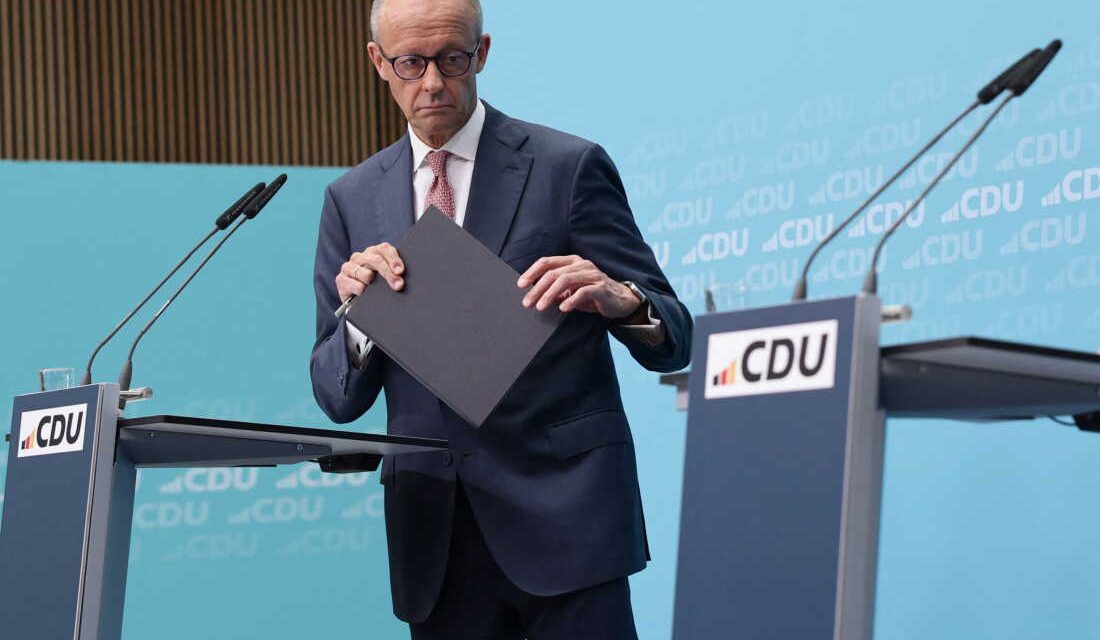
In Berlin’s bustling markets, pensioner Ute Istock observes the extensive variety of apple types. She likens it to the numerous candidates in recent city elections, expressing concerns about the implications. “Voting has become tricky,” Istock notes, emphasizing the difficulty in predicting how parties will govern effectively due to the proliferation of parties and challenges in forming viable majorities.
Germany’s political center struggles for significance amid recent gains by far-right and far-left parties. Istock, who cast her vote for the far-left Die Linke party for the first time, feels disconnected from centrist parties. This sentiment reflects a broader trend of confrontational voting, driven by a lack of representation from the political center.
This voting pattern echoes a historical period marked by political fragmentation and a fragile economy, reminiscent of the era that precipitated the rise of fascism nearly a century ago. Chancellor Friedrich Merz, leading the center-right Christian Democratic Union (CDU), faces challenges as his party suffered significant losses in the Berlin and state elections.
Merz points to declining trust in state institutions, which radical parties exploit. The CDU, which governs with the center-left Social Democrats, now depends on slim majorities, making the parties seem indistinguishable. Social Democrat Matthias Mirsch emphasizes the reductive nature of political discourse following the far-right Alternative for Germany (AfD) winning a significant victory in Saxony-Anhalt. “It’s damn difficult to govern in these times,” Mirsch remarks, highlighting the polarization in political debate.
Berlin-based communications adviser Maximilian Flügge notes that social media algorithms, designed to amplify outrage, contribute to this narrowing of political discourse. According to Flügge, these algorithms are ill-suited for promoting the nuance and compromise needed by the political center, as such content rarely gains traction on social media.
Despite electoral setbacks, Merz remains determined, rejecting speculation about his potential replacement. He pledges to proceed with tax and welfare reforms aimed at revitalizing Germany’s economy. Acknowledging the need to connect emotionally with the public, Merz admits that statistics alone won’t suffice in promoting his reform agenda.
Flügge criticizes Merz’s centrist government for its negative messaging, contrasting it with the AfD’s optimistic promises, albeit ones that include controversial policies such as “remigration” — mass deportations, even of immigrants holding German citizenship. Merz, critical of such policies, labels “remigration” a euphemism for ethnic cleansing. This statement sparked both applause and jeers in the Bundestag, revealing the deep divides within German politics.
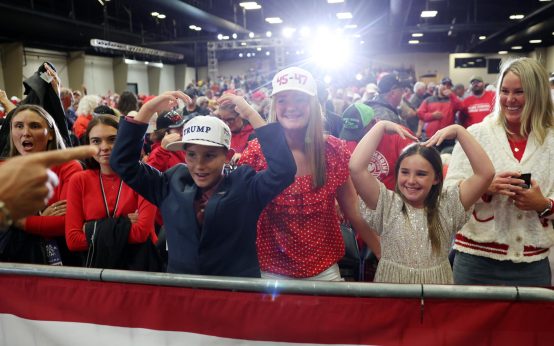 Trump Rallies Support in GOP Strongholds as Midterm Elections Approach
 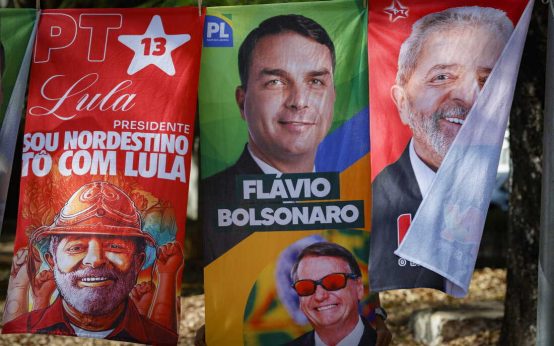 Brazil’s Next Election: Familiar Faces and High Stakes
 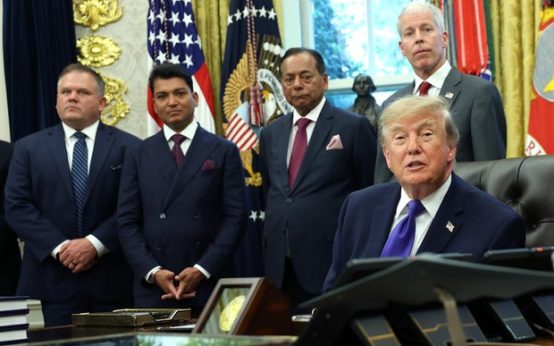 Iowa Steel Plant: Incentives and Political Maneuvering
  Strategies for Democrats Leading Up to Election Day
 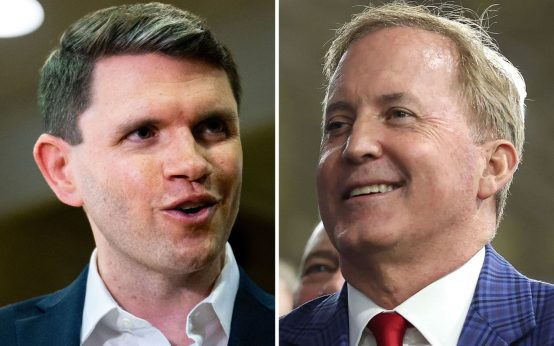 Texas Senate Race: The Impact of Trump on Ken Paxton’s Campaign
 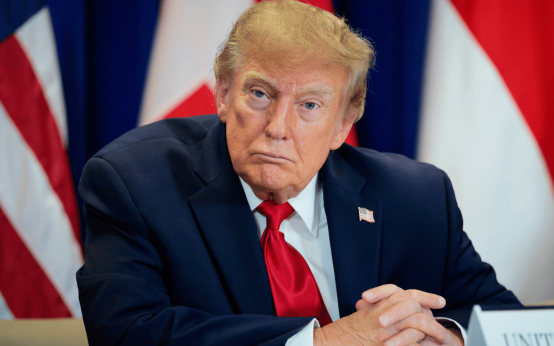 Trump’s Approval Rating Struggles Ahead of Midterms