
Mayor Brandon Johnson’s key aide, Jason Lee, played a notable role in a contentious dispute between the health commissioner and a nonprofit group, Acclivus Inc., concerning mishandled public funds designated for antiviolence initiatives. The situation began after a Chicago Department of Public Health review unearthed issues surrounding data tracking by recipients of community violence interruption grants.
The city’s health commissioner, Dr. Olusimbo Ige, expressed concerns about the nonprofit’s attempts to sidestep municipal contracting and payment protocols. Acclivus, known for its political connections, strongly contested the audit’s findings and engaged with the health department, which administers the city’s antiviolence funds.
Unusually, Johnson’s senior adviser, Jason Lee, became involved in the situation concerning an $8 million grant overseen by a different department. Johnson’s campaign has financially supported Acclivus, which also employs Bamani Obadele, a South Side activist whose consulting work has benefited Johnson and Ald. Pat Dowell, among others.
During disputes over the organization’s funding, Acclivus sought Lee’s intervention by copying him in emails. Lee intervened promptly, advocating for resolution and included Johnson’s chief of staff, Cristina Pacione-Zayas, in the discussions. He attended a meeting with the health department officials where Acclivus’s CEO, LeVon Stone, challenged the audit’s assessments as wholly unreasonable.
Months of friction led to Ige’s consideration of not renewing Acclivus’ contract, despite Regan and Johnson’s spokesperson denying favoritism or breaches in bidding rules. The audit’s focus centered on discrepancies in the awarded contract and scope of work amounts.
Records revealed Lee’s involvement aimed at preventing delays post the 2026 budget approval. Heightened funding was allocated to Metropolitan Family Services over Acclivus, according to Novelo’s statements, detached from mayoral intervention.
Regan and Novelo questioned the audit’s legitimacy as the health department audit of Metropolitan Family Services showed no similar conflict. Further claims by Ige emphasized Acclivus’s preference for bypassing city proposal processes, a stance denied by Regan.
City officials from the previous administration faced similar disputes regarding Acclivus, raising bias concerns within CDPH’s leadership noted by Regan. Records illustrate political campaign connections to Acclivus executives with attempts for direct funding becoming contentious under Lightfoot’s mayoralty.
Mayor Johnson’s political fund contributed $25,000 to Acclivus amidst a competitive bidding process, with conjectures linking the occupation of nonprofits and campaign donations affecting fund allocations. Regan affirmed these funds remained unspent within the nonprofit’s reserves.
Stone, Acclivus’ CEO, communicated with Johnson multiple times, corresponding on topics including payment methods while other figures involved supported the mayor through political contributions, showing Johnson’s breadth of connections to Acclivus.
Lee’s inclusion in meetings sparked discussions around mayoral involvement in specific nonprofit contracts, with advocacy for clarity and efficiency in proceedings amidst numerous city administration changes.
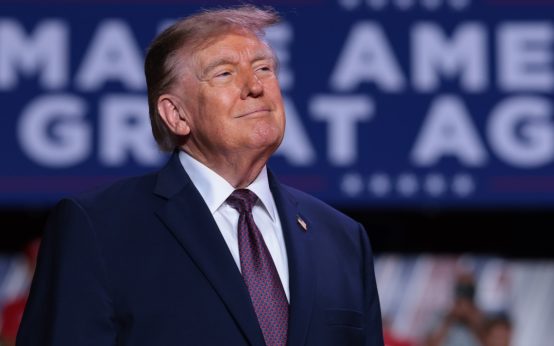 Trump Announces $100 Checks for Seniors to Aid Medicare Part B Premiums
 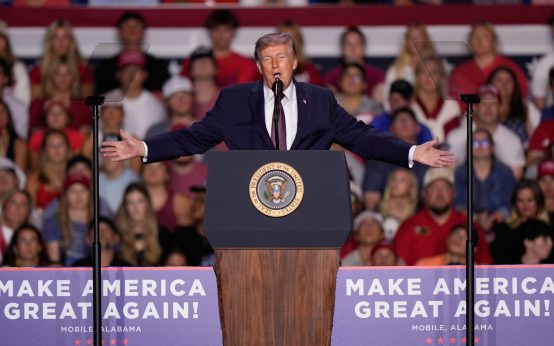 Trump Suggests His Name for Major Alabama Bridge Project
  California’s Challenges: Solutions Needed at State Level
  Protests Against Proposed Trump Arch in Washington D.C.
 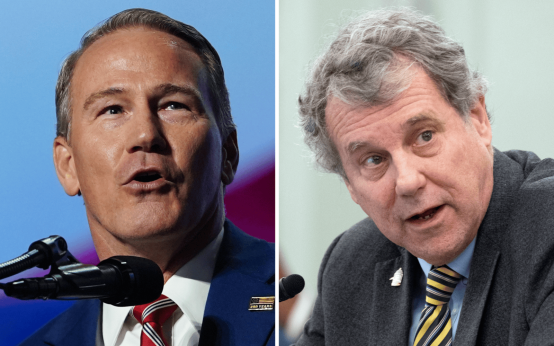 Republicans Boost Spending in Ohio Senate Race Amid Growing Concerns
 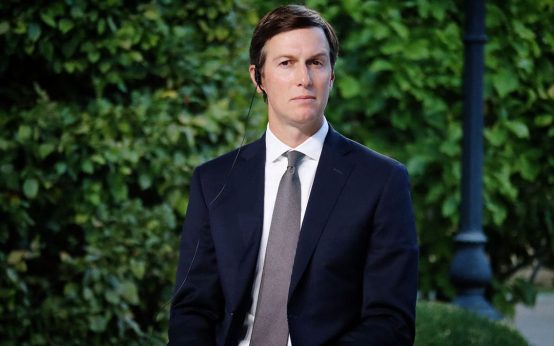 Kushner Criticizes CNN Article Over Claims of Conflict of Interest