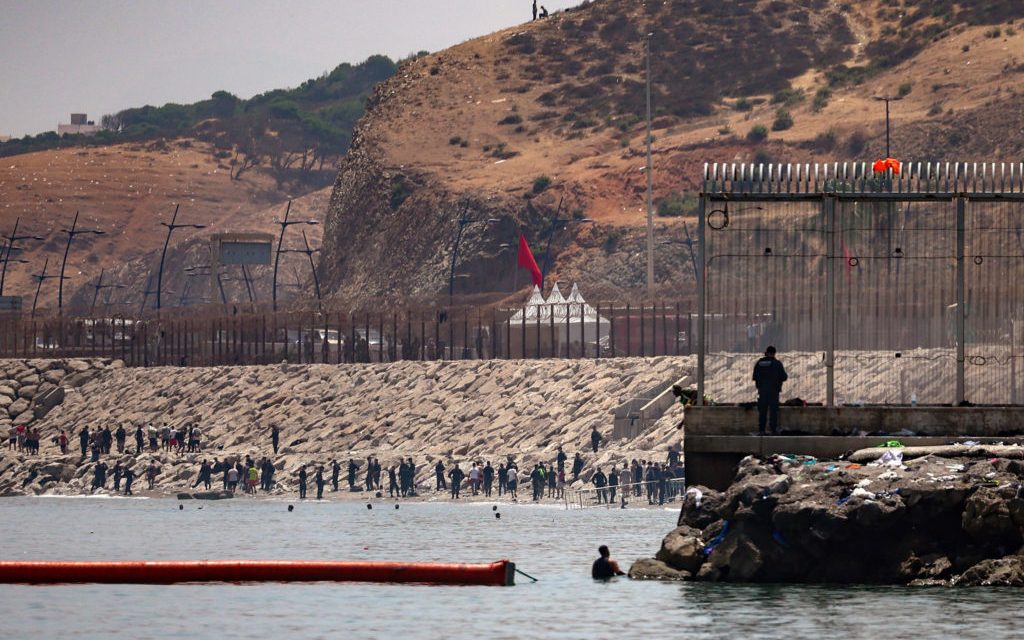
Spain reinforced its border with Morocco by installing a 500-meter barrier at Ceuta. This action followed the crossing of tens of thousands of migrants into the region. The Spanish government reported at least 67 deaths among the migrants, including those who drowned or were killed in a stampede.
The sudden influx of 50,000 to 60,000 migrants created a crisis, prompting an intense debate on immigration in Europe. Although many returned quickly, critics accused Spain’s socialist government of mishandling the situation. Ceuta, a Spanish territory since 1580, is strategically located at the entrance to the Mediterranean.
Spain’s approach to migration emphasizes granting legal status to workers without authorization. This policy contrasts with others in the EU and the U.S. that focus on deportation. Prime Minister Pedro Sánchez criticized calls for Spain’s suspension from the EU’s Schengen zone, attributing them to prejudice and misinformation.
In recent years, Spain has had fewer illegal migrants than Italy and Greece. Some migrants returned to Morocco, retracing their steps across the border, where Spanish soldiers escorted them back.
Interior Minister Fernando Grande-Marlaska addressed the breach, pointing to the need for evaluation by both Spain and Morocco. He emphasized Morocco’s cooperation in resolving the crisis, dismissing any threats to Spain’s territories.
EU’s Call for Unity
European Union leaders proposed discussions for a unified response to Ceuta’s crisis. A letter from the Danish prime minister’s office stressed the importance of controlled immigration policies, warning against perceptions of illegal crossings leading to legitimate stays.
Leaders from several EU countries, including Italy, Denmark, and Germany, signed the letter seeking a coordinated strategy. Italy temporarily reinstated border controls for people arriving from Spain.
Sánchez also reached out for collaborative talks among EU interior ministers to reinforce the shared responsibility of guarding external borders.
Migrants’ Return and Local Impact
Hundreds of migrants continued to return to Morocco. They reported poor treatment and conditions in Ceuta, with many lacking food and shelter. Some were from sub-Saharan Africa, but most were Moroccan. Migrants described hardships, often sleeping outdoors and enduring hunger.
Life in Ceuta experienced disruptions, with locals noting the unsettling impact on daily routines. Spain had increased its military presence, engaging in clashes with migrants attempting to enter from Morocco. Burned vehicles and lingering smoke marked the aftermath of these conflicts.
Nevertheless, some migrants remain adamant about staying. Mohamed Hatri expressed determination despite difficulties. Spain’s efforts to stabilize the situation continue as officials work to manage the aftermath.
 The Threat of Melting Glaciers: A Call to Action
 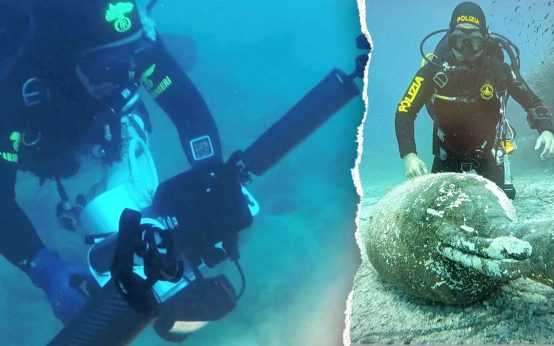 Police Discover Ancient Roman Artifacts Off Sardinian Coast
 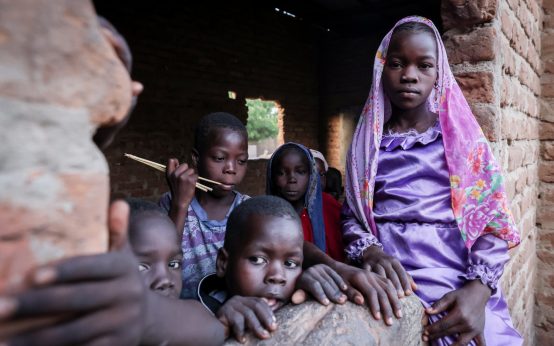 Urgent Need for Action in East Africa’s Food Crisis
 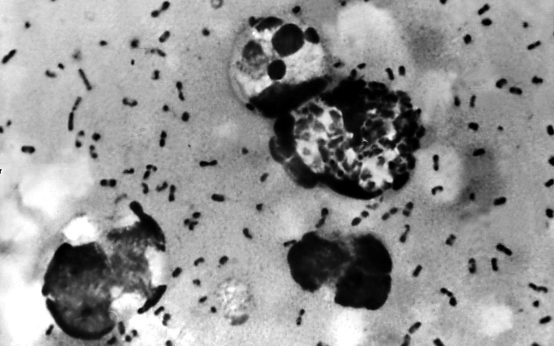 Suspected Plague Death in Siberia Sparks Health Measures
  G7 Nations Agree to Release 100 Million Barrels of Oil Amid Fuel Price Surge
  Co-Pilot Attempts Hijack on Flight to Tel Aviv