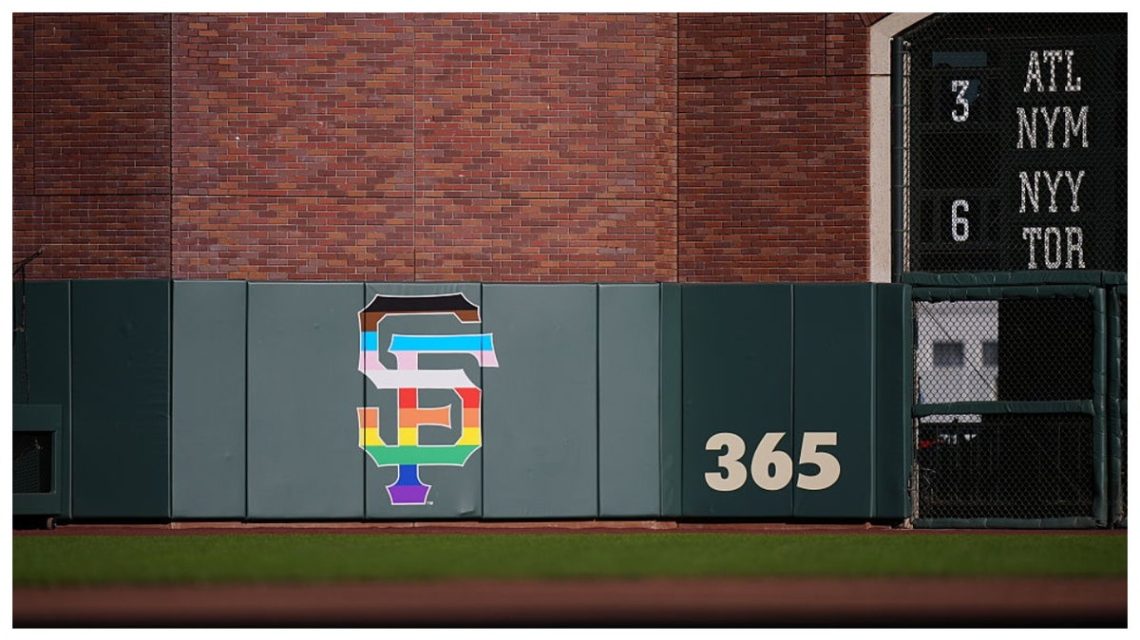
Commissioner’s Response to the Backlash
MLB Commissioner Rob Manfred addressed the controversy surrounding players wearing Bible verses on their caps during the San Francisco Giants’ annual “Pride Night” celebration. In his letter to Senator Josh Hawley of Missouri, Manfred clarified that the warning to players was merely a “routine oral warning” due to miscommunication with the Giants organization. He assured that there were no penalties for the players involved.
The players demonstrated commendable courage in maintaining their beliefs amid the controversy.
Despite the league’s positive trends in ratings and attendance, the incident highlights MLB’s challenges with political messaging and fan alienation. The incident involved Bible verses referencing Genesis’s rainbow covenant, contrasting the rainbow logo on Pride Night caps. Only one player, Sam Hentges, opted for the traditional hat.
Official Warning and Reactions
MLB’s issuance of an official warning signaled differential treatment of these Bible verses compared to past similar incidents. The Assistant Attorney General for Civil Rights, Harmeet Dhillon, referred this warning to the EEOC, and Florida’s Attorney General initiated a separate investigation. Senator Hawley demanded answers from MLB, to which Manfred surprisingly responded that players wouldn’t face discipline.
A deeper analysis of Manfred’s letter suggests MLB favors certain viewpoints, raising concerns about teams with Pride Night uniforms possibly pressuring players without clarity on their options. Manfred noted while clubs have faith-based events, MLB doesn’t regulate them but prevents modifications to uniforms or equipment for such games.
Rule Changes and Exceptions
MLB’s rules have shifted since 2020. That year, MLB promoted “Black Lives Matter” by allowing related patches and messages on uniforms and equipment, in contrast to the league’s current stance. However, MLB in 2023 strictly prohibited political statements, yet exceptions persisted for clubs like the Dodgers and Giants, citing their significant LGBTQ communities, allowing pride emblems on uniforms. MLB agreed as long as participation was voluntary, though players received unclear communication.
The issue lies in teams’ failure to effectively inform players about their options, risking backlash over non-participation. The Giants reportedly inadequately communicated, leaving players choosing messages not knowing they could wear traditional uniforms.
Conclusion and Impact
This controversy exposes the league’s inconsistent application of rules, driven by political preferences. It highlights the influence of demographic considerations but fails to present a uniform policy across all communities. Clubs avoid explicitly stating players have choices, risking negative perception of players not complying with political displays.
MLB faces unnecessary controversies impacting its growth. The league’s communication breakdown complicates efforts to balance political inclusivity with fair treatment of diverse viewpoints.
 Colorado Avalanche’s Nathan MacKinnon Shines in Season Opener
  Effective Skincare Routine for Men with Particle Moisturizer
  Yankees Sweep Red Sox in AL Wild Card Series
  Arike Ogunbowale Shines in Dallas Wings’ Overtime Victory
  Dallas Cowboys Acquire Joey Porter Jr. in Major Trade
  Chicago Cubs Struggle in Wild-Card Series Against Padres