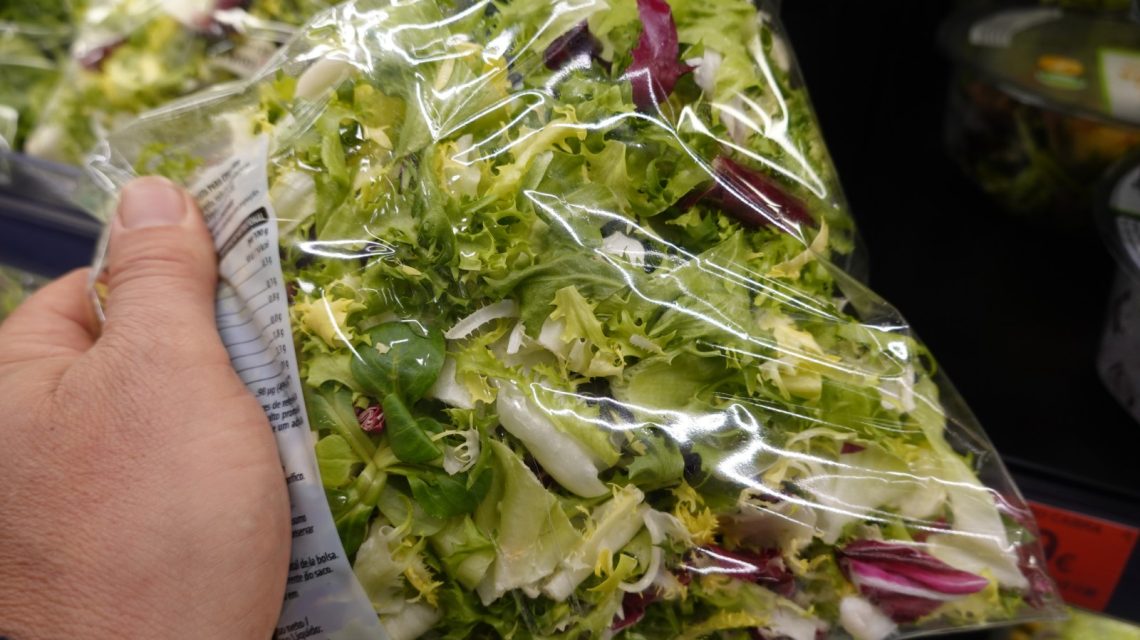
A Cyclospora outbreak linked to recalled iceberg lettuce has affected at least 1,947 people across nine states. This situation marks one of the largest outbreaks of the parasite ever recorded in the United States. Though the outbreak hasn’t surpassed the record set in 2019, health officials anticipate more confirmed cases. The delay in identifying and confirming infections contributes to the expected increase in cases.
The Centers for Disease Control and Prevention (CDC), Food and Drug Administration (FDA), and state health officials are involved in the investigation. They have traced the outbreak to iceberg lettuce from central Mexico, which was voluntarily recalled by Taylor Farms de Mexico. The recall began on July 17.
The CDC warns against consuming the recalled lettuce. Consumers should dispose of or return any purchased product. Additionally, the agency is looking into other Cyclospora outbreaks in different areas unrelated to this incident. As of July 24, there have been 1,947 confirmed cases, including 98 hospitalizations. The outbreak spans states like Illinois, Indiana, and Kansas, among others.
Understanding Cyclospora
Cyclospora cayetanensis is a microscopic parasite that infects the small intestine, causing cyclosporiasis. Infection occurs after consuming contaminated food or water. The parasite is typically found in fresh produce such as leafy greens and berries, which often become contaminated through poor sanitation or exposure to polluted water.
Unlike some intestinal infections, Cyclospora doesn’t spread directly from person to person. The parasite must mature in the environment before becoming infectious. Symptoms generally appear a week after exposure. These include watery diarrhea, appetite loss, weight loss, and stomach cramps. Healthy individuals usually recover with antibiotic treatment, but symptoms may persist if untreated.
Notable Cyclospora Outbreaks
This outbreak is already one of the largest in U.S. history. Starting on May 1, the CDC confirmed 4,173 domestic cases of cyclosporiasis and is aware of over 7,400 unconfirmed cases under investigation.
Before the mid-1990s, Cyclospora was not widely recognized as a foodborne illness in North America. A significant outbreak linked to Guatemalan raspberries in the 1990s changed that. Concerns about water quality and farming practices led to the temporary suspension of Guatemalan raspberry exports. Following the outbreak, the CDC made cyclosporiasis a nationally notifiable disease in 1999.
In 2013, cases linked to salad mix from Mexico and cilantro also from Mexico were significant. Contaminated salad served at McDonald’s led to 2,299 confirmed illnesses in 2018, while fresh basil in 2019 accounted for 2,408 cases, marking the largest outbreak.
Ongoing Investigation and Response
The CDC notes that the current figures may not reflect the outbreak’s final size due to the time required for confirmation. Although recalled products are out of the marketplace, more cases are anticipated. Not all cases get reported or require medical attention.
The FDA’s traceback points to shredded iceberg lettuce from Taylor Farms in central Mexico. Consumers should still avoid products in the recall. Taylor Farms stated food safety is their top priority. They have removed possibly implicated items, conducted a voluntary recall, and suspended sourcing from central Mexico.
The company has engaged independent experts to review their food safety practices and temporarily stopped all production at the Mexico site. According to the FDA, there have been no confirmed positive samples for Cyclospora as of July 24.
Taylor Farms expressed confidence in their food safety systems and committed to transparency as more information surfaces.
 Increased Funding Needed for Psychiatric Hospitals
  Trump Administration Distributes ACA Refund Checks
  Higher Consumption of Ultra-Processed Foods Linked to Increased Health Risks
  Understanding Inflammation: Myths and Facts
  Calm Parenting: Strategies to Manage Stress
  Trump’s Executive Order to Combat Mosquitoes and Ticks in D.C.