NATO’s Leadership Visit in Washington
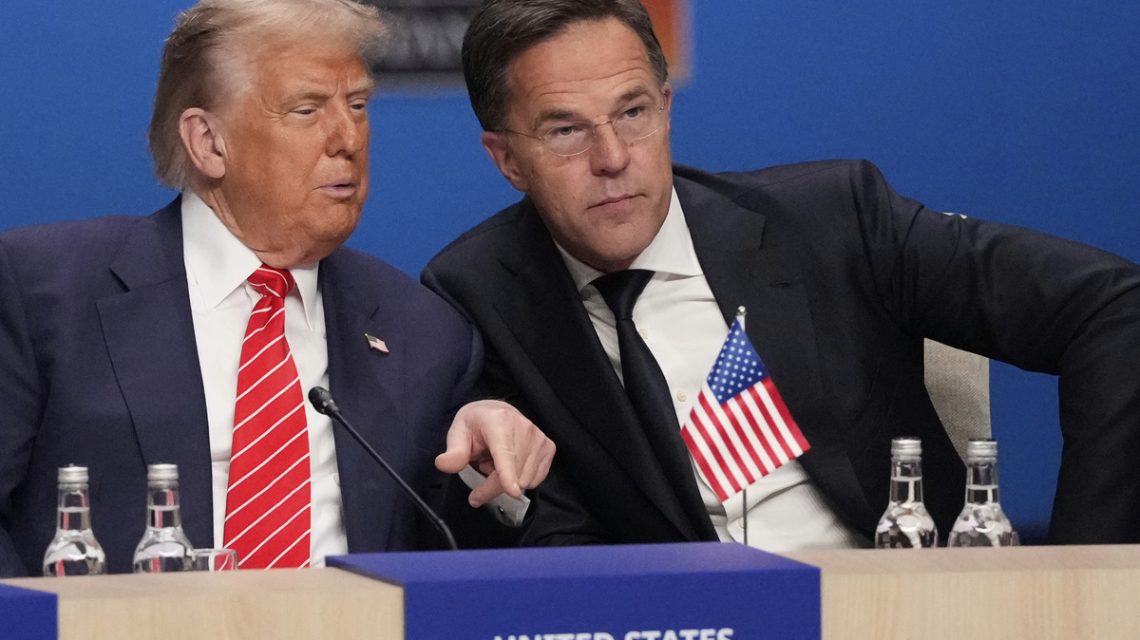
Last month, NATO Secretary General Mark Rutte entered the Oval Office with a clear agenda and two vibrant charts. Before U.S. President Donald Trump and senior officials like Defense Secretary Pete Hegseth, Rutte highlighted that Europe and Canada planned to boost defense spending by nearly 20% from 2024 to 2025.
Rutte showcased a ‘Trump Trillion,’ pointing to $1.2 trillion in defense spending by Europe and Canada since Trump entered office. This was strategically timed before NATO’s major annual meeting, aiming to strengthen a weakening alliance amid U.S. criticisms of European defense spending.
Ankara Summit Preparations
NATO’s Summit in Ankara, Turkey, set for this past Tuesday and Wednesday, is another test of transatlantic relationships. Despite pledges last year to increase defense spending, the U.S. has yet to clarify its military role in Europe.
Details about potential U.S. troop reductions in Europe were anticipated but met with skepticism. Discussions covered Europe’s defense industry and Ukraine’s future, but no new commitments were expected beyond last year’s agreement.
Addressing Long-standing Tensions
NATO’s tumultuous year has seen diplomatic crises and mixed messages about the U.S.’s future involvement. Despite Rutte’s efforts to present a united front, tensions persisted. Trump has expressed dissatisfaction with what he perceives as one-sided NATO involvement, suggesting the U.S. sees little return from its commitments.
Historical reliance on U.S. military capabilities is acknowledged by European countries, who recognize the need to increase their own spending. However, Trump’s public criticism and threats to manage Greenland have exacerbated anxiety among European allies.
The Iran Dispute and U.S. Troop Withdrawal
The U.S. proposed striking Iranian targets, arguing it served European interests. Several European nations limited U.S. access to their bases, sparking friction. Secretary Hegseth announced a review of troop placements in Europe amid internal administration disagreements.
General Chris Donahue’s departure as NATO’s land forces leader added strain. His leadership was valued in Europe, yet his exit aligns with broader U.S. military policy shifts.
Conference Expectations
The Ankara summit promised potential turbulence with Trump’s unpredictable demeanor. He often reiterates grievances about Europe’s defense spending and NATO’s role in Iran.
U.K. plans to boost defense funding faced criticism, showing ongoing concerns about European security against Russia’s ambitions by 2030. John Healey, the U.K. defense secretary, stepped down, advocating for increased spending.
 Brazil’s Presidential Race Heads to Runoff
  Sen. Thom Tillis Criticizes Trump’s Administration in New Book
  Controversy Surrounds Steve Hilton’s Campaign Ad Amid Gubernatorial Race
  Trump Calls for Probe into Alleged ‘Paid Protesters’
  Donald Trump Criticizes Fox News for Rally Coverage
  Israeli Prime Minister Calls for Comprehensive Security Review of Civil Flights