
With credit card interest rates exceeding 22% on average and a rise in household debt, managing debt can be challenging today. Many borrowers are exploring alternatives to address high-interest obligations. One popular option is debt settlement, where you negotiate to settle your debt for less than the full balance.
Understanding Debt Settlement’s Impact on Your Credit Report
Arriving at a debt settlement may offer some financial relief, especially if the alternative is grappling with unmanageable payments. However, it’s crucial to realize that settling a debt doesn’t erase previous payment history. Late or missed payments leading to settlement may stay on your credit report for years, potentially affecting your financial credibility when seeking future financing.
How Settled Debt Should Appear on Your Report
The representation of a settled debt on your credit report is vital. Generally, it should not be shown as fully paid. Instead, terms like “settled,” “settled for less,” or “paid-settled” may appear. This indicates the creditor accepted a lesser amount to resolve the debt. After settlement, the account should show no remaining balance.
For instance, if you owed $15,000 and settled for $9,000, your credit report shouldn’t reflect a $6,000 balance anymore. If the debt reached collections, both the original and the collection accounts might show on your report. The original may appear closed or transferred, while the collection account should show settlement completion.
Understanding Negative Payment History
The negative history prior to settlement, like missed payments, charge-offs, or collections, generally remains on your credit report. Such records can last for seven years from the original delinquency that led to the settlement. Thus, checking that the account is marked resolved, and verifying the accuracy of balances and payment history is crucial.
Addressing Incorrect Reports
If your settled debt doesn’t reflect accurately on your report, compare the report details with your records, including the settlement agreement, proof of payment, and any confirmation of agreement fulfillment. Bear in mind that changes might not appear immediately due to the reporting cycle.
If errors persist after ample time, dispute with the credit bureau or the creditor who reported the error, providing supporting documents. Remember, settling a debt doesn’t erase prior negative history or require reporting as “paid in full.” Resolving debt this way doesn’t remove its credit trail, so weigh options carefully.
After settling a debt, verify how it appears on your credit reports. While settlement details and prior missed payments can be visible for years, the report should show the account as resolved with no remaining balance. If discrepancies exist, dispute them promptly to avoid future credit application issues.
 State Department Simplifies Passport Process with Online Applications
  Senate Democrats Block Data Center Bill Over Efficiency Concerns
  Future Cities: Ambitious Projects Aiming for Innovation and Sustainability
 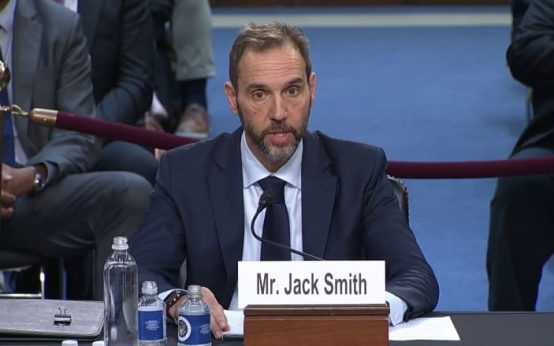 High-Profile Hearing and AI Developments: Key Political Moves
 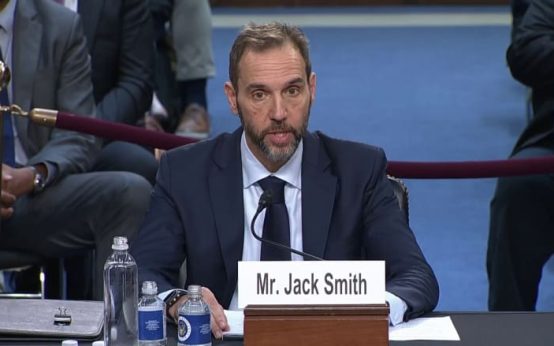 Key Events in Today’s Discussions Involving Jack Smith and President Trump
 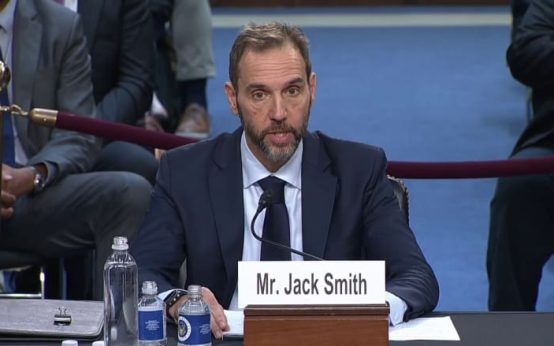 Jack Smith Faces Scrutiny Amid Investigations into Trump