Food and beverage companies have long had the freedom to declare new ingredients safe and sell them without alerting the Food and Drug Administration (FDA). A new proposal aims to change this by requiring companies to notify the FDA when they introduce a new substance into human or animal food.
Current GRAS Exemption
Since 1958, companies have been able to classify ingredients as “generally recognized as safe” (GRAS) without a formal FDA review. Originally, this was intended for well-known substances like salt and vinegar. However, its use expanded to cover a range of ingredients, often bypassing the FDA’s more rigorous food additive approval process.
An analysis by the Environmental Working Group found that 99% of food chemicals introduced since the exemption was created have used the GRAS pathway. This has led to complications in food safety scenarios, highlighted by the 2022 outbreak linked to tara flour, which was later reclassified by the FDA as an unapproved additive.
Proposed Rule Changes
The proposal would make notifying the FDA of new GRAS substances mandatory. While companies would not be barred for failing to notify, the lack of notification would affect how the FDA prioritizes substances for safety review. Currently, companies can submit voluntary notifications, but this has never been a requirement for marketing food with a new GRAS ingredient.
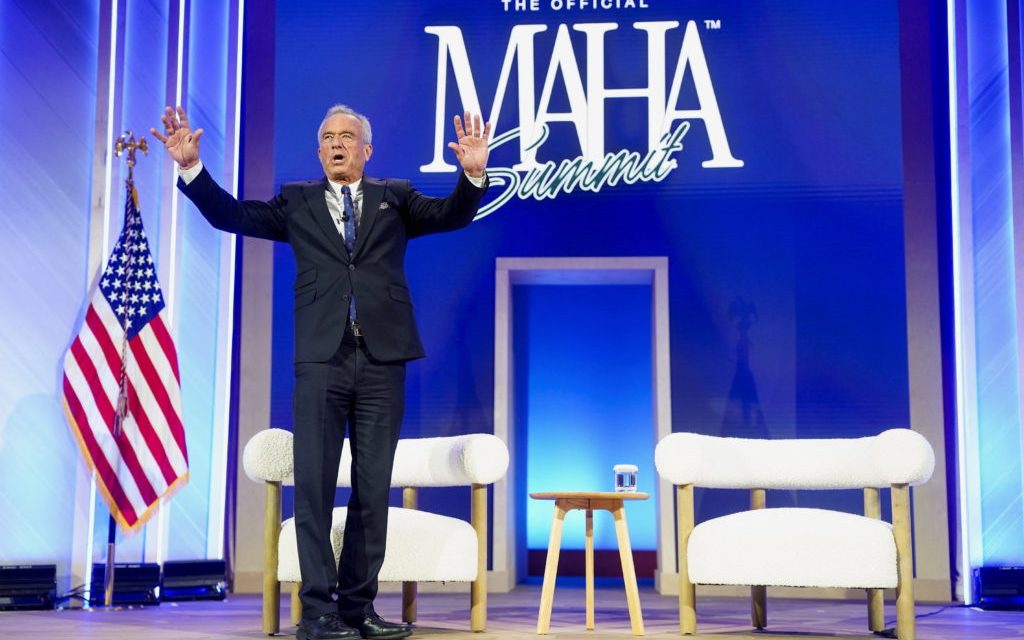
This change comes under the broader “Make America Healthy Again” (MAHA) agenda by Health Secretary Robert F. Kennedy Jr. The proposal aims to enhance transparency and improve oversight of food safety.
Potential Limitations
Despite making notification mandatory, companies will still be able to market substances without waiting for FDA review. Critics argue this proposal lacks sufficient enforcement mechanisms, leading to uncertainties about whether it will lead to meaningful change in food safety standards.
The FDA would require companies to submit streamlined submissions about substances already on the market, but without needing underlying safety data. Concerns have been raised about the FDA’s capacity to review all notices, especially given resource constraints.
Implications for Food Safety
The GRAS proposal focuses on ingredient safety rather than microbial food safety concerns such as cyclospora or salmonella outbreaks. The Human and Health Services Department aims to strengthen nutrition science through this proposal.
The proposal’s focus on additives could overshadow other dietary factors, such as sodium or added sugar, which have more established links to health problems.
Timeline and Feedback
The proposed rule is open for public comment through early December. If adopted, a final rule could take years to be implemented. The FDA must review and consider public comments, which can influence the final rule.
Conclusion
The proposal represents a step towards greater transparency in what ingredients enter the food supply. While it introduces mandatory notification requirements, industry experts believe more comprehensive changes, such as a public database and independent reviews, are necessary for a substantial impact on food safety.
 Increased Funding Needed for Psychiatric Hospitals
  Trump Administration Distributes ACA Refund Checks
  Higher Consumption of Ultra-Processed Foods Linked to Increased Health Risks
  Understanding Inflammation: Myths and Facts
  Calm Parenting: Strategies to Manage Stress
  Trump’s Executive Order to Combat Mosquitoes and Ticks in D.C.