
The price of oil experienced a significant decline on Sunday as President Donald Trump announced a pause on additional U.S. military actions against Iran. This decision comes amid claims that a peace deal to resolve the prolonged Middle Eastern conflict is imminent. This development could potentially enable oil shippers to resume operations in the Persian Gulf, a vital route where many oil tankers have been stranded during the hostilities.
By Sunday night, the price of U.S. crude oil decreased by 5%, settling at $80.79 per barrel. Similarly, Brent crude, the global benchmark, dropped by 5% to $83.87 per barrel. Oil market volatility has been notable since the U.S. and Israel initiated military actions against Iran in February, with prices surpassing $100 per barrel on several occasions throughout the spring.
The ongoing conflict has caused a cascade of effects on oil prices, influencing the cost of gasoline, jet fuel, and various other diesel-powered products. Consumers faced increased costs at fuel stations, and airfare prices rose due to elevated jet fuel expenses. In some nations, limited fuel supplies resulted in rationing, along with occasional closures of schools and government facilities.
The turmoil in the Strait of Hormuz, a critical waterway adjacent to Iran, has significantly impacted petroleum shipments. The inability to transit this route during the conflict has led to price elevations, benefitting oil and gas companies that reported substantial profits during this period. Despite the recent price drop, U.S. crude remains about 20% higher compared to pre-conflict levels.
 Bolivia Faces Security Test Amid Unrest
 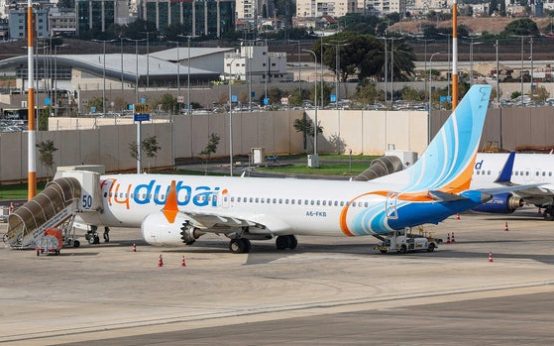 Incident on FlyDubai Flight Raises Security Concerns
  Journalist Gershkovich Discusses Wrongful Detention and Release in Russian Prisoner Swap
  Pakistan Airstrikes in Afghanistan: Civilian Casualties Reported
 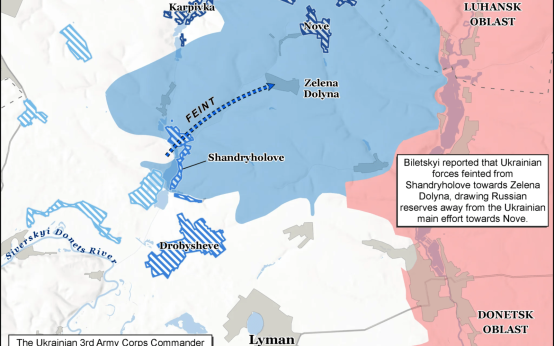 Ukraine Converts APCs to Explosive Devices in Donetsk Offensive
 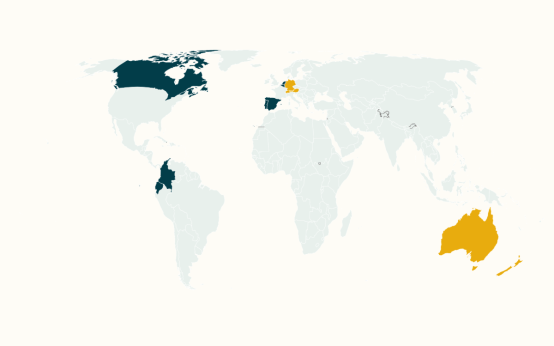 Dutch Review Board’s Euthanasia Ruling and International Debate