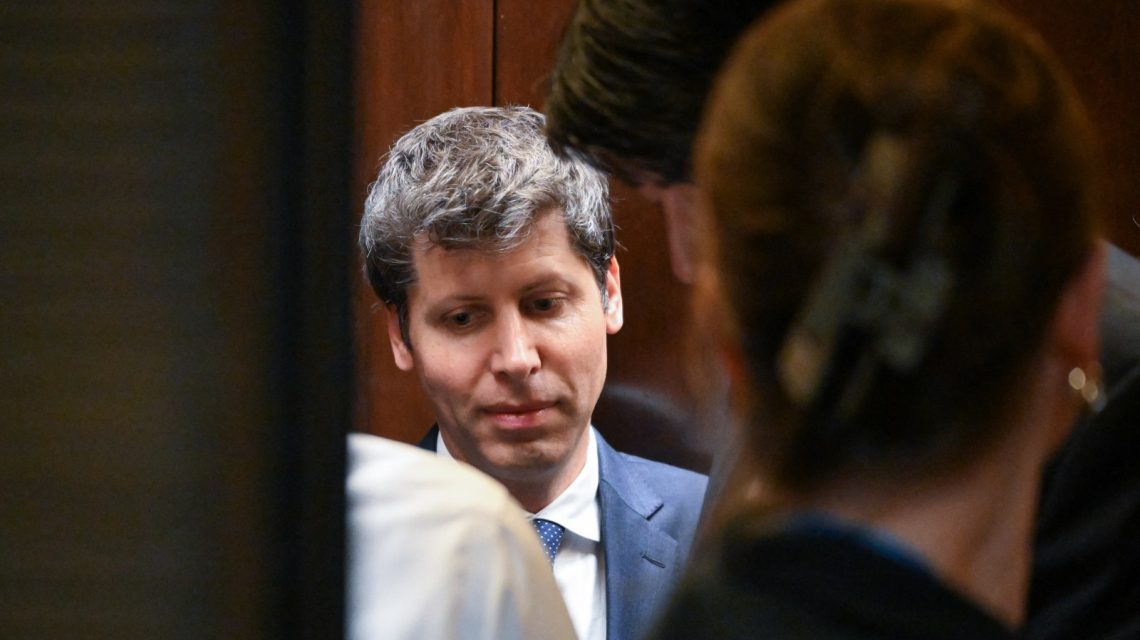
On Monday, OpenAI agreed to a $3.2 million settlement with the Trump administration after accusations of discrimination against American workers during recruitment for jobs linked to the employment-based immigration process. Federal investigators found issues with how OpenAI conducted its recruitment for green card-related positions, highlighting practices that made it challenging for U.S. job seekers to find these roles.
Settlement Details
The Department of Justice (DOJ) Civil Rights Division announced the settlement on Tuesday, resolving claims that OpenAI and its subsidiary Statsig preferred foreign workers with temporary employment visas during the recruitment conducted via the Permanent Labor Certification (PERM) process. The PERM system allows employers to sponsor workers for permanent residency, primarily focusing on H-1B holders, after they try to recruit qualified U.S. workers.
Investigators discovered that OpenAI failed to advertise some PERM-related positions on its public careers website, required paper applications instead of electronic ones, and sometimes used late-night radio spots to promote job openings. These methods were seen as discouraging U.S. workers from applying for positions intended to be part of the PERM process. Assistant Attorney General Harmeet K. Dhillon stated, “It is illegal to discriminate against U.S. workers by preferring temporary visa holders for jobs,” when announcing the agreement.
Financial and Procedural Commitments
Under the settlement, OpenAI will pay $1.2 million in civil penalties and establish a $2 million backpay fund for workers allegedly harmed by its recruitment practices. The company also agreed to change its hiring procedures, including advertising PERM positions on its public careers site and accepting electronic applications. Other commitments involve revising employment policies, training personnel on immigration-related anti-discrimination requirements, and submitting to federal monitoring and reporting provisions.
The settlement agreement states OpenAI denies wrongdoing and does not admit to violating federal law. The agreement concludes investigations initiated by the DOJ in August 2025, with investigators finding reasonable cause to suspect a pattern of citizenship-status discrimination related to several PERM advertisements dating to at least 2023.
OpenAI’s Response
An OpenAI spokesperson expressed disagreement with the government’s conclusions but emphasized resolving the matter to continue with its PERM program. The spokesperson stated, “OpenAI’s mission is to ensure that AGI [artificial general intelligence] benefits all of humanity. Fulfilling that mission and maintaining America’s leadership in AI requires attracting and retaining the best talent from the United States and around the world.” Despite disagreement with the DOJ’s findings, OpenAI decided to settle the case to move forward.
Newsweek’s Reporting Connection
Newsweek’s investigation last year revealed how tech companies sometimes used recruitment methods that made job openings challenging for ordinary applicants to find. The investigation showed examples of employers placing legally required recruitment advertisements in newspapers and venues that many modern job seekers rarely use. The DOJ’s investigation into OpenAI began around the time Newsweek contacted the department about postings the company shared, covering listings from a similar timeframe.
Jobs Now, a website aiming to uncover potential H-1B PERM process abuses, welcomed the DOJ’s actions. A spokesperson commented, “We were deeply concerned last year when we saw OpenAI advertising for job applicants to use paper mail to submit their resumes to staff within their global mobility department.” The allegations against OpenAI focused on questions about whether U.S. workers had meaningful opportunities to compete for positions before foreign workers were sponsored through the immigration system.
The settlement found applicants for specific PERM positions were required to submit paper applications, creating unnecessary barriers not required under federal immigration rules.
Wider Implications
The settlement marks one of the highest-profile actions by the Trump administration’s Justice Department as it increases scrutiny of employment practices involving foreign-worker sponsorship programs. Officials noted fewer than ten positions were directly affected but argued the settlement’s size reflects broader harm caused when qualified U.S. workers are hindered from competing for high-paying technology jobs.
This case emerges amid a national debate over the role of H-1B visa holders and employment-based immigration in the technology industry. Advocates argue companies need access to global talent to maintain U.S. leadership in emerging fields like artificial intelligence, while critics assert that immigration pathways disadvantage American workers.
OpenAI aims to resolve this dispute to continue its immigration sponsorship programs while adhering to the terms of the agreement.
Future Monitoring
The settlement will remain effective for three years, during which OpenAI and Statsig will be subject to DOJ monitoring and reporting requirements to ensure compliance with federal anti-discrimination laws related to the PERM process.
 Meta’s Muse AI Assistant Sparks Cybersecurity Concerns
  Keurig Dr Pepper Launches Compostable Coffee Pods to Reduce Waste
  Minneapolis Council Member Faces Criticism Over Autonomous Vehicle Concerns
  Washington’s Reaction to Trump’s AI Self-Regulation Accord and Technology Updates from The Hill
  Unraveling the RatHat Android Malware Threat
  AI Accountability: The Need for Clear Liability Standards