Kabul, Afghanistan faced deadly airstrikes from Pakistan early Wednesday. These strikes ended a temporary calm after Pakistan’s previous declaration of ‘open war’ against Afghanistan. The strikes targeted Afghanistan’s eastern provinces: Khost, Kunar, and Paktika. Government spokesperson Zabihullah Mujahid confirmed 13 civilian deaths, including 11 children, a woman, and an older man. An additional 14 people were wounded.
Pakistan admitted to the strikes, claiming they aimed at militant hideouts and infrastructure linked to previous attacks within Pakistan. Islamabad reported 26 militant deaths. Often, both countries report differing casualty figures. Since February, hundreds have died due to ongoing Pakistan-Afghanistan conflicts. Afghanistan initially attacked Pakistan as retaliation for Pakistani airstrikes. Efforts for peace dialogues have not yielded a lasting truce. Pakistan accuses Afghanistan of sheltering militants responsible for attacks inside its borders, notably the Pakistani Taliban, or Tehrik-e-Taliban Pakistan (TTP). The Afghan Taliban, who took charge in Afghanistan in 2021, denies these accusations.
In Khost, the community mourned the loss of nine lives from a collapsed house due to the airstrike. Seven children aged between 3 and 15 perished alongside a woman and a man. Another home, belonging to Talib Gul, experienced severe damage and significant livestock loss due to a subsequent strike. Afghanistan protested Pakistan’s actions, summoning Islamabad’s chargé d’affaires in Kabul. Deputy spokesperson Zia Ahmad Takal demanded that Pakistan address its internal issues.
Pakistan’s information minister, Attaullah Tarar, defended the strikes by labeling them as necessary military actions against TTP hideouts in border areas.
Reportedly, Pakistan destroyed facilities like a training center and an ammunition cache, among others. Tarar declared a relentless counter-terrorism effort to eliminate foreign-sponsored terrorism. The information ministry dismissed Afghan claims of civilian casualties as propaganda.
Wednesday’s airstrikes followed an attack by suspected Pakistani Taliban militants on a security post in Pakistan’s Hasan Khel, with six Federal Constabulary members killed. Pakistan’s forces retaliated by neutralizing eight attackers.
Despite Wednesday’s strikes, border calm soon prevailed. Previously, Kabul responded to Pakistani strikes with cross-border shelling. Fighting has persisted since October, disrupting trade and displacing many people, following Pakistan’s February declaration of an ‘open war’ with Afghanistan. In March, Afghanistan accused Pakistan of targeting a drug treatment center in Kabul, resulting in over 400 casualties. Pakistan refuted these claims.
China hosted peace talks earlier, where Pakistan and Afghanistan agreed to avoid conflict escalation. Despite China’s mediation, tensions remain stiff. Security analyst Masood Khan emphasized the necessity of implementing Taliban leader Mullah Haibatullah Akhundzada’s decree to curb TTP attacks on Pakistan.
Trade and movement have suffered due to a closed border since October, affecting thousands and disrupting economic ties.
Ahmed’s report from Islamabad and contributions from Elena Becatoros in Athens informed this article.
 Dutch Review Board’s Euthanasia Ruling and International Debate
 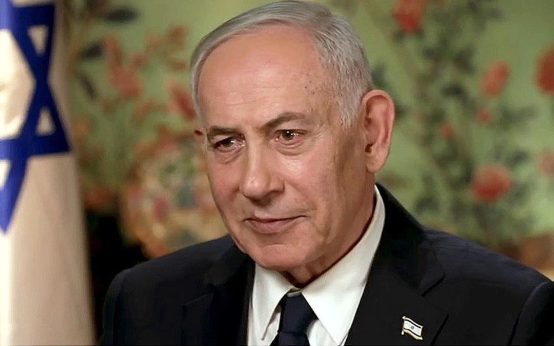 Israeli PM Commends Heroic Actions in Flight Emergency
  Rabbi and Jewish Leaders Criticize Adam Brody for ‘Genocide’ Comment
  Flydubai’s Emergency Landing Highlights Cockpit Security
 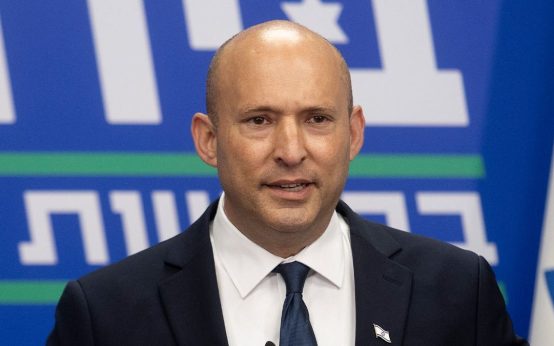 Former Israeli PM Naftali Bennett Commends Passengers and Crew for In-Flight Heroism
  Diplomatic Complexities Unfold at U.S. National Archives Visit