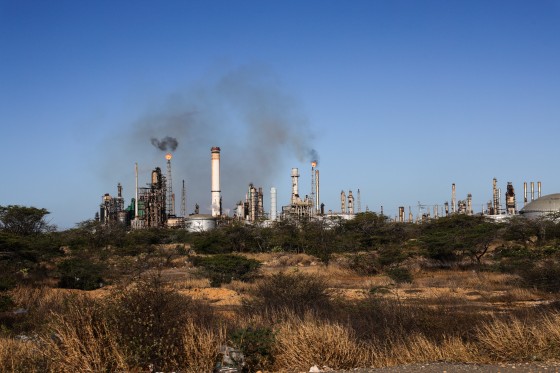
Political and Practical Challenges in the U.S.-Venezuela Oil Agreement
The recent U.S. deal with Venezuela over offshore oil reserves, hailed by President Donald Trump as a monumental agreement, faces various obstacles. This deal, aimed at tapping into over 65 billion barrels of oil reserves in Venezuela, has been described by Trump as “the biggest oil deal in world history.” Consequently, increased oil production is expected to lower gas prices.
The U.S. administration presented the agreement through an unnamed private business and emphasized its historic significance on Truth Social. Despite the bold claims, several political and logistical hurdles remain, casting doubt on how effectively this deal will impact gas prices.
Complexities of the Agreement
Political opposition in both countries presents a significant challenge. In the U.S., critics question the viability of the deal and its alignment with broader international policies. Meanwhile, Venezuelan political dynamics, including negotiations with the current government, complicate the agreement’s implementation.
Further challenges include regulatory and infrastructural issues. Establishing effective means for oil extraction and distribution requires significant investment and organization. The logistical aspects of transporting oil safely and efficiently are crucial for reaching the intended economic impacts.
Additional Developments
Separately, former Congressman George Santos has been banned for life from Kalshi, a prediction market. This ban follows his controversial expulsion from Congress in 2023, raising further questions about his involvement in economic and political activities.
 Democratic Hopes and Historical Warnings in 2026 Senate Race
  Republicans Face Challenges Amidst Cost of Living Concerns
 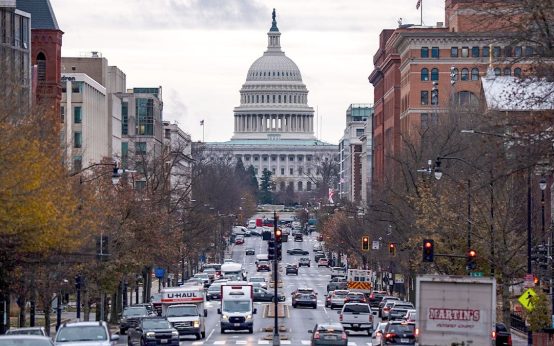 A Different Kind of Fall for Congress This Year
 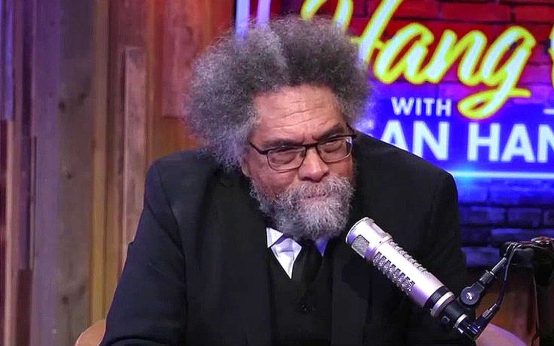 Cornel West and Sean Hannity Discuss Differences on Podcast
 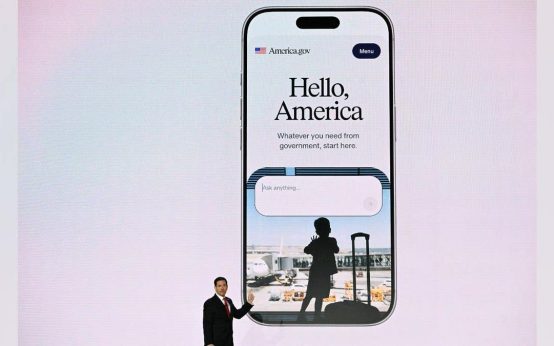 Trump Unveils AI-Powered America.gov Platform
  Upcoming Congressional Elections: Key Districts to Watch