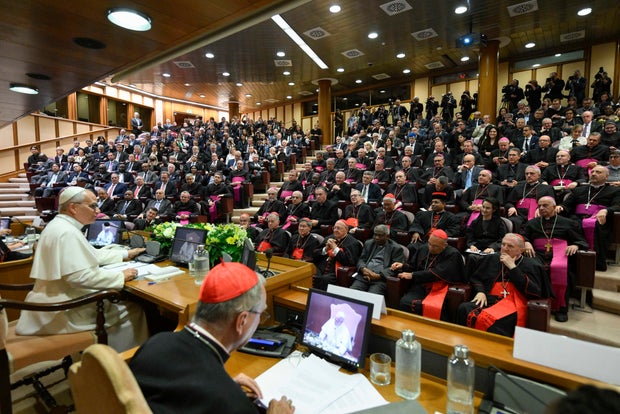
Pope Leo XIV has issued a significant document addressing the implications of artificial intelligence (AI) for humanity. He warns that AI could render civilization “less human.” In his encyclical, titled Magnifica Humanitas, Pope Leo XIV challenges the notion of ‘just war’ theory, denouncing its frequent misuse as outdated.
The encyclical includes an inaugural apology from the Vatican for its past role in the transatlantic slave trade, a move aimed at healing a historical wound. Yet, the central theme remains the transformative potential of AI. Pope Leo draws parallels between the AI Revolution and the Industrial Revolution, likening his ambition to that of Pope Leo XIII’s Rerum Novarum, which guided the Church during industrial upheaval.
AI’s Impact on Society
Pope Leo XIV warns that AI could make civilization “less human” by affecting work, wealth distribution, and moral values. He emphasizes the necessity to maintain humanity’s dignity amidst technological advances. The encyclical underscores the importance of addressing AI’s economic challenges and its deeper “anthropological” impacts on human purpose and meaning.
Call for Disarmament and Caution
The pope advocates for the “disarming” of AI, cautioning against the race for advanced algorithms driven by geopolitical and commercial motives. This document represents the first major papal encyclical of the AI era, framing AI’s rise as both an economic and existential challenge.
Pope Leo XIV, alongside key Vatican officials, presented his encyclical at a Vatican event.
Cardinal Michael Czerny, instrumental in presenting the document, clarified that the focus is on the human condition during AI’s rise. Despite acknowledging AI as an impressive achievement, the encyclical stresses the ongoing human responsibility associated with technology.
Societal Concerns and Global Military Implications
The encyclical raises concerns that AI might decimate middle-class jobs, increase inequality, and fuel societal fragmentation. The technology could normalize AI-driven warfare, which the encyclical declares morally unacceptable. This warning rings particularly relevant as global militaries increasingly adopt AI-enhanced systems.
Heightened AI integration in military exercises, such as those involving the Pentagon’s Maven platform, illustrates this trend. Pope Leo XIV’s document urges consideration beyond military application, stressing both societal and ethical implications.
Engaging with AI Companies
One unique aspect of the Vatican’s encyclical presentation was the involvement of AI firm Anthropic’s co-founder, Christopher Olah. His presence underscored the need for collaboration between AI developers and the Church to address the broader moral and existential questions posed by AI.
Olah highlighted the conflicting incentives within AI companies and welcomed the Church’s guidance. Pope Leo XIV expressed optimism in collaborating to find solutions to humanity’s pressing challenges.
Vatican’s Approach to AI Dialogue
The Vatican’s interaction with companies like Anthropic does not equate to endorsement. Cardinal Czerny articulated the Vatican’s openness to dialogue with various stakeholders to explore AI’s implications, emphasizing the distinction between dialogue and endorsement.
Ultimately, the encyclical returns to the spiritual dilemmas posed by AI, cautioning against treating AI as a substitute for spiritual fulfillment. Pope Leo XIV urges reflection on AI’s transformative effects akin to past industrial shifts, underscoring the need for profound human engagement.
 Trump’s 2024 Campaign Targets Young Men Through Cryptocurrency
  How Modern Windows Improve Home Insulation
  State Department Simplifies Passport Process with Online Applications
  Senate Democrats Block Data Center Bill Over Efficiency Concerns
  Future Cities: Ambitious Projects Aiming for Innovation and Sustainability
  High-Profile Hearing and AI Developments: Key Political Moves