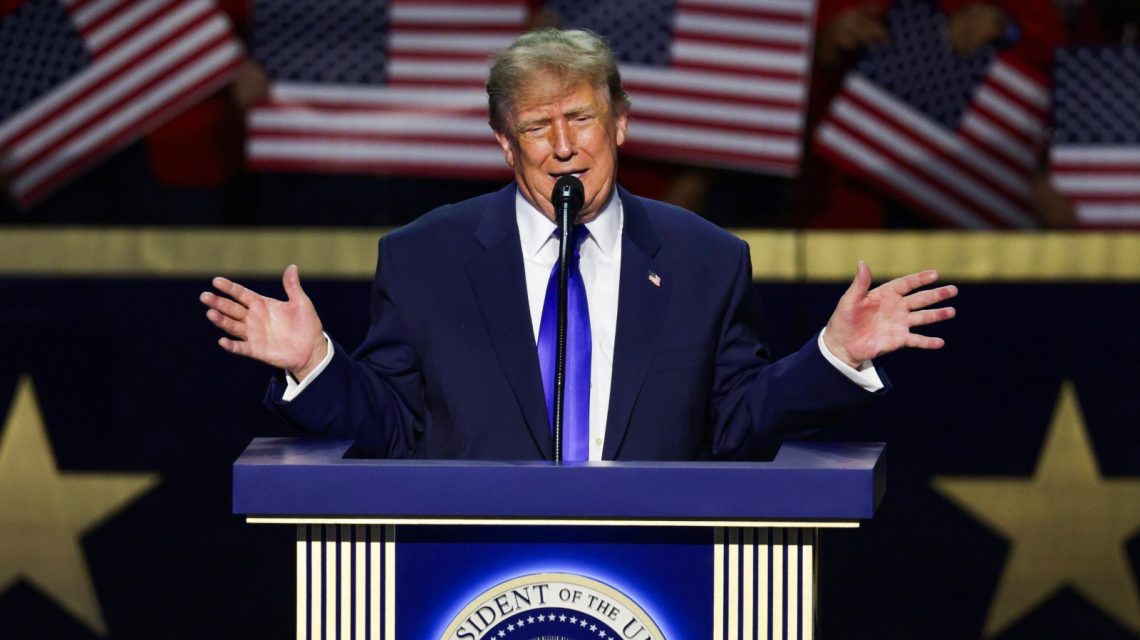
President Donald Trump is facing accusations of violating a federal criminal statute for the second consecutive day. Legal experts are scrutinizing his cash gifts to White House aides and his pledge to send $5,000 checks to Americans if Republicans maintain control of Congress in the upcoming midterm elections.
Allegations of Statutory Violations
The accusations involve two sections of Title 18 of the U.S. Code. According to reports by The Washington Post, Trump’s holiday cash gifts of $45,000 to Natalie Harp and other aides are viewed as potentially violating 18 U.S.C. § 209. This statute generally prohibits executive branch employees from receiving additional compensation beyond their government salaries.
In relation to his election promise, on Wednesday, Trump declared he would issue $5,000 to all Americans if the GOP retains both Houses. Legal experts raised concerns about the legality of this promise, citing 18 U.S.C. § 597, which forbids using expenditures to influence voting behavior.
Defending the Cash Gifts to Aides
Newly released financial disclosures have highlighted that Trump provided considerable holiday cash gifts to aides: $45,000 each to executive assistant Natalie Harp, communications adviser Margo Martin, and deputy director Chamberlain Harris. Walt Nauta received $20,000.
Ethics experts argue that these payments might contravene 18 U.S.C. § 209, which restricts government officials’ salaries to government sources. Richard Painter, former chief White House ethics lawyer under President George W. Bush, emphasized that such large sums resemble a salary, not a gift.
Painter warned of possible political repercussions, suggesting potential impeachment. A White House official countered, stating these gifts are separate from governmental duties and align with legal standards.
Controversy Over the $5,000 Check Proposal
During a GOP convention in Dallas, Trump promised, “If Republicans win both the House of Representatives and the United States Senate, I will issue a $5,000 dividend to every adult citizen in the U.S.” He equated this pledge to corporate shareholder distributions, linking it to economic success. However, this proposal’s execution would require Congressional approval.
Critics quickly referenced 18 U.S.C. § 597, arguing the president can’t offer financial incentives tied to voting outcomes. Richard Painter publicly criticized the promise on X, asserting its potential illegality. Conversely, some legal professionals contend it’s a legitimate campaign promise, not directed at influencing individual votes.
Democratic critics labeled the promise as insubstantial. California Governor Gavin Newsom accused Trump of “voter bribery,” dubbing him the “most corrupt man ever to occupy the Oval Office.”
 The Trump Team’s Challenge to the Military Leadership
  Maryland First State to Restrict Electronic Pricing in Grocery Stores
  Activists Push for Nationwide Ban on Child Marriage in the U.S.
  Democratic Hopes and Historical Warnings in 2026 Senate Race
  Republicans Face Challenges Amidst Cost of Living Concerns
  A Different Kind of Fall for Congress This Year