In Durham, New Hampshire, Brenda and Brian Marquis faced challenges after their service dog, Booker T. Bones, passed away. They found help in Robbie, a robot that visits their living room several times a day. The caregiver robot prompts 59-year-old Brian, who suffers from a traumatic brain injury after a 2012 car accident, to exercise. When Brian responds affirmatively to Robbie’s query, the robot displays an exercise video to guide his workout routine.
Efforts to create practical and life-like home robots continue. This interest grows as the aging baby boomer generation creates a greater demand for home care aides. Low wages, high turnover, and demanding workloads compound this shortage. Despite these challenges, the robot assisting the Marquis family—a project from a University of New Hampshire lab funded by the National Institute of Aging—hints at future possibilities.
‘Stretch’ Offers Assistance to Dementia Patients
Robbie, officially called Stretch 4, spends most of its time at a charging station. It assists Brian, who has dementia, with reminders to eat and stay hydrated. Brenda Marquis shares that both she and her husband face physical, cognitive, and emotional challenges. This led to her exploring robotics for support.
Brenda’s outreach led her to Momotaz Begum, a UNH professor specializing in socially assistive robots for dementia care. Begum’s lab features various experimental robots, and feedback indicates that patients prefer pet-like robot designs, although functionality often takes precedence over appearance.
Robots Designed for Elderly Companionship
Beyond robotic vacuums, older adults often rely on AI-powered speakers like Alexa for assistance. Some companies extend this concept to robotics, creating devices such as ElliQ for companionship. Nonetheless, Begum aims to alleviate caregiver burdens that extend beyond social interaction.
Humanoid robots remain impractical in most homes due to mobility risks. Hello Robot, creator of Stretch, focuses on simplicity and functionality rather than humanoid designs. CEO Aaron Edsinger emphasizes the practical nature of their robots, which offer features like a telescoping gripper for water bottles and assistance with reading prescription labels.
Benefits and Practical Applications
The Stretch 4 model, priced at nearly $30,000, may not be widespread yet but provides crucial support for families like the Marquis. Robbie’s care protocol for Brian includes exercise, meal, and medication reminders. Reminders activate in specific contexts, such as washup prompts when Brian enters the bathroom.
Brian, initially reluctant about technology, acknowledges the robot’s transformative role. Brenda appreciates the time and cost savings, allowing her more freedom while ensuring Brian receives care. She can now enjoy activities like mahjong, confident that Robbie is helping her husband.
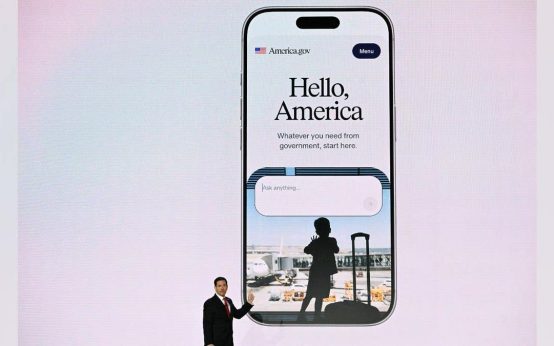 Trump Unveils AI-Powered America.gov Platform
  Increased Funding Needed for Psychiatric Hospitals
  Trump Administration Distributes ACA Refund Checks
  Higher Consumption of Ultra-Processed Foods Linked to Increased Health Risks
  Trump’s 2024 Campaign Targets Young Men Through Cryptocurrency
  How Modern Windows Improve Home Insulation