
As more school districts across the United States begin their academic years in July or August, there’s a rising concern about students dealing with extreme heat. This shift aligns school activities with some of the hottest months of the year, affecting the daily routine of children.
In Lansing, Michigan, a playground scene highlights this evolving trend. Similarly, in Phoenix, Arizona, children faced intense heat as temperatures soared to 117 degrees Fahrenheit, equivalent to 47 degrees Celsius, in July 2026. Students walked to and from school, engaged in recess, and participated in baseball practice despite these challenging conditions.
This situation raises questions about the effectiveness and safety of traditional school schedules in the face of rising temperatures. It also calls into focus the need for adaptation and innovation in school planning and infrastructure. Ensuring children’s comfort and safety becomes crucial as districts navigate these hot summer months to maintain a conducive learning environment.
 Democratic Governors Face Pressure on Federal School Choice Program
  Navigating School Year Challenges and ‘The Talk’ on Safety
 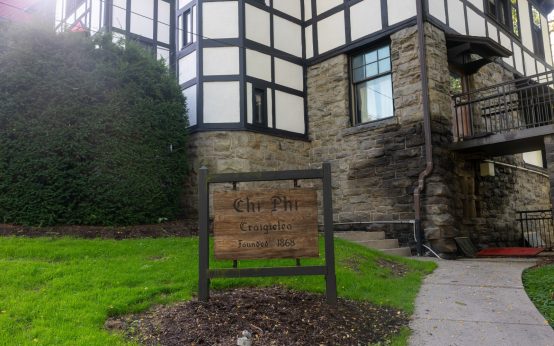 Former Cornell Instructor Discusses Sexual Harassment Allegations
  Cornell University’s Sexual Assault Allegations Spark Legal Battles and Investigations
  Larkin High School Unveils First Outdoor Sports Stadium
 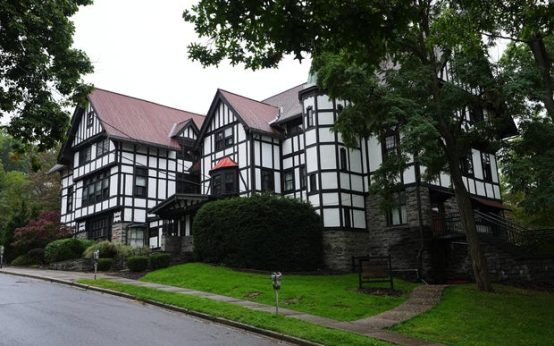 Cornell University Fraternity Faces Allegations in Sexual Assault Case