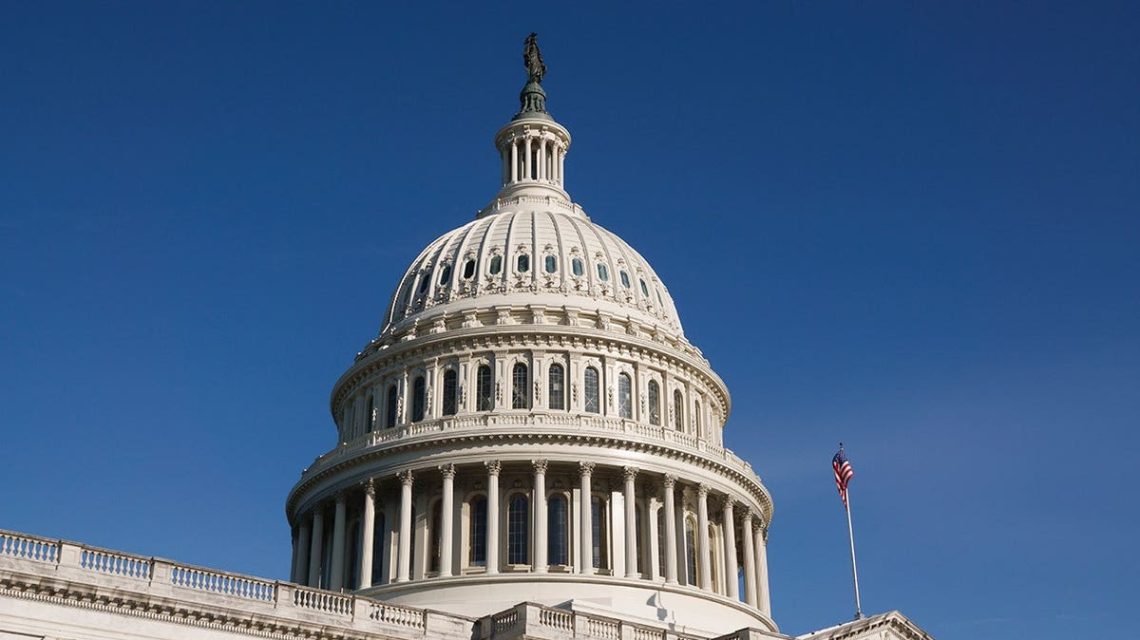
The U.S. Senate is actively engaging in discussions on a bipartisan bill that could reshape college sports. The focus is on creating national standards for Name, Image, and Likeness (NIL) compensation and managing roster instability from player transfers. Senators Ted Cruz, Maria Cantwell, Tammy Baldwin, and Cory Booker highlight the need for federal action, citing the NCAA’s shortcomings.
During a recent session, Congress weighed in on the future of college sports. The discussions included NIL deals, athlete compensation, and transfer regulations. “College sports are in crisis,” declared Senate Commerce Committee Chairman Ted Cruz. Senator John Hickenlooper added, “There’s a sense of urgency in that room. Action is needed swiftly.”
The Senate Commerce Committee advanced a bipartisan proposal aiming to set national NIL standards and regulate athlete transfers. The full Senate is expected to debate this proposal in July. “We’ve put forth a plan that will bring more certainty and predictability,” stated Senator Maria Cantwell. A national framework for athlete compensation is a critical component of the proposal. Lawmakers worry that without action, wealthy programs could outbid smaller schools.
“I’m concerned we’ll never see a player like Josh Allen at a smaller school like the University of Wyoming again,” said Senator Cynthia Lummis.
The plan also limits athletes to one transfer between schools within a five-year period without penalty. This action aims to address the high number of athletes entering the transfer portal annually, a situation noted by former Alabama coach Nick Saban. He advocated for control over agents managing these transfers.
Despite support, some lawmakers, like Senator Cory Booker, oppose the bill. Booker, a former Division I football player at Stanford, wants stronger protections for athletes and less reliance on the NCAA. Meanwhile, Senator Tommy Tuberville, a former football coach, expressed concerns over federal involvement in collegiate sports.
Cruz counters that inaction could lead to chaos in college sports. Critics like Matt Mackowiak worry about congressional undercutting of the NCAA and the power of super conferences. There’s also concern that additional broadcasting players could lead to fan difficulties in accessing content, as pointed out by Senator Amy Klobuchar.
Although previous efforts in the House to regulate college sports failed, the Senate is cautiously optimistic. However, the Senate faces significant tasks ahead, including nominations and national security issues, which may affect the legislative schedule.
The urgency remains critical, as expressed by Senators Cruz and Tuberville. The risk of mega-conferences forming or schools creating their broadcast platforms looms. The Senate’s next steps in this matter could fundamentally impact the future of college sports.
 White Sox’s Pope Hat Promotion Shines Amid Playoff Push
 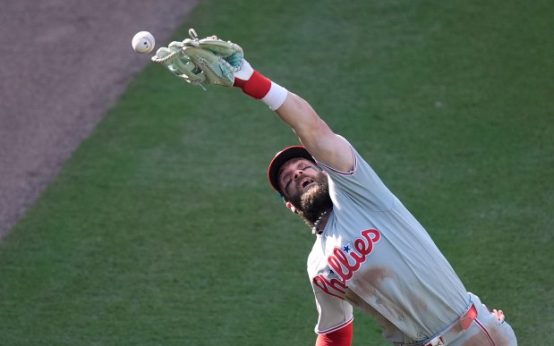 Phillies Edge Braves in 10th, Push Series to Game 3
 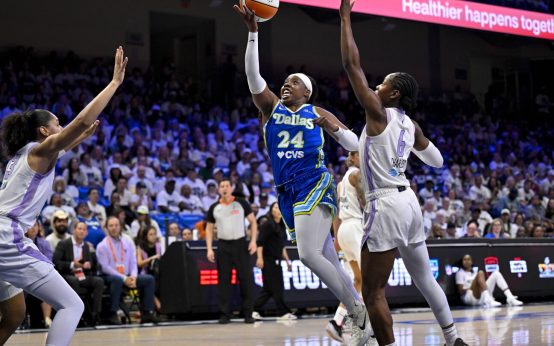 Arike Ogunbowale Sets Playoff Record as Dallas Wings Force Game 3
  Chicago White Sox Triumphs in 2026 Postseason
 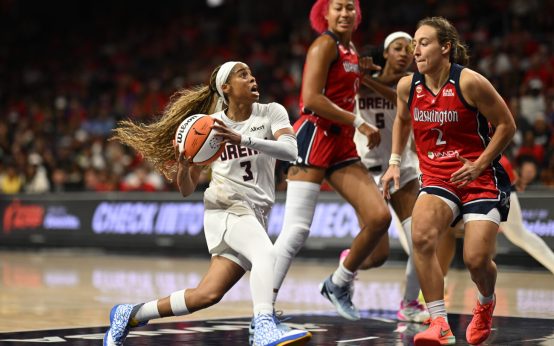 Atlanta Dream Defeats Washington Mystics to Advance in WNBA Playoffs
 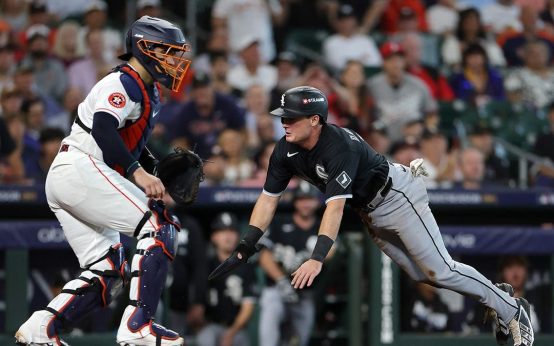 MLB Wild Card Series: Drama Unfolds