Republicans in Congress expressed their need for more information on the newly announced U.S.-Iran agreement by President Donald Trump. The deal aims to end the conflict in Iran, with a signing ceremony scheduled for Friday in Geneva. It includes reopening the Strait of Hormuz, ending the U.S. naval blockade, and offering financial incentives to Iran for meeting specific criteria.
Senate leaders from both parties returned to Washington expressing concerns about the lack of details. Senate Majority Leader John Thune stated, “I just don’t know enough about it,” indicating many lawmakers require thorough briefings before the agreement is finalized.
While congressional leaders and intelligence officials typically receive advanced briefings, Thune reported a lack of personal updates. Thune and other GOP senators, like Thom Tillis, voiced skepticism, questioning how compliance will be enforced. They await the public release of the agreement text, expected this week according to Vice President JD Vance.
Concerns also surfaced regarding the handling of Iran’s nuclear program. The deal involves a memorandum of understanding about possible sanctions relief, release of frozen funds, and a $300 billion rebuild fund. Senators seek clarity on the financial conditions tied to Iran’s nuclear activities.
Senator John Kennedy echoed skepticism, stating the necessity for strict inspection protocols to ensure Iran’s compliance. The Iran nuclear agreement review act requires U.S. agreements on nuclear material to be submitted to Congress; however, voting is not mandatory.
Senator Lindsey Graham expressed doubts and emphasized the need for Congress to review the memorandum. He urged not to rely solely on Iranian perspectives but to evaluate the agreement documents directly.
There is uncertainty about Congress voting on the deal. Some Republicans, like Senator Eric Schmitt, believe a vote may not be necessary, while others like Senator Ted Cruz appreciate Trump’s decisive actions against Iran’s nuclear ambitions.
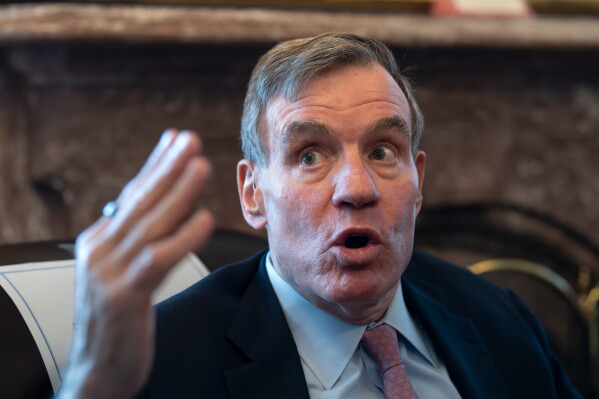
Democrats are asking what differentiates the deal from Obama’s 2015 agreement. Senator Mark Warner criticized its lack of international cooperation compared to the JCPOA. Senator Elizabeth Warren questioned the tangible benefits of the agreement, noting the costs in terms of finances and lives.
Senator Tim Kaine labeled the prospect of ending the war positively but seeks more information. The resolution is deemed favorable as it concludes a contentious conflict.
Contributors to the report include Michelle Price in Washington and Bill Barrow in Alpharetta, Georgia.
 New Jersey Voter Fraud Prompts Renewed Push for SAVE Act
  Concerns Over Changes to Voter-Registration Form for Americans Abroad
  Trump’s 2024 Campaign Targets Young Men Through Cryptocurrency
  Trump’s White House Visitor Center Proposal Gains Bipartisan Support
  State Department Simplifies Passport Process with Online Applications
  Becerra and Hilton Clash in California Gubernatorial Debate