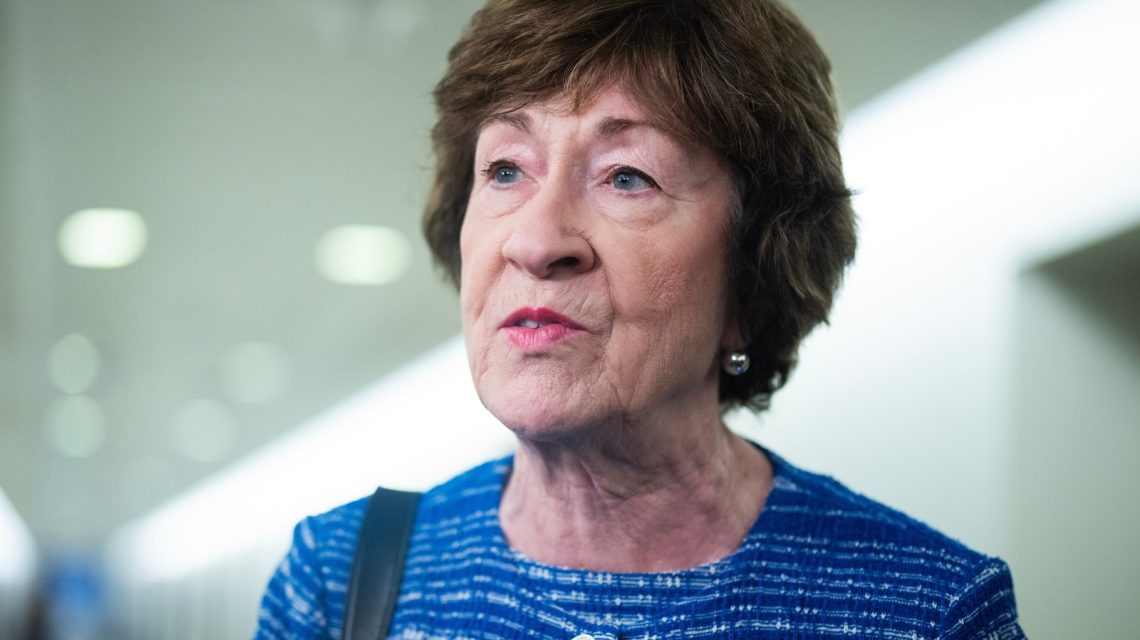
Economic Challenges for Senator Susan Collins
Senator Susan Collins of Maine is encountering significant difficulties in her pursuit of reelection due to steep rises in home heating oil prices. The price increase is occurring against the backdrop of the 2026 midterm elections. Collins, a Republican, is facing additional pressure as her party works to protect its legislative majority in Congress. Disruptions in the Strait of Hormuz tied to the Iran war are primarily responsible for the surge in oil prices.
Unique Challenges in Maine
Maine presents distinct challenges for Collins since over half of its residents depend on oil for heating, according to the Northeast Gas Association. Available data from the Maine Department of Energy Resources (DOER) highlights a statewide average price of $6.02 per gallon for heating oil, a significant jump from $3.33 a year earlier. These rising costs are especially impactful for conservative and rural areas, stretching financial burdens for residents as winter nears.
Mark Brewer, political science professor at the University of Maine, notes that high heating costs are consistently a concern in Maine, where the cold weather and lengthy winter amplify the issue. He expects heating expenses to be a major point in Collins’ campaign, requiring attention from candidates and voters alike.
Impact on Reelection Bid
The rising heating costs complicate Collins’ campaign against Democrat Troy Jackson, the previous Maine Senate president. While his prospects to win conservative regions are low, Jackson aims to reduce Collins’ voter margins by focusing on heating expenses. If voters associate the heating price hikes with President Trump’s administration, Collins risks sharing the blame, potentially impacting her support.
Public Standpoints
Troy Jackson’s campaign criticizes Collins for her alignment with Trump and her voting history, arguing that she has increased Mainers’ energy costs. Meanwhile, Collins has concentrated on securing federal support for programs like the Low-Income Home Energy Assistance Program (LIHEAP) to help alleviate energy costs for local households.
Maine Democratic spokesperson Misha Linnehan criticizes Collins for initially opposing War Powers Resolutions to limit Trump’s ability to conduct war. This criticism continued amidst Collins’ later support for resolutions regarding U.S. military actions.
Polling Dynamics
Various polls indicate a tightly contested race between Collins and Jackson. A New York Times poll shows Collins leading with a slight margin, while other polls show Jackson ahead due to his strong appeal to independent voters in Maine. The state’s difficult polling environment may lead to unexpected outcomes, similar to Collins’ previous election against Democrat Sara Gideon.
Prediction Markets and Implications
Prediction markets currently favor Troy Jackson, giving him a 61 percent chance of victory against Collins. These markets capture trader sentiment and reflect potential shifts in political dynamics as the elections approach. For Democrats, winning in Maine is crucial for securing a Senate majority amid challenging election conditions.
The outcome in Maine’s Senate race holds significant implications as Democrats strategize to win seats in Republican strongholds to flip control of the Senate.
Forecasters predict a competitive race in Maine this year, with both candidates working fervently to address voter concerns related to energy costs and broader political issues.
 Jean-Pierre’s Critique on Trump’s Messaging Echoes Her Time with Biden
 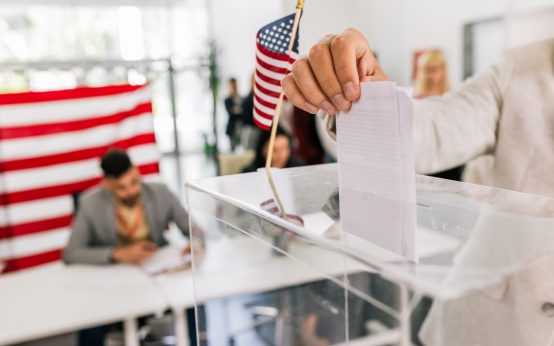 Voter Registration Deadlines and Requirements for Upcoming U.S. Midterm Elections
  Families Fight Trump Administration’s Ban on Medical Care for Trans Youth
 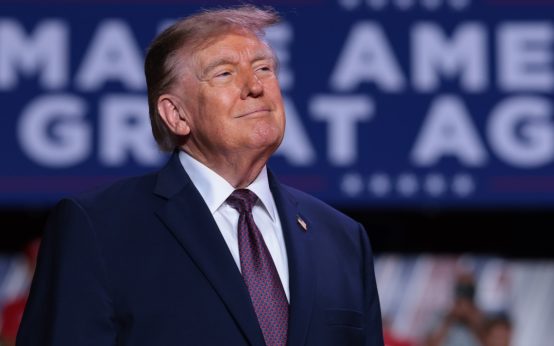 Trump Announces $100 Checks for Seniors to Aid Medicare Part B Premiums
 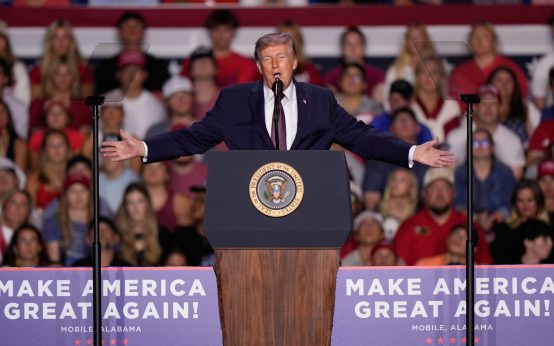 Trump Suggests His Name for Major Alabama Bridge Project
  California’s Challenges: Solutions Needed at State Level